Shose expert

15 Years Manufacturing Experience
DSC00533

How to Choose Casual Shoes for Men 7 Tips?

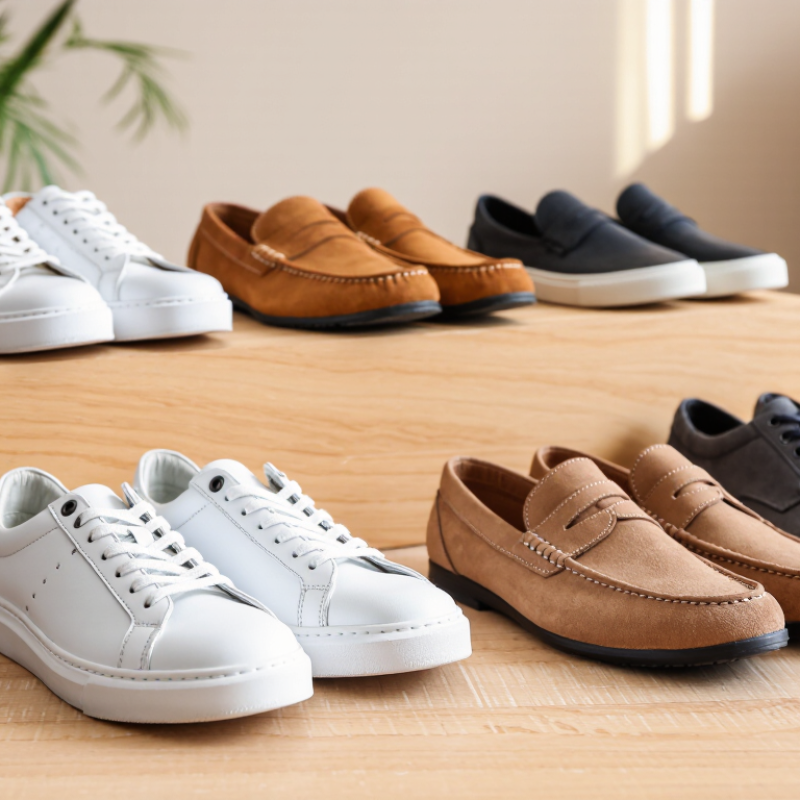
Choosing casual shoes should feel simple. Yet the wrong pair can pinch at the toes, slip at the heel, or look out of place with your everyday clothes. Casual Shoes For Men come in many forms, from clean leather sneakers to suede loafers and sturdy canvas styles. The best choice depends on fit, use, and the outfits you actually wear—not only what looks good in a product photo.

Shoe designer Christian Louboutin once said, “A shoe has so much more to offer than just to walk.” That idea fits everyday footwear well: comfort and appearance both matter. Still, a stylish pair is not automatically a practical one. Walk around the shop, check that your toes have room, and notice whether the sole bends comfortably. Small details count. So does the weather where you live.

This guide shares seven practical tips for choosing a pair you can wear often. It covers fit, materials, color, sole construction, versatility, and care, with simple checks you can use before buying. You will also see why matching shoes to your routine matters more than chasing every trend. One caveat: no checklist can replace trying shoes on, and sizing can vary between brands. I’d look twice at any pair that feels uncomfortable from the start. A little doubt is useful. Comfortable shoes should support your day, not ask you to endure them.
How to Choose Casual Shoes for Men 7 Tips?

Define the Occasion and Dress Code

Before choosing casual shoes, picture where you will wear them. A relaxed office may allow clean leather sneakers, while a client meeting might call for simple lace-ups. Check the dress code, not just the word “casual.” Some workplaces mean neat and understated; others allow denim and canvas shoes. When unsure, look at what people wear on an ordinary weekday.

Think about the whole outfit, too. Dark chinos and a collared shirt usually pair well with low-profile shoes in a neutral color. For a weekend walk, breathable fabric and a flexible sole may matter more than a polished finish. Small details count: scuffed toes can look out of place at dinner, while bulky soles may feel awkward under tailored trousers.

I once chose shoes that looked right in the mirror but felt stiff after an hour. Not my best call.

Try them on with the socks and trousers you expect to wear, then walk around for a few minutes. A dress code can guide your choice, but comfort still needs a real test.

Choose the Right Fit and Shoe Shape

A casual shoe should feel secure at the heel without squeezing the toes. Measure both feet while standing, since one may be slightly larger. Try shoes later in the day, when feet are often a little wider. Wear the socks you expect to use with them. Leave about a finger’s width of space in front of your longest toe.
Small detail. It matters.

Shoe shape should match your foot, not just your outfit. If your toes spread naturally, a narrow, pointed toe box may rub during a long walk. Look for a shape that follows your foot’s outline, with enough room to wiggle your toes.

Check the widest part of the shoe, too. It should sit near the widest part of your foot, rather than bending across your toes. Sizing charts can help, but they are not exact; different shapes can feel different in the same size.

Walk on a firm floor and notice whether your heel slips or your toes press forward. A little stiffness in a new shoe may ease, but painful pressure usually will not. Check the fit while standing, turning, and climbing a few stairs if possible. Don’t judge comfort from a quick glance in the mirror. It’s easy to overlook a tight spot when the shoe looks right.

Compare Materials, Construction, and Durability

When comparing casual shoes, look beyond the upper’s appearance. Full-grain leather often develops creases and a patina, while canvas feels light but can absorb stains. Synthetic uppers vary widely, so inspect seams, lining, and flex points rather than trusting the material label alone. Textile Exchange’s Materials Market Report 2024 estimates that polyester made up 57% of global fiber production in 2023. That figure describes the wider fiber market, not shoe lifespan. Small distinction, but an important one.

Construction tells you how parts may hold together. Check whether the sole is stitched, cemented, or molded onto the upper; each method can perform differently, and no method guarantees long wear. Press the heel counter, bend the forefoot, and look for loose threads around the eyelets. The World Footwear Yearbook 2024 estimates global footwear production at 22.4 billion pairs in 2023. High output says little about an individual shoe’s quality. I still misjudge this.

For durability, examine the outsole’s thickness and tread, especially under the heel and ball of the foot. A smooth, thin sole may feel flexible in a shop but wear quickly on rough pavement. Ask whether the insole can be replaced and whether the sole can be repaired; those details affect useful life. Try both shoes and walk on a hard floor. Listen for squeaks, notice pressure at the toes, and check that the heel does not slip. A tidy finish helps, but it is not a durability test.

How to Choose Casual Shoes for Men: 7 Tips — Compare Materials, Construction, and Durability

Tip What to Compare Common Options Durability Clues Practical Buying Tip
1. Choose the right upper material Feel, breathability, water resistance, and care requirements. Full-grain or suede leather; canvas; woven or knit textiles; synthetic materials. Look for even stitching, securely attached panels, and material suited to your usual weather. Leather can often be conditioned; canvas and many knits are usually lighter and more breathable. For frequent wear, choose a material you are willing to clean and maintain. Use a suitable protector when appropriate, following its care instructions.
2. Inspect how the sole is attached The connection between the upper and the outsole. Stitched, cemented (glued), or stitch-and-cement construction. Check that the sole sits evenly against the upper, with no visible gaps, loose threads, or peeling edges. Some stitched constructions may be easier to repair, depending on the shoe design. Do not judge construction by appearance alone. Ask whether the sole can be replaced and whether repairs are practical for that particular shoe.
3. Compare outsole materials Grip, flexibility, weight, and resistance to abrasion. Rubber; thermoplastic rubber (TPR); polyurethane (PU); leather. Rubber outsoles commonly offer useful grip and abrasion resistance. PU can be lightweight and cushioned. Leather soles may be less grippy on wet surfaces. Choose a tread pattern and material suited to your routes. For wet pavements, prioritize a well-defined tread and test the shoe on a safe surface.
4. Check stitching and finishing Seams, eyelets, lining, and edges around stress points. Single or reinforced stitching; metal or fabric-reinforced eyelets; padded or unpadded collars. Stitching should be consistent, without loose ends or skipped sections. Eyelets should feel secure, and the lining should not bunch or pull away. Inspect the heel, toe, lace area, and points where different materials meet; these areas often receive repeated flexing and friction.
5. Evaluate cushioning and support Midsole feel, heel stability, arch comfort, and overall flexibility. Foam or EVA midsoles; removable footbeds; flexible or firmer sole platforms. Cushioning should feel even from shoe to shoe, without obvious lumps or excessive compression. A stable heel counter can help the heel feel secure. Walk in the shoes for several minutes. Comfort and support are personal, so choose the pair that feels secure without painful pressure.
6. Get the fit and sizing right Toe room, width, heel hold, and fit with your usual socks. Different lasts and width options; lace-up, slip-on, or adjustable closures. A well-fitting shoe reduces rubbing and excessive movement, which can contribute to premature wear. Feet may swell during the day, so fit can vary by time. Try both shoes while standing and walking. Allow comfortable toe space, make sure the heel does not slip excessively, and avoid relying on painful “break-in” pressure.
7. Match the shoe to how you will wear it Expected use, climate, care needs, repairability, and total cost over time. Everyday walking; office-casual wear; travel; dry-weather or wet-weather use. Durability depends on materials, construction, fit, frequency of wear, and care. Rotating pairs and allowing shoes to dry between wears can help reduce moisture-related wear. Choose features for your actual routine rather than appearance alone. Check care guidance and repair options before buying, especially for a frequently worn pair.

Match Colors and Styles to Your Wardrobe

Casual shoes work best when they connect naturally with clothes you already wear. Look at your usual colors before choosing a pair: dark jeans, navy trousers, and charcoal chinos often suit brown, gray, or off-white shoes. If your wardrobe is mostly beige and olive, muted earth tones can feel more balanced than bright white. Small details matter. Match the shoe’s formality to your clothes, too. A clean, low-profile style pairs easily with a plain shirt, while a textured upper feels at home with denim or a casual jacket.

I’ve found it helpful to compare shoes with an outfit in daylight, since indoor lighting can make colors look warmer or cooler. Keep it simple. One subtle contrast, such as tan shoes with dark-blue jeans, can add interest without making the shoes dominate. If you often wear patterned shirts, choose a quieter shoe color so the outfit does not compete with itself. There is no perfect rule, though; I once favored a versatile gray pair that looked dull beside my lighter clothes. Think about your real weekly outfits, not just the best-looking item on the shelf.

How to Choose Casual Shoes for Men: 7 Tips to Match Colors and Styles to Your Wardrobe

Wardrobe-matching versatility guide (1 = limited, 5 = highly versatile). Ratings are practical style guidance, not survey results.

For easy outfit matching, start with neutral colors such as white, brown, or navy. Consider your usual clothing colors, the formality of your outfits, and where you plan to wear the shoes before choosing a style.

Check Comfort, Support, and Grip Before Buying

Casual shoes should feel comfortable before they look convincing. Try them on near the end of the day, when feet may be slightly larger. Wear the socks you expect to use, then walk for several minutes. Check for pinching at the toes, rubbing at the heel, or pressure across the instep. Your toes need room to spread, but your foot should not slide forward with every step. I once focused too much on appearance and ignored a small heel rub. It became annoying quickly.

Support should match your feet and routine, not a generic idea of “maximum cushioning.” The shoe should feel stable under your arch, without a hard edge pressing into it. Walk on a firm surface and notice whether your heel stays steady. If the sole folds easily through the middle, it may feel less supportive on longer walks. Still, a very stiff shoe is not automatically better. Comfort is personal, and a short fitting cannot predict every day of wear.

Grip matters on more than rainy sidewalks. Look at the outsole pattern, especially beneath the heel and ball of the foot. Press the sole against a clean, dry floor and take a few careful steps; avoid testing it on wet surfaces in a shop. The tread should feel secure, not slick. One detail I sometimes miss is how a sole wears down over time, so check whether its pattern is shallow from the start.