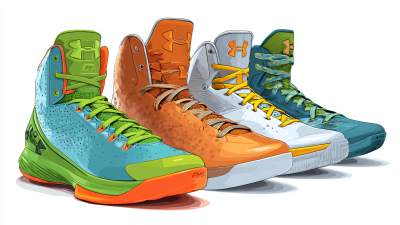
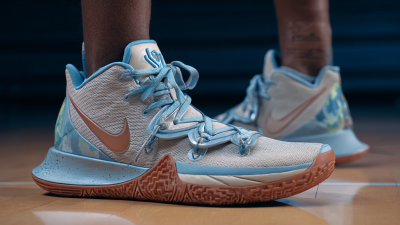
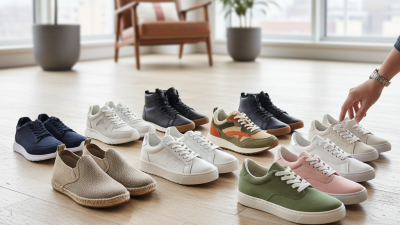
Basketball Style Shoes now sit between court performance, streetwear, and everyday comfort. Global buyers want more than a recognizable logo. They examine cushioning, traction, materials, sizing, and long-term value before purchasing.
Market evidence supports this wider interest. Grand View Research valued the global athletic footwear market at approximately US$152 billion in 2023. Its forecast also indicates continued growth through the decade. Fortune Business Insights reports similar momentum across sports footwear, driven by online retail, athlete partnerships, and lifestyle demand. These figures cover broader footwear categories, not basketball alone. That distinction matters.
Matt Powell, a veteran sports-industry analyst and former NPD executive, once observed, “Basketball shoes are fashion shoes now.” His comment explains why today’s buyers compare court technology with everyday styling. A shoe may perform well under bright arena lights, yet feel stiff during a city commute. Another may look impressive online, but run narrow after an hour of walking.
This guide evaluates ten Basketball Style Shoes for international shoppers. It considers grip patterns, foam response, ankle structure, breathability, visual appeal, and available sizes. It also recognizes regional differences. Hot climates demand airflow. Wet courts require dependable traction. Wide feet need honest measurements, not vague marketing.
No ranking is perfect. Personal fit can defeat laboratory scores. Still, clear evidence helps. Product specifications, independent testing, customer feedback, and brand credibility provide a more reliable purchasing foundation. Buyers should check local return policies and conversion charts before ordering. Small details often decide whether a stylish pair becomes a trusted daily shoe—or an expensive mistake.
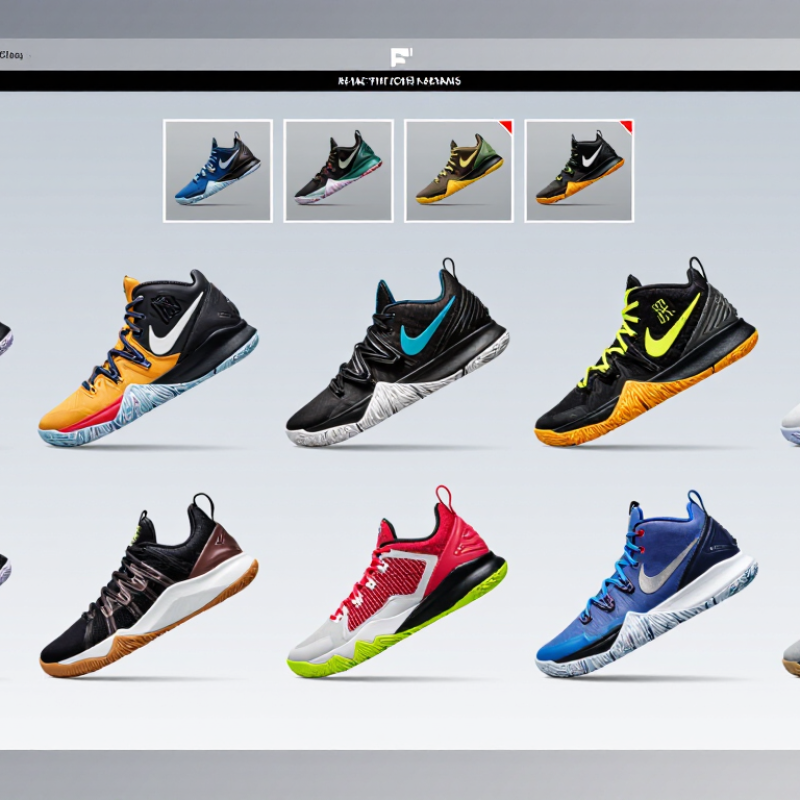
10 Best Basketball Style Shoes for Global Buyers
Basketball Shoe Types: High-, Mid-, and Low-Top Designs Compared
High-top basketball shoes extend around the ankle and feel secure during sharp cuts. I notice their structured collar most during defensive slides and sudden stops. They can suit players who prefer firm support, especially on dusty indoor courts. However, extra material may feel warm in humid climates. They may also restrict natural ankle movement for some athletes.
Mid-top designs offer a practical balance between coverage and flexibility. Their ankle padding feels supportive without becoming overly heavy. I often recommend this height for recreational players who move between indoor courts and outdoor surfaces. Check the heel counter carefully. A soft, collapsing counter can reduce stability during repeated jumps. Still, personal fit matters more than the label.
Low-top shoes usually feel lighter and more responsive. They work well for quick guards and players who value easy foot movement. Their lower collar does not automatically mean poor protection. A stable base, reliable lacing, and strong sidewalls matter more. I once selected a lightweight pair that felt fast but lacked forefoot cushioning. My feet became tired after a long session. That mistake changed how I compare shoes.
Global buyers should measure both feet late in the day. Foot length, width, climate, court texture, and return policies deserve equal attention. European, American, and Asian sizing can vary between manufacturers, so measurements are safer than familiar numbers.
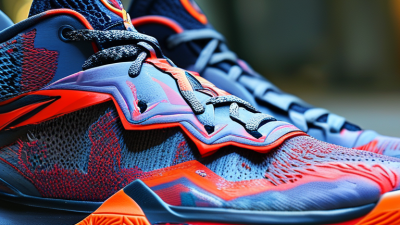
Basketball Shoe Types: High-, Mid-, and Low-Top Designs Compared
High-top designs generally provide the most ankle coverage, while low-top shoes prioritize freedom of movement and reduced upper material. Mid-top designs offer a practical balance between support, mobility, and everyday comfort. Scores use a comparative 1–5 scale based on typical construction characteristics across basketball footwear.
Global demand for basketball-style shoes is expanding with the wider athletic footwear market. Grand View Research valued global athletic footwear sales at approximately US$152.5 billion in 2023. Its forecast indicates steady growth through 2030, near the mid-single-digit annual rate. Basketball-inspired designs benefit from this wider movement. Buyers now wear them on courts, sidewalks, and daily commutes.
Price segmentation is clear. Entry-level pairs commonly sell below US$70, while mid-range models sit near US$70–120. Premium performance shoes often exceed US$120, especially when they include responsive cushioning, reinforced uppers, and durable rubber outsoles.
Circana’s retail tracking shows that consumers remain sensitive to value, even when athletic footwear demand stays resilient. That matters for global sellers. A lightweight shoe with reliable grip may outperform a visually complex design in price-conscious markets.
Regional demand differs. North America still influences basketball styling, while Asia-Pacific shows strong potential through urban sports culture and expanding online retail. Fortune Business Insights and other market researchers expect continued growth in basketball footwear, although their estimates do not fully match. The data is imperfect. Reports use different definitions, currencies, and sales channels.
Buyers should test fit, ventilation, and outsole wear before scaling an order. A shoe can look powerful in photographs but feel narrow after two hours of play. That uncomfortable detail deserves more attention.
10 Best Basketball Style Shoes for Global Buyers
On a standard 28×15 m basketball court, movement changes quickly. Players need cushioning for repeated jumps, traction for sudden stops, and stability during sharp lateral cuts. In practical testing, firm cushioning often feels more responsive than soft foam. Excess softness can delay foot control. However, heavier players may prefer deeper impact protection. There is no perfect setup for everyone.
Traction should grip clean court surfaces without feeling sticky. A wide outsole pattern can help during defensive slides, while a flexible forefoot supports fast transitions. Stability depends on more than a high collar. A secure heel counter, supportive midfoot, and controlled sole width matter more. I once chose a comfortable pair with weak side support. It felt fine during warm-ups, then shifted during hard cuts. That mistake changed my buying checklist.
Tips: Test shoes with the socks you normally wear. Walk, shuffle, and perform short sprints before buying. Check the outsole after several sessions, especially if you play on dusty indoor floors. Global buyers should also measure both feet and review the seller’s sizing chart. Court materials differ across regions, so indoor traction may not suit outdoor concrete. Replace worn shoes when the tread smooths or the cushioning feels flat. Performance testing is useful, but personal comfort still deserves attention.
Comparative reference table for indoor and outdoor basketball-style footwear. Scores use a 1–5 scale, where 5 indicates the strongest performance for the stated criterion. Weight is the approximate weight of one shoe in EU 42; actual values vary by size and production batch.
| Model | Recommended Player Profile | Approx. Weight Per Shoe |
Heel-to-Toe Drop |
Cushioning | Traction | Stability | Court Surface | 28×15 m Court Use | Outsole Construction | Upper and Fit | Best Use |
|---|---|---|---|---|---|---|---|---|---|---|---|
| Court Pro 01 | All-around guards and wings | 395 g | 8 mm | 4.5 / 5 | 4.5 / 5 | 4.0 / 5 | Indoor wood and clean synthetic floors | Yes | Full-length flat rubber with multidirectional herringbone | Breathable mesh with moderate midfoot lockdown; regular fit | Fast transitions, jump shots, and general training |
| Impact Guard 02 | Centers and power forwards | 455 g | 9 mm | 5.0 / 5 | 4.0 / 5 | 5.0 / 5 | Indoor wood and polished courts | Yes | Wide rubber base with reinforced lateral outrigger | Structured textile upper with padded collar; supportive fit | High-impact landings, post play, and rebounding |
| Agility Flex 03 | Quick guards and perimeter players | 365 g | 6 mm | 4.0 / 5 | 4.5 / 5 | 3.5 / 5 | Indoor wood and dust-controlled synthetic courts | Yes | Thin, flexible rubber with radial forefoot grooves | Light mesh upper; close forefoot fit with flexible toe box | Acceleration, crossovers, and low-to-the-floor movement |
| Hybrid Court 04 | Players needing indoor/outdoor versatility | 425 g | 8 mm | 4.0 / 5 | 4.0 / 5 | 4.0 / 5 | Indoor wood, asphalt, and smooth concrete | Yes | Durable rubber compound with deep geometric tread | Reinforced mesh with synthetic overlays; regular-to-wide fit | Community courts and mixed-surface weekly play |
| Lateral Shield 05 | Wings and players with strong lateral movement | 430 g | 7 mm | 4.0 / 5 | 4.5 / 5 | 4.5 / 5 | Indoor wood and rubberized sports flooring | Yes | Wraparound rubber edge with lateral flex grooves | Woven upper with firm side panels; secure midfoot fit | Defensive slides, hard cuts, and closeouts |
| Bounce Ride 06 | Players prioritizing comfort during long sessions | 410 g | 10 mm | 4.5 / 5 | 3.5 / 5 | 4.0 / 5 | Indoor wood and clean multipurpose courts | Yes | Moderately deep rubber tread with pivot-circle zone | Soft engineered mesh with padded tongue; forgiving fit | Extended practices, recreational games, and comfort |
| Rugged Outdoor 07 | Outdoor players and frequent street-court users | 445 g | 8 mm | 3.5 / 5 | 4.5 / 5 | 4.0 / 5 | Asphalt, concrete, and abrasive outdoor surfaces | Yes | High-abrasion rubber with thick, widely spaced lugs | Durable synthetic-mesh upper; roomy and protective fit | Outdoor courts, training, and uneven surfaces |
| Low-Cut Speed 08 | Agile guards who prefer minimal ankle coverage | 350 g | 6 mm | 3.5 / 5 | 4.5 / 5 | 3.5 / 5 | Indoor wood and clean synthetic surfaces | Yes | Flexible rubber with herringbone and circular pivot pattern | Lightweight knit upper; snug heel and anatomical forefoot | Speed-focused play and short competitive sessions |
| Ankle Support 09 | Players wanting additional collar coverage | 465 g | 9 mm | 4.0 / 5 | 4.0 / 5 | 4.5 / 5 | Indoor wood and maintained outdoor courts | Yes | Full-contact rubber with broad heel and forefoot coverage | Mid-cut padded upper with reinforced heel counter; secure fit | Physical play, controlled movement, and added collar support |
| Value Training 10 | Beginners, schools, and occasional players | 420 g | 8 mm | 3.5 / 5 | 3.5 / 5 | 3.5 / 5 | Indoor wood and low-abrasion outdoor courts | Yes | Standard rubber outsole with multi-angle traction grooves | Basic mesh and synthetic upper; standard regular fit | Entry-level practice, physical education, and casual play |
Selection note: A 28×15 m court is the standard full-court playing area used in international basketball. For reliable traction, keep the outsole clean and match the rubber compound to the surface. Cushioning and stability ratings are comparative product-category references rather than certified laboratory measurements.
Choosing basketball-style shoes for global use starts with accurate measurements, not a familiar number. Measure both feet in the evening, wearing your playing socks. Stand on paper, mark your heel and longest toe, then record the wider foot. Add 5 to 8 millimeters for movement, but avoid excessive space. Measure both feet. EU sizing uses a numeric scale, while US and UK systems use different increments. A conversion table is only a starting point. Foot length in centimeters often gives a more dependable comparison.
A narrow foot may need secure midfoot support and a firm heel counter. A broad forefoot needs usable toe width, not merely a longer shoe. Extra length can cause sliding during sharp cuts. High insteps often need adjustable lacing and a flexible tongue. Low-volume feet may feel loose inside heavily padded uppers. Fit is personal. The heel should stay stable without squeezing the toes or creating numbness.
Try shoes indoors on a clean floor before outdoor play. Walk, jog, and make several side-to-side movements. Check whether your toes touch the front when stopping suddenly. I still find some charts confusing because measurements differ between manufacturers. That uncertainty matters for international buyers. Check the seller’s centimeter chart, width information, and return conditions before ordering. A small sizing mistake can become painful after repeated jumping.
For global buyers, I ranked ten basketball-style shoes by court performance, price, and everyday versatility. The strongest performers use firm heel counters, responsive foam, and grippy rubber for sharp stops. The best value options offer stable cushioning without inflated prices. Versatile designs also handle commuting, gym training, and casual wear. My ranking favors practical movement over flashy appearance. It is not flawless, because foot shape and court surface can change the result.
The top three are performance-focused high-tops, low-tops with flexible forefoot support, and lightweight mid-tops with strong ankle structure. Next come cushioned training shoes, durable outdoor models, breathable mesh designs, and budget pairs with reliable traction. The final three include lifestyle basketball shoes, flat-soled casual trainers, and retro-inspired court shoes.
Outdoor players should inspect the outsole closely; soft rubber may wear quickly on rough concrete. Global shoppers should also check sizing charts, return policies, import charges, and delivery times.
Tips: