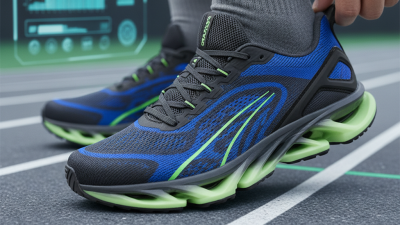
Choosing the right casual shoes for children involves more than color, branding, or a soft-looking upper. A reliable Casual Shoes Kid guide should examine fit, flexibility, stability, breathability, durability, and age-appropriate design. Children may run across playground gravel, climb metal steps, and sit cross-legged in classrooms. Their shoes must handle these changing demands without restricting natural movement.
Market evidence shows why this decision matters. Statista Market Insights places global children’s footwear revenue above US$50 billion in 2024, reflecting strong demand and wide product variety. Grand View Research also identifies comfort, lightweight construction, and durable materials as important growth factors. However, market popularity does not guarantee a suitable purchase. The American Academy of Pediatrics recommends checking toe room, heel security, and overall comfort during fitting. Small details matter. A cramped toe box can become obvious after a full school day.
Footwear researcher Dr. William A. Rossi wrote, “Shoes should be fitted to the feet, not the feet fitted to the shoes.” That principle remains practical today. Parents should measure both feet, let children walk indoors, and watch for slipping or pressure marks. Still, no guide can predict every child’s gait, activity level, or sensory preference. That is an important limitation. The best choice may not be the most fashionable one. This guide compares ten casual shoe options through a practical, evidence-informed lens, helping families balance comfort, safety, value, and everyday wear.
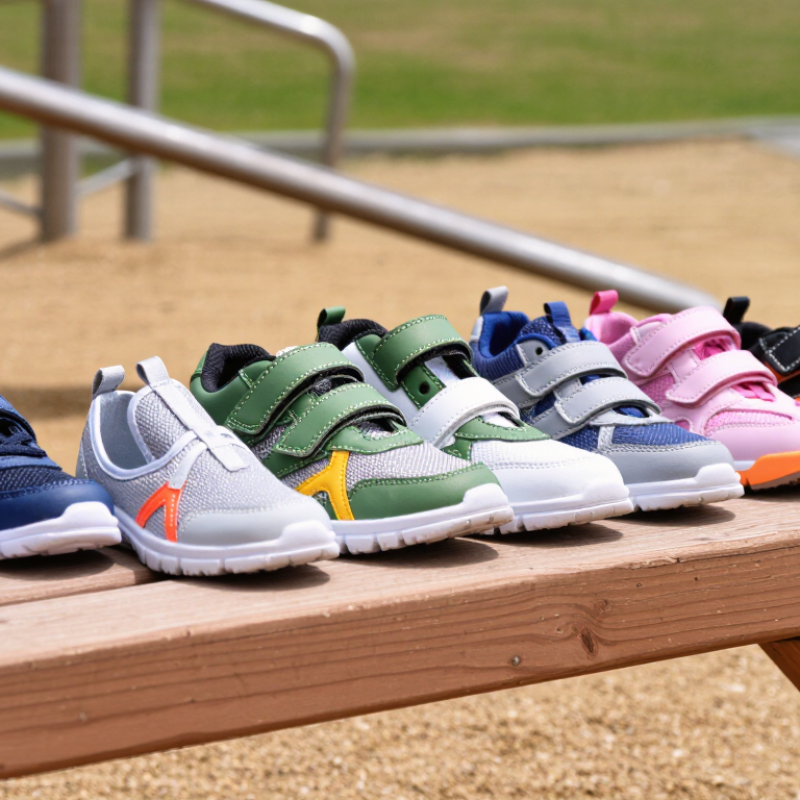
A quality casual shoe for kids should support movement without feeling stiff or heavy. In my experience, children walk, climb, and kneel more than adults expect. Their shoes must handle constant changes in direction. A flexible sole should bend near the toes, not through the middle. The upper should feel soft, but it should not collapse around the foot. Breathable fabric can reduce sweaty discomfort during school or outdoor play.
Fit matters more than decoration. Measure both feet while the child is standing, because one foot may be larger. Leave roughly a thumb’s width in front of the longest toe. The heel should stay secure without rubbing. Wide, adjustable fasteners help children with different foot shapes. Check the inside carefully. Rough seams, hard edges, and loose threads can cause irritation quickly. A slip-resistant outsole is useful on smooth floors, although no tread prevents every fall.
Parents should inspect the shoes after several weeks, not only when they look dirty. Watch for uneven sole wear, bent heel counters, or toes pressing against the upper. I once chose a lightweight pair that looked practical, but its heel slipped during running. That mistake reminded me that softness alone is not quality. Children also need shoes they can manage independently. A simple fastening system encourages that skill, though very young children may still need help. Some fitting advice is easy to oversimplify; comfort, foot shape, activity, and daily wear must be judged together.
| No. | Casual Shoe Type | Recommended Age or Stage | Best Everyday Use | Upper Material | Outsole Characteristics | Closure Type | Typical Weight per Shoe | Flexibility | Key Quality Features | Fit and Buying Notes |
|---|---|---|---|---|---|---|---|---|---|---|
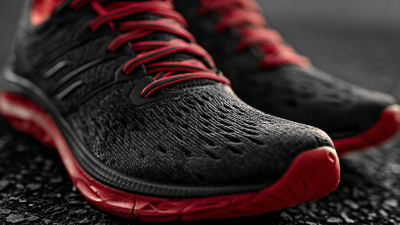
| 1 | Lightweight Mesh Trainer | Walking children to early school years | School, playgrounds, errands, and daily walking | Breathable textile mesh with synthetic reinforcement | Light rubber or rubber-like sole with multidirectional tread | Hook-and-loop strap or elastic laces | Approximately 150–250 g in a child’s size | High; bends near the ball of the foot | ✓ Breathability, padded collar, secure heel, flexible forefoot, non-marking outsole | Leave about 10–12 mm of growing room; check that the heel does not lift during walking. |
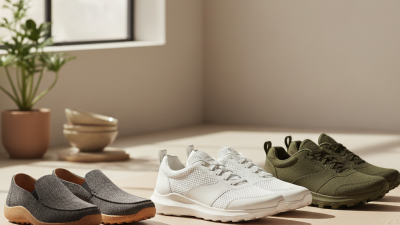
| 2 | Canvas Slip-On | Confident walkers and school-age children | Indoor activities, casual outings, and dry-weather wear | Cotton or synthetic canvas | Flat rubber sole with textured traction pattern | Elastic side panels or stretch opening | Approximately 170–280 g in a child’s size | Moderate to high | ✓ Easy entry, reinforced toe, stitched sole, washable or wipe-clean surface | Best for average-width feet; avoid a loose opening that allows the foot to slide forward. |
| 3 | Low-Top Everyday Sneaker | Preschool through primary school | All-purpose school and leisure wear | Textile, synthetic leather, or a combination upper | Rubber outsole with heel-to-toe contact and moderate grip | Hook-and-loop straps, elastic laces, or traditional laces | Approximately 200–320 g in a child’s size | Moderate | ✓ Stable heel counter, cushioned insole, breathable lining, abrasion-resistant toe area | Choose a closure the child can use independently; the shoe should hold the midfoot without squeezing it. |
| 4 | Flexible Knit Casual Shoe | School-age children with established walking patterns | Warm-weather commuting and relaxed daily activities | Stretch knit textile with supportive overlays | Lightweight rubber outsole with shallow flex grooves | Elastic laces with a strap or stretch opening | Approximately 140–230 g in a child’s size | Very high | ✓ Low weight, smooth interior, adequate heel support, breathable construction | Make sure the flexible upper does not collapse under the sides of the foot or allow excessive movement. |
| 5 | Padded High-Top Casual Shoe | School-age children needing extra ankle coverage | Cool-weather casual wear and light outdoor play | Synthetic leather, canvas, or textile with padded lining | Rubber outsole with deeper edge traction | Laces, side zipper, or hook-and-loop strap | Approximately 260–400 g in a child’s size | Moderate | ✓ Padded collar, smooth ankle lining, firm heel counter, flexible sole beneath the forefoot | Do not use stiffness as a substitute for fit; the ankle area should be comfortable and never restrictive. |
| 6 | Water-Resistant Casual Sneaker | School-age children in variable weather | Light rain, damp sidewalks, and everyday commuting | Coated textile or synthetic upper with sealed or covered seams | Rubber outsole with wet-surface tread | Hook-and-loop straps, elastic laces, or standard laces | Approximately 230–360 g in a child’s size | Moderate | ✓ Water-resistant finish, moisture-managing lining, protected toe, slip-resistant tread | Water-resistant shoes are not necessarily waterproof; dry them naturally and avoid prolonged soaking. |
| 7 | Breathable Knit Slip-On | Older preschoolers and school-age children | Travel, indoor use, and warm-weather outings | Breathable knit or mesh textile | Flexible rubber outsole with rounded edges | Stretch collar or elastic gore panels | Approximately 130–220 g in a child’s size | High | ✓ Ventilation, removable insole, secure heel, reinforced sole attachment | Check that the opening is snug but not tight; this style should not slip off when the child climbs stairs. |
| 8 | Cushioned Walking Shoe | Children who walk or stand for long periods | Long school days, family outings, and city walking | Mesh or textile upper with synthetic support panels | Rubber outsole with shock-absorbing midsole material | Laces, elastic laces, or adjustable straps | Approximately 220–350 g in a child’s size | Moderate to high | ✓ Even cushioning, stable base, breathable lining, flex point aligned with the toes | Cushioning should feel supportive rather than excessively soft; compare both feet while standing. |
| 9 | Wide-Toe Casual Shoe | Children with broad forefeet or naturally splayed toes | Daily wear when toe comfort is a priority | Soft textile, leather-like synthetic, or flexible mesh | Flat-to-moderate profile rubber outsole with broad contact area | Adjustable straps, elastic laces, or laces | Approximately 180–320 g in a child’s size | High | ✓ Anatomical toe shape, non-binding upper, adjustable instep, secure heel fit | Toes should be able to move freely; extra width should not create heel slipping or side-to-side movement. |
| 10 | Washable School Casual Shoe | Preschool and primary school children | Messy play, school routines, and frequent everyday use | Quick-drying textile or washable synthetic material | Durable rubber outsole with reinforced toe and heel areas | Hook-and-loop straps or elastic laces | Approximately 180–310 g in a child’s size | Moderate to high | ✓ Removable insole, secure stitching, odor-reducing lining, easy-clean construction | Follow the care instructions; shoes should dry completely between uses to reduce moisture and odor buildup. |