Best Safety Shoes for Men What to Look for Before Buying?
When it comes to choosing the right safety shoes for men, several factors come into play. The world of safety footwear can be overwhelming, with countless options available. It's essential to understand what makes a pair of shoes the best choice for your needs. Comfort, durability, and protection levels are vital aspects to consider.
These shoes should protect against various workplace hazards. Look for features like slip resistance and steel-toe designs. Often, overlooked details make a difference. Are the shoes breathable? Do they fit well? These questions matter more than you might think.
Buying safety shoes for men is not just about style; it's about functionality and safety. Investing in quality footwear can prevent injuries and enhance productivity. Remember, the right pair supports you through long shifts. Take your time assessing options, as haste can lead to poor choices. Prioritize your safety without compromising on comfort.
Factors to Consider When Choosing Safety Shoes for Men
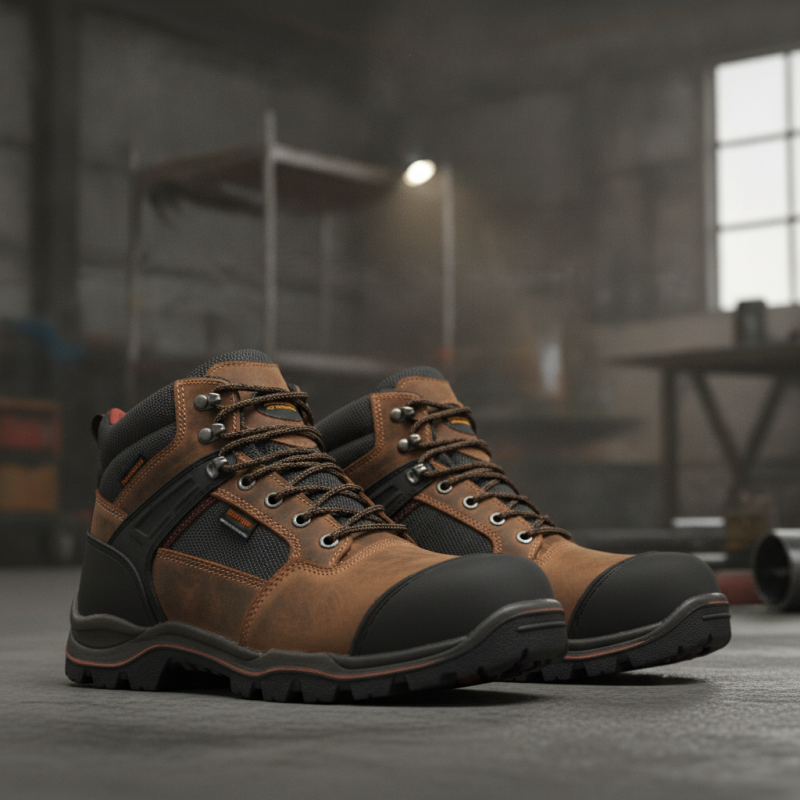
When selecting safety shoes for men, various factors play a crucial role. Comfort is paramount. A shoe that fits well prevents fatigue during long hours on the job. Look for shoes with adequate cushioning and arch support. Breathable materials are also essential. They keep feet dry and comfortable, especially in warm environments.
Durability is another key factor. Safety shoes should withstand daily wear and tear. Check for reinforced toes and high-quality materials. Slip resistance is vital for preventing falls. A good tread pattern enhances traction on different surfaces. Ensure the shoes meet relevant safety standards for your specific work environment.
**Tips:** Always try shoes on at the end of the day. Your feet may swell, and a snug fit then will be more comfortable. Don't forget to replace old shoes. Worn-out safety shoes can compromise protection. Consider your work environment. Different settings may require specific features, such as waterproofing or electrical hazard protection. Make informed choices; it's not just about style, but safety.
Best Safety Shoes for Men: Key Features to Consider
Types of Safety Shoes and Their Specific Uses
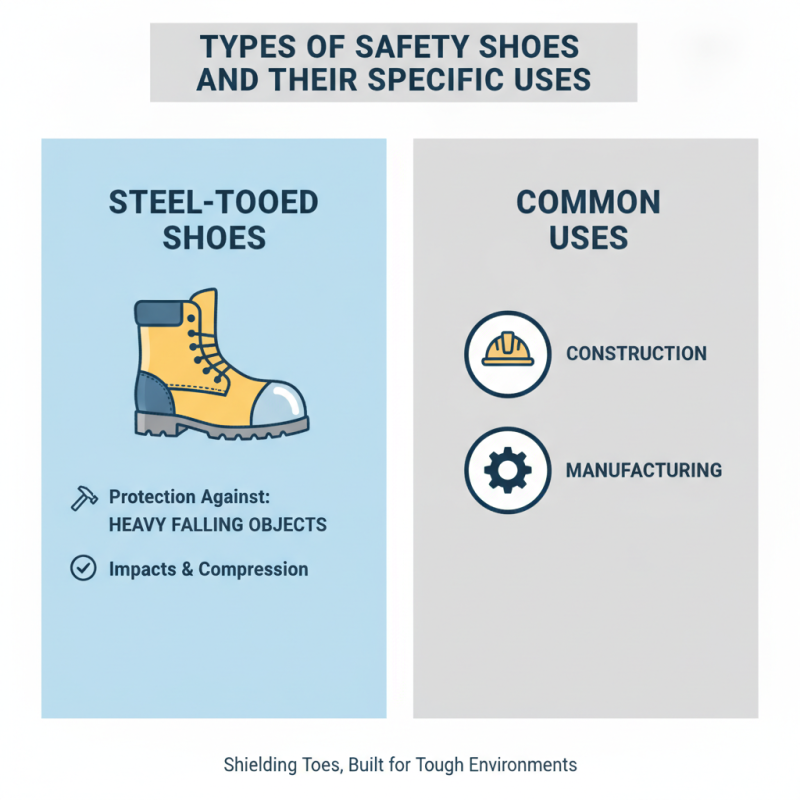
When choosing the right safety shoes, it's essential to understand the types available and their specific uses. Steel-toed shoes are a classic choice. They offer great protection against heavy falling objects. These are common in construction and manufacturing settings. They are not just sturdy; they also shield toes from impacts and compression.
Slip-resistant shoes are vital for those in wet or slippery environments. Workers in restaurants or warehouses can benefit from these. The outsole is designed to provide extra grip. This feature helps prevent workplace accidents. Additionally, electrical hazard shoes are crucial for those working with tools or in environments with live wires. They are designed to prevent electric shock, adding a layer of safety.
There is also a growing trend towards composite-toe shoes. These are lighter than steel-toed options and can be just as protective. They avoid metal detectors, making them suitable for certain jobs. However, users might question their durability when compared to steel options. Finding the balance between comfort and safety can be challenging. Trying on different styles helps ensure the right fit and function for the job.
Key Safety Features to Look For in Men’s Footwear
When choosing safety shoes for men, focus on essential features. A sturdy toe cap is vital. Steel or composite options provide excellent protection. This shield will keep your feet safe from heavy objects. Consider slip-resistant soles. They are crucial for reducing the risk of falls. Look for outsoles that grip well on various surfaces.
Breathability is another important factor. Feet can get hot and sweaty, leading to discomfort. Choose shoes with breathable materials for improved airflow. Comfort is key during long work hours. Look for cushioned insoles that support your feet. A shoe that fits well reduces fatigue and promotes better posture. Don't overlook the weight of the shoes, either. Heavy shoes can slow you down.
Pay attention to adjustable features. Laces or straps should allow a customized fit. A poor fit can lead to blisters and other foot issues. Regularly assess the condition of your safety shoes for wear and tear. Even the best shoes require care and replacement over time. This helps maintain their protective qualities and overall comfort.
Comfort and Fit: Importance in Safety Shoe Selection
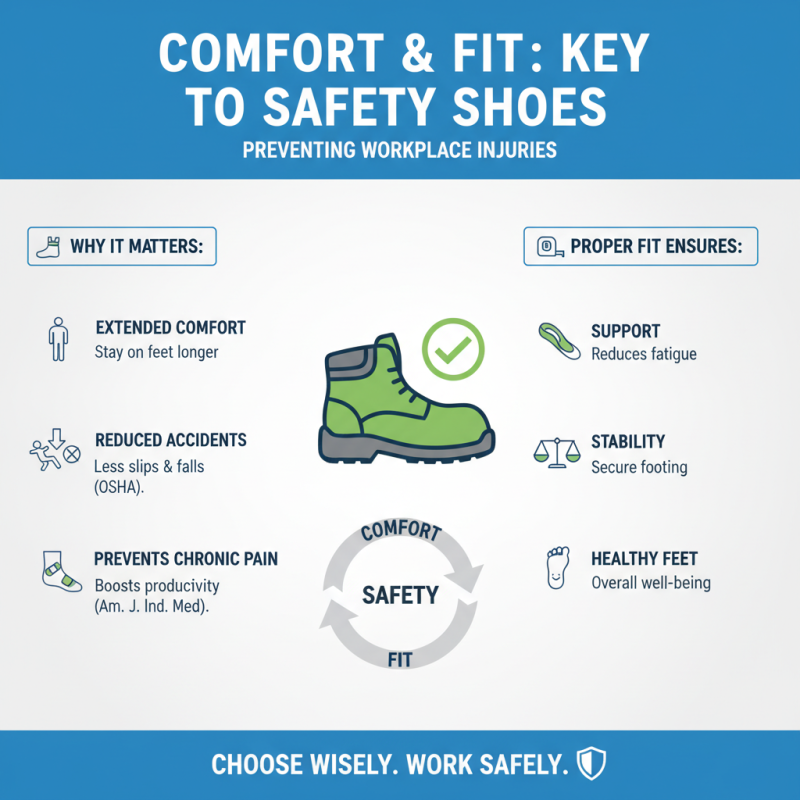
When selecting safety shoes, comfort and fit are crucial. A proper fit ensures the wearer can stay on their feet for extended periods without discomfort. According to the Occupational Safety and Health Administration (OSHA), foot injuries account for a significant portion of workplace incidents. Shoes that lack comfort can lead to slips and falls, increasing the risk of injuries. A study by the American Journal of Industrial Medicine highlights that ill-fitting shoes can cause chronic pain, affecting overall productivity.
Invest in shoes with adjustable features. Look for models with cushioning and arch support. These elements greatly affect comfort. A comfortable shoe can enhance foot stability, reducing the chance of fatigue. Pay attention to heel height and toe room. Shoes that are too tight can lead to blisters, while overly loose options may lead to accidents.
Tip: Always try on safety shoes at the end of the day when your feet are slightly swollen. This helps ensure a better fit. Give yourself time to walk around, as this can reveal potential issues. If you have specific foot conditions, consider consulting a specialist. They can recommend the right footwear options tailored to your needs.
Maintenance Tips for Prolonging the Life of Safety Shoes
Proper maintenance of safety shoes extends their lifespan significantly. Regular cleaning is essential. Remove dirt and debris after each use. Use a damp cloth for gentle cleaning. Avoid harsh chemicals that might damage the material.
Inspect your shoes frequently. Look for signs of wear on the soles and upper parts. Replace laces if they fray. Replacing worn-out insoles can also improve comfort. Ignoring these details may lead to injuries on the job.
Store safety shoes in a cool, dry place. Avoid direct sunlight, which can degrade materials over time. Keeping shoes organized prevents accidental damage. Reflecting on your maintenance habits can reveal areas needing improvement. Consistent care not only ensures safety but also enhances comfort during long hours of work.
Best Safety Shoes for Men What to Look for Before Buying? - Maintenance Tips for Prolonging the Life of Safety Shoes
| Feature |
Description |
Maintenance Tips |
| Steel Toe Cap |
Provides maximum protection against impact and compression. |
Inspect regularly for dents or corrosion, clean after use. |
| Slip Resistance |
Reduces the risk of slips, falls, and workplace accidents. |
Keep soles clean and free of debris, replace if worn smooth. |
| Waterproofing |
Keeps feet dry in wet conditions. |
Apply waterproofing spray periodically, dry properly after use. |
| Lightweight Design |
Enhances comfort for long hours of use. |
Store in a breathable area, avoid excessive strain. |
| Breathability |
Prevents overheating and moisture buildup inside the shoe. |
Air out after use, clean and dry insoles regularly. |