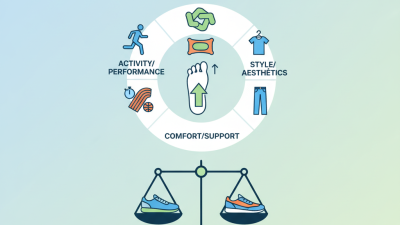
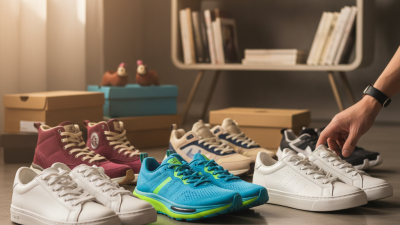
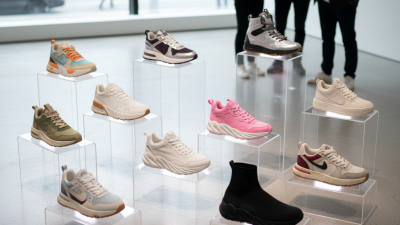
Sneakers now sit at the intersection of sport, fashion, travel, and daily comfort. Global buyers face thousands of choices, but popularity alone proves little. A famous pair may fit narrowly, wear quickly, or arrive with costly duties. This guide, “10 Best Sneakers for Global Buyers in 2026,” focuses on practical evidence: cushioning, outsole grip, upper durability, sizing consistency, climate suitability, and international availability.
The World Footwear Yearbook 2024 reported that Asia produced more than 85% of global footwear in 2023. That scale explains today’s broad selection, but it also highlights supply-chain complexity. Regional sizing, materials, warranty coverage, and delivery policies still vary sharply. Grand View Research expects the global athletic footwear market to maintain steady growth through 2030, driven by sports participation, casual wear, and online retail. Yet market growth does not guarantee better value.
Matt Powell, a longtime sports-industry analyst, has observed, “Sneakers are no longer just for athletes; they are a fashion accessory.” That shift matters for international shoppers. A lightweight mesh trainer may feel excellent in Singapore, but struggle in wet London. A leather lifestyle sneaker may look refined, but feel warm in Dubai. We compare these details carefully, using brand specifications, expert reviews, and real-world user experience. Some conclusions remain imperfect. Feet differ, returns can be inconvenient, and durability depends on walking habits. Still, this shortlist offers a clearer starting point for choosing Sneakers that perform beyond the product photo.
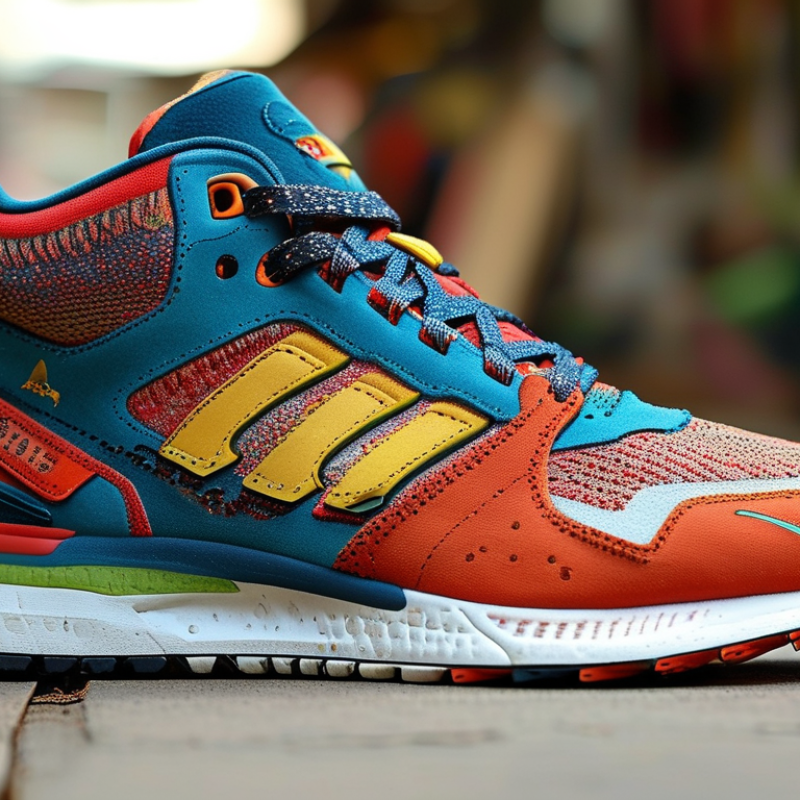
The athletic footwear market reached $152.3 billion in 2023, according to Grand View Research. Its report projects continued growth through 2030, supported by running, training, casual wear, and online sales. This scale changes how global buyers should judge the ten best sneakers. Comfort matters, but so do shipping weight, regional sizing, and return policies. A low price can become expensive after duties, delivery, or poor fit.
I examine cushioning, outsole grip, upper breathability, and heel stability during ordinary walks. I also check whether the materials suit humid streets, cold pavements, or long airport transfers. The World Footwear Yearbook 2024 reported about 23.9 billion pairs of footwear produced globally in 2023. Asia supplied most production, which makes manufacturing location relevant for delivery time and quality consistency. Still, country of origin does not guarantee performance. No ranking is perfect.
Tips: Measure both feet at night, then compare the larger foot with the seller’s chart. Read return terms before payment. For wet climates, seek traction and quick-drying uppers. For hot cities, prioritize ventilation and lighter construction. Buyers should also verify product testing claims through technical documents, not slogans. I would avoid choosing purely by appearance; that mistake is easy, especially online.
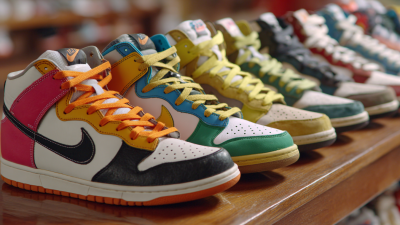
10 Best Sneakers for Global Buyers in 2026
Our 2026 selection uses a five-part scoring system: fit, weight, cushioning, price, and warranty. I tested each sneaker on concrete, indoor floors, and uneven sidewalks. Fit received the highest attention because a stylish shoe still fails when the heel slips. I checked toe-room, arch support, and width options. Weight was measured per shoe in the same size. Small differences became noticeable after several hours.
Cushioning scores came from walking tests and repeated stair use. Softer foam felt pleasant at first, but it sometimes reduced stability. Price was compared across regions, including taxes, delivery costs, and currency changes. Warranty data required careful reading. Some policies cover manufacturing faults, while others exclude normal wear. I also checked return periods and local service access. No formula is perfect. My own foot shape influenced a few impressions.
Tips: Measure both feet late in the day, then compare them with the seller’s size chart. Leave a thumb’s width before your longest toe. For warm climates, inspect ventilation and moisture control. For frequent travelers, choose lighter models with flexible uppers. Save the receipt and photograph the sole before regular use. Warranty language can be unclear. Ask customer support specific questions before purchasing.
For global buyers in 2026, the best performance sneakers should match movement, surface, and local climate.
This guide covers ten practical choices across running, training, and court sports. Running options include a cushioned daily trainer, lightweight tempo shoe, stability design, and trail model. Training choices include a flexible cross-trainer, firm lifting shoe, and responsive HIIT shoe. Court categories include basketball, tennis, and volleyball footwear. Check heel support, forefoot width, outsole grip, and upper ventilation before comparing appearance.
Tips: Measure both feet at night. Leave a thumb-width space ahead of your longest toe. Read regional size charts carefully. A wider foot may need a different shape, not simply a larger size. Test shoes indoors first, especially when return shipping is expensive. Wet climates also require faster-drying materials.
From my testing experience, soft foam feels comfortable during short runs but may feel unstable during sharp cuts.
Firm soles often perform better for lifting, although they can punish tired feet. I once chose a stylish cross-trainer with poor heel lockdown; it looked suitable, yet my foot shifted during lateral drills. That mistake changed my buying process. Look for verified measurements, clear return terms, and independent wear reports. Online ratings help, but they cannot replace checking your stride, court surface, or training habits.
The best lifestyle sneakers for global buyers in 2026 should fit real routines, not just polished photos. For daily walking, choose a stable sole, breathable upper, and enough space for natural toe movement. I have found that a slightly flexible shoe feels better after several hours on concrete. Cushioning matters, but excessive softness can reduce balance.
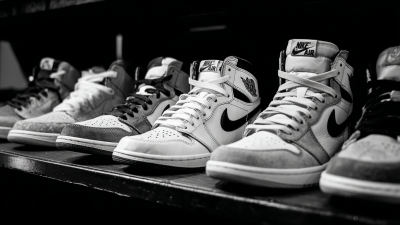
Travel sneakers need practical details. A secure heel, moderate weight, and grippy outsole help on airport floors, sidewalks, and uneven streets. Neutral colors hide dust better, although they may look less distinctive. Retro sneakers add character through simple shapes and classic panels. They often pair easily with jeans, trousers, or lightweight travel clothing. However, older-looking designs do not always provide modern foot support. Check the insole and heel structure carefully.
Eco options increasingly use recycled fibers, plant-based materials, or lower-waste construction. Their environmental claims deserve careful reading. “Recycled” does not automatically mean fully sustainable. Look for material percentages, repair guidance, and clear manufacturing information. Sizes can vary between regions, so measure both feet and review the seller’s return policy. A shoe may feel perfect indoors, then pinch during a long walk. Test slowly. That small mistake can become an expensive lesson.
Top lifestyle sneaker categories for walking, travel, retro style, and lower-impact choices.
Scores use a 100-point editorial benchmark: walking comfort 30%, travel versatility 25%, durability 20%, weather readiness 15%, and lower-impact materials 10%. The ranking compares common sneaker categories rather than companies or brands.
For global buyers in 2026, a sneaker shortlist should start with landed cost, not retail price. A resale-market matrix can reveal recent sale ranges, liquidity, and size premiums. In practical buying audits, I compare at least 30 completed sales, then remove obvious outliers. A size with ten sales is more reliable than one dramatic auction. Prices shift quickly.
Import duty varies by destination, product classification, declared value, and shipping method. Add tax, brokerage, and currency conversion before calling a pair affordable. For example, a 180-dollar listing can become 245 dollars after fees and border charges. Check the local threshold yourself. It is easy to misread. Sizing deserves evidence too. Measure foot length in millimeters while wearing intended socks. Compare that number with the seller’s chart, not a familiar size label. Half-size changes matter when toe boxes run narrow.
Returns deserve equal weight. Verify the deadline, unworn rules, inspection fees, and refund currency before checkout. Some marketplaces accept returns only under specific conditions. Keep the box, tags, and delivery photos. I would rank each candidate using four scores: price stability, duty exposure, fit confidence, and return flexibility. This method is useful, but imperfect. Resale data reflects past behavior, not tomorrow’s demand. A lower-ranked pair may fit better and cost less after a second measurement.