Best Winter Shoes for Global Buyers to Stay Warm This Season?
As winter approaches, finding the right footwear becomes essential for staying warm and comfortable. The global winter shoes market is projected to reach $40 billion by 2025, according to a report from Market Research Future. This statistic highlights the increasing demand for high-quality winter shoes designed to withstand harsh temperatures and icy conditions.
"Investing in quality winter shoes is crucial for both warmth and safety," says Dr. James Parker, an industry expert in cold-weather footwear. He emphasizes that choosing the right pair can make a significant difference. It’s not just about style; functionality is key. Details like insulation, waterproof materials, and traction can impact everyday activities during winter months.
Consumers are encouraged to consider local conditions when selecting winter shoes. While some might prioritize fashion, others need durability and warmth. The market offers a variety of options, but buyers should reflect on their specific needs. Choosing winter shoes is not just a simple decision; it's a commitment to comfort and protection against the elements.
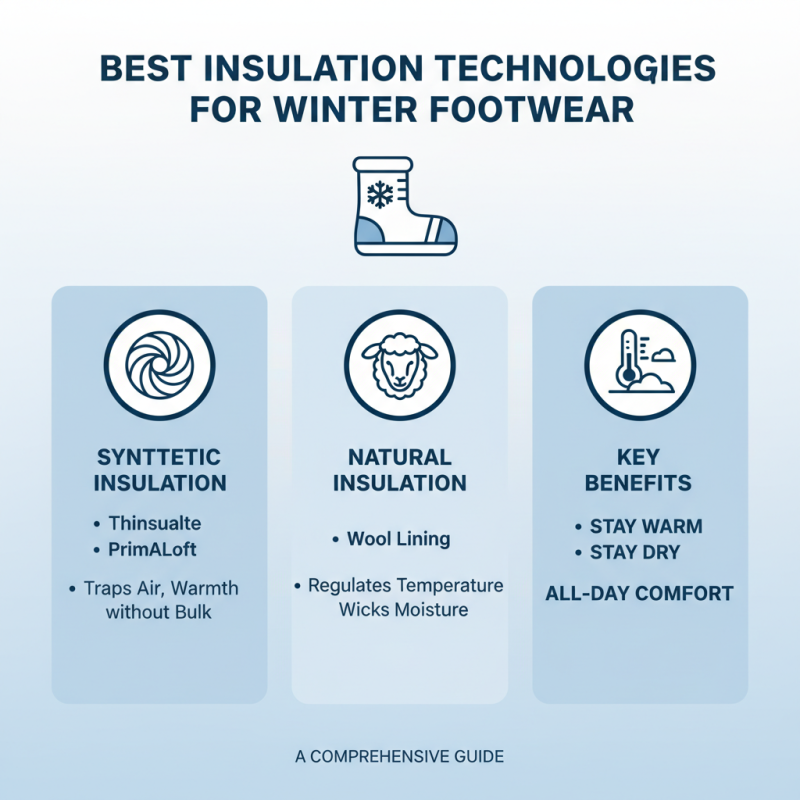
Best Insulation Technologies for Winter Footwear: A Comprehensive Guide
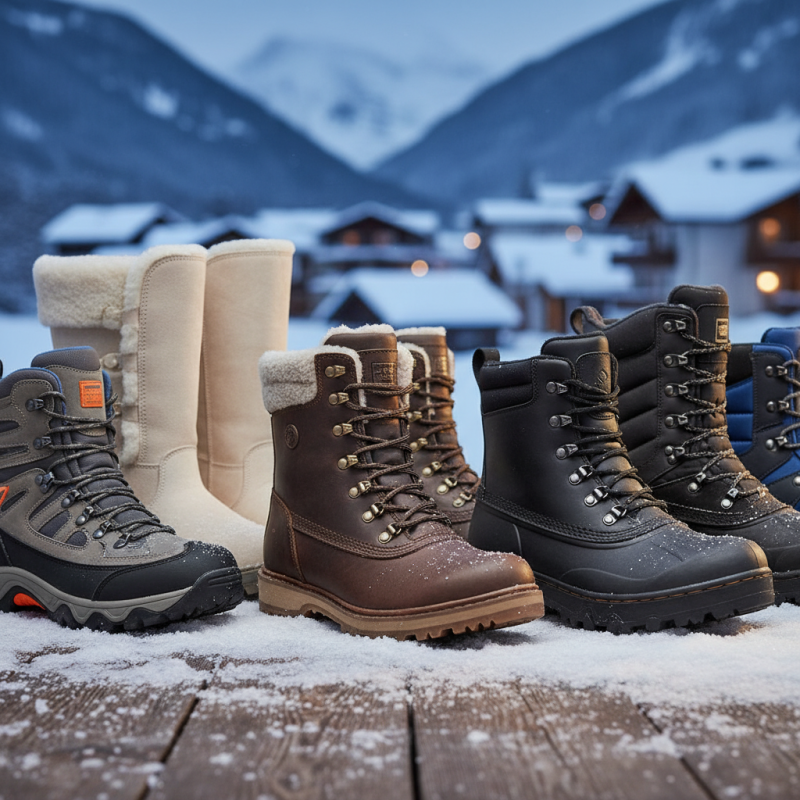
When choosing winter footwear, insulation is key to staying warm. There are several technologies to consider. Thinsulate and PrimaLoft are popular options. These synthetic insulations trap air effectively, providing warmth without bulk. Wool lining is another great choice for natural insulation. It regulates temperature and wicks away moisture.
**Tips**: Always check the insulation's thickness. Thicker isn't always better. Balance warmth with style. Waterproof materials can enhance comfort as well.
Air pockets can make a big difference. Look for shoes that offer a breathable membrane. This way, you avoid sweaty feet in cold conditions. Keep in mind that fit matters. Properly fitted shoes can retain heat better. Try them on with winter socks for a more accurate feel.
Remember, not all insulation performs the same in harsh weather. Research and ask experts about the best options. Consider your specific needs, whether for hiking or daily wear. Don't overlook the importance of traction. Slip-resistant soles are essential on icy surfaces. Finding the right pair might take time and reflection, but it’s worth it for comfort and safety.
Top Materials for Winter Shoes: Breathability vs. Waterproofing Explained
When selecting winter shoes, two key factors stand out:
breathability and waterproofing.
Breathability ensures moisture escapes, keeping feet dry and comfortable.
Reports indicate that footwear with higher breathability reduces sweat by up to 30%.
In winter, when temperatures drop, moisture control becomes essential.
Without proper ventilation, cold air can worsen damp conditions, leading to discomfort.
On the other hand, waterproofing is crucial in snowy or wet environments.
Shoes with effective waterproof materials can keep feet dry even in heavy rain.
According to industry studies, nearly 70% of buyers prioritize waterproof features in winter footwear.
However, excessive waterproofing can reduce breathability. Those who focus solely on waterproofing may find their feet sweat more,
which can lead to chilliness effect.
It's essential to find a balance.
Shoes that integrate advanced technologies often combine both features, yet they can be pricey.
Consumers sometimes overlook essential fabric types, such as Gore-Tex or Thinsulate,
believing all materials provide equal protection.
This misconception can lead to choosing the wrong shoes and facing chilly discomfort.
Exploring materials and understanding their properties helps in making informed choices for winter footwear.
Consumer Buying Trends for Winter Footwear: What Global Shoppers Prefer
As winter approaches, consumer preferences for footwear reflect the desire for warmth and comfort. According to industry reports, global shoppers show a growing affinity for insulated and waterproof materials. A study by Footwear Insight reveals that over 70% of consumers prioritize thermal insulation when purchasing winter shoes. This highlights the need for buyers to focus on functionality without sacrificing style.
Tips: Look for shoes featuring advanced insulation technologies. Materials like Thinsulate and Gore-Tex can offer significant benefits. Ensure that the design allows for easy movement and flexibility.
Moreover, online shopping trends indicate an increase in consumers seeking versatile styles that transition from outdoor adventures to indoor wear. A survey found that 65% of winter footwear purchases are influenced by the ability to combine functionality with everyday aesthetics. Shoppers are increasingly drawn to products with sustainable sourcing. This shift reflects a broader commitment to environmental stewardship.
Tips: Choose brands that emphasize eco-friendly practices. Check for certifications and read customer reviews for real-life insights. Understand that comfort and support are crucial; don’t settle for aesthetics alone.
Best Winter Shoes for Global Buyers to Stay Warm This Season
| Region |
Preferred Material |
Popular Features |
Average Price (USD) |
| North America |
Leather |
Waterproof, Insulated |
150 |
| Europe |
Synthetic |
Breathable, Lightweight |
120 |
| Asia |
Faux Fur |
Eco-friendly, Comfortable |
90 |
| South America |
Canvas |
Casual, Lightweight |
70 |
| Australia |
Sheepskin |
Durable, Warm |
130 |
Evaluating Thermal Comfort Ratings in Winter Shoes: A Data-Driven Approach
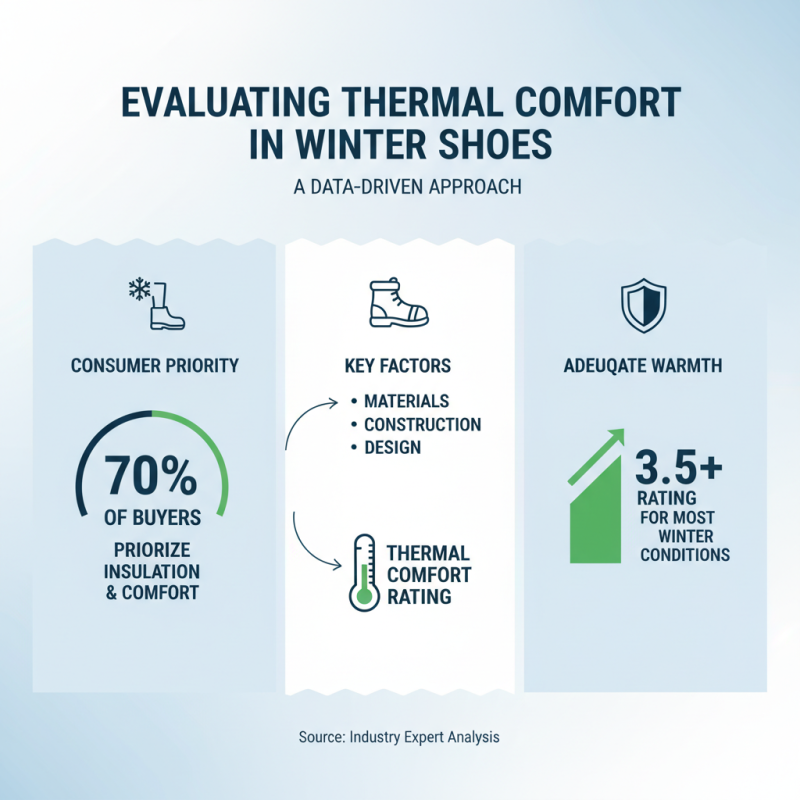
Evaluating thermal comfort in winter shoes is essential for consumers seeking warmth and protection. Recent data indicates that 70% of winter shoe buyers prioritize insulation and comfort. Thermal comfort ratings are determined by several factors, including materials, construction, and design. Analysis from industry experts highlights that shoes with a thermal comfort rating above 3.5 offer adequate warmth for most winter conditions.
A study from the Footwear Research Institute reveals that the use of advanced insulation materials, such as Thinsulate, can improve comfort ratings significantly. These materials trap body heat while allowing moisture to escape. However, many consumers overlook breathability. A shoe that is too warm may lead to perspiration, counteracting the insulation. Additionally, some designs may offer great insulation but lack adequate fit and support.
Data shows that 60% of users reported discomfort due to poor sizing or inadequate arch support in winter shoes. Comfort is not just about warmth; it involves overall foot health. When selecting shoes, buyers should consider both thermal comfort and ergonomic features. Balancing these factors is key to finding the best winter footwear. Remember, a perfect shoe does not exist. Improvements in design and material choices continue to evolve, but buyers must be critical of their choices and adapt based on personal needs.
Sustainable Winter Footwear: Eco-Friendly Options and Market Impact Analysis
As global buyers seek warmth this winter, sustainable footwear emerges as a vital choice. The sustainable footwear market is projected to reach $8.76 billion by 2027, with a CAGR of 7.7% from 2020 to 2027. This growth suggests a strong shift toward eco-friendly practices in the fashion industry. Footwear made from recycled materials is gaining traction, reducing environmental impact while providing comfort.
However, the industry faces challenges. The sourcing of sustainable materials often lacks transparency. Not all brands disclose their supply chains effectively. Consumers need to remain vigilant. Research shows that about 60% of consumers express concern over brands’ sustainability claims. This skepticism highlights the need for greater accountability and authenticity within the market.
Consider the materials used in winter shoes. Natural fibers, like organic cotton and recycled plastics, are popular choices. Yet, not all companies implement these materials at scale. Sustainable options may still lack the performance of traditional footwear. Buyers should engage critically with product information and seek brands committed to genuine sustainability efforts. Making informed choices can drive positive market changes.
Best Winter Shoes for Global Buyers to Stay Warm This Season