How to Choose the Best Sneakers for Your Needs?
Choosing the right sneakers can be a daunting task. With the market flooded with options, how do you make the best choice? A 2022 report by Statista reveals that the global athletic footwear sector is projected to surpass $100 billion by 2025. This indicates the tremendous variety and competition in the sneaker industry.
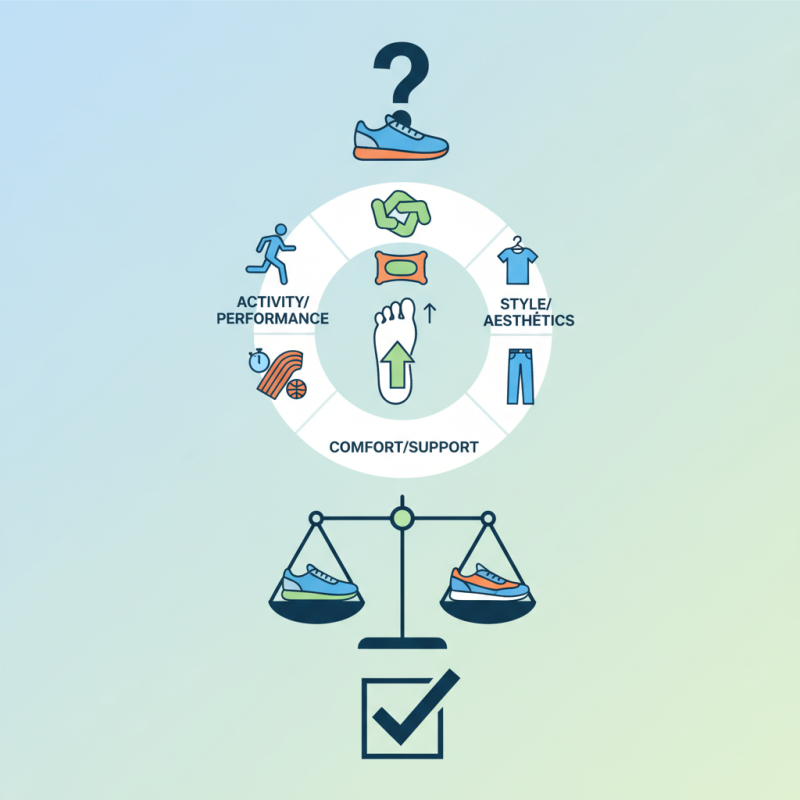
Understanding your needs is crucial. Comfort, support, and style vary significantly across brands. According to an analysis by the Footwear Distributors and Retailers of America, nearly 70% of consumers prioritize comfort over aesthetics. This highlights the importance of choosing sneakers that fit your lifestyle, whether for running, casual wear, or sports.
Reflect on your activities and preferences. Some sneakers excel at performance but may lack style. Others may look good but offer little in terms of support. Balancing functionality and aesthetics can be tough yet essential for making an informed decision.
Understanding Your Foot Type and Gait for Sneaker Selection
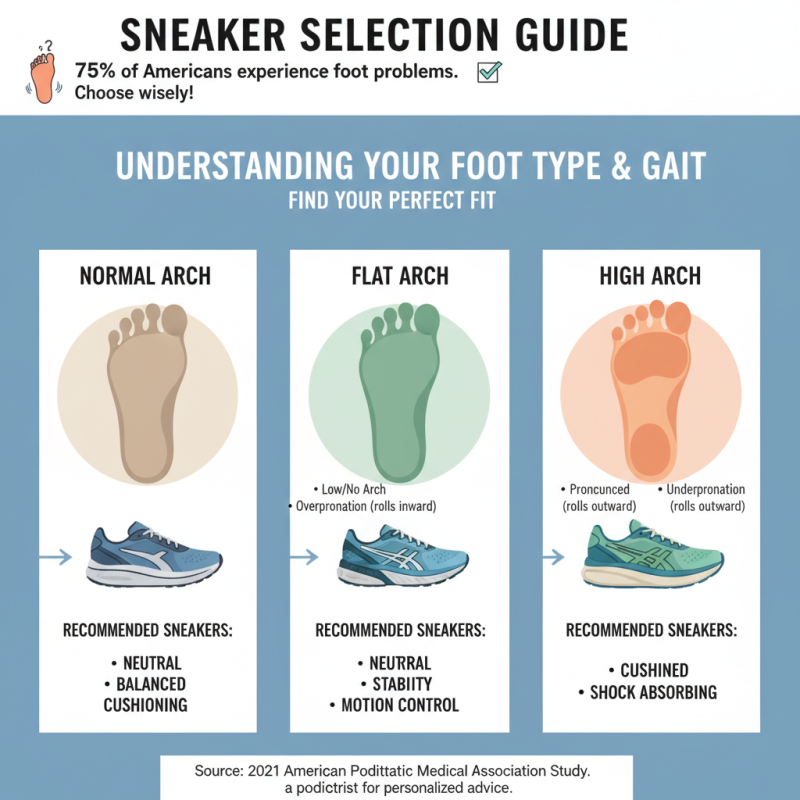
Understanding your foot type and gait is crucial when selecting the right sneakers. A 2021 study published by the American Podiatric Medical Association states that nearly 75% of Americans experience foot problems at some point in their lives. Foot types vary significantly, often falling into three categories: normal, flat, and high-arched. Each type requires different support and cushioning to maintain comfort and prevent injury.
Gait analysis can also influence sneaker choice. A report from the Journal of Biomechanics revealed that around 60% of people have an inefficient gait. Overpronators, for example, need stability shoes to prevent excessive inward rolling. Conversely, underpronators should look for shoes that offer more cushioning. Accurate understanding of your gait can lead to better outcomes. A misstep here can lead to discomfort or injury during physical activities.
It's important to note that foot size and shape change over time. Regular measurements can ensure an accurate fit. A survey by RunRepeat found that 50% of runners wear shoes that are too small. This can cause blisters and other issues. Be mindful of how your feet feel, as past experiences may not dictate current needs. Prioritize comfort and support when selecting your next pair of sneakers.
Identifying Your Primary Activities and Their Sneaker Requirements
Choosing the right sneakers requires understanding your primary activities. Different sports and casual uses dictate various features. For instance, runners need cushioning and support, while basketball players require ankle stability and traction.
Reports indicate that about 64% of consumers prioritize comfort when selecting footwear. This statistic highlights the importance of fit and materials used. A runner might prefer lightweight fabrics. In contrast, someone engaged in weightlifting should focus on a firm, stable base.
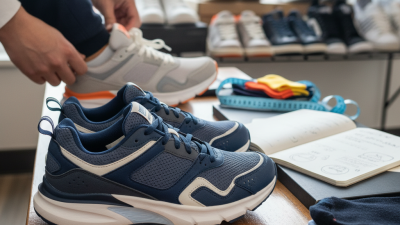
Tips: Always try on sneakers with the socks you plan to wear. Walk around to assess comfort. Remember, not all sneakers suit every foot shape. Do research on foot types; overpronators might need extra support. Finding the perfect pair can mean trying several options before feeling satisfied.
Evaluating Sneaker Features: Cushioning, Support, and Durability
When choosing the right sneakers, focus on key features like
cushioning,
support, and
durability.
Studies show that proper cushioning can reduce impact forces by nearly
30%. This is vital for both runners and casual wearers.
Look for materials like EVA foam in the midsole. This foam provides excellent
shock absorption while remaining lightweight.
Support is another crucial aspect. A sneaker’s arch support can impact your foot alignment and
overall comfort. Research indicates that improper support can lead to long-term issues, including
plantar fasciitis. Many experts recommend
selecting shoes with adjustable or customizable support features. This is especially important
for individuals with specific foot conditions.
Durability
cannot be overlooked. High-quality sneakers typically last between
300 to 500 miles of use. Cheaper alternatives may wear out more quickly, leading to
discomfort and potential injuries. Inspect the outsole materials for quality. Rubber compounds
often provide better traction and wear resistance. Reflecting on these features, it's clear that
sometimes, the highest price doesn't guarantee the best shoe. Always trust your own experience
alongside expert recommendations.
Considering Style and Aesthetic Preferences in Sneaker Choice
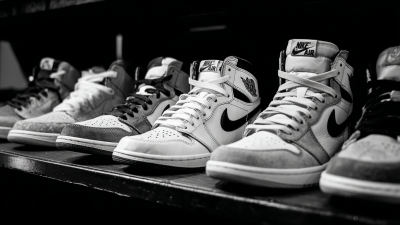
When selecting sneakers, individuality shines through style and aesthetics. Personal preference plays a vital role. Consider what looks good on you. Neutral colors offer versatility. Bright hues make bold statements. The right choice reflects personality and lifestyle.
Tips: Think about your wardrobe. Will these sneakers pair well with it? If you love vibrant outfits, choose sneakers that complement them. If you prefer a minimalist look, opt for sleek designs. Comfort must never be compromised, though. A stylish sneaker should also feel good.
Pay attention to trends, but don’t let them dictate choices. What looks trendy may not suit everyone. Reflect on past purchases. Did you wear those shoes often? If not, rethink your priorities. Style is subjective; trust your instinct. Embrace what makes you feel confident.
How to Choose the Best Sneakers for Your Needs? - Considering Style and Aesthetic Preferences in Sneaker Choice
| Sneaker Type |
Style |
Use Case |
Aesthetic Preference |
Comfort Level |
| Running Sneakers |
Sporty |
Running & Jogging |
Modern |
High |
| Lifestyle Sneakers |
Casual |
Everyday Wear |
Trendy |
Moderate |
| Basketball Sneakers |
Sporty |
Basketball Play |
Bold |
High |
| Walking Sneakers |
Casual/Comfort |
Walking |
Classic |
High |
| Trail Sneakers |
Outdoor |
Hiking & Trail Running |
Rugged |
High |
Budgeting for Quality: Finding Sneakers That Fit Your Price Range
Budgeting for quality when choosing sneakers can be challenging. Many consumers desire high-performance footwear without breaking the bank. A study by the NPD Group noted that the average consumer spends $60 to $75 on athletic shoes. However, this doesn't always equate to quality. Higher-priced sneakers may provide better durability and support, impacting your overall experience.
To find sneakers that fit your price range, it helps to assess your needs. Analyze how often you exercise and the type of activities you engage in. Sneakers designed for running generally cost more than casual wear. Look for sales, discounts, or last-season models. Often, previous models of high-quality shoes are available at lower prices without compromising performance.
Tip: Focus on the materials and construction of the sneaker. A well-made shoe can offer better support and extend its lifespan. Don't overlook online reviews, which often reveal real user experiences about value for money. Ultimately, finding the right balance between quality and price requires careful consideration. Reflect on your choices to ensure your investment meets your lifestyle needs.