How to Choose the Best Running Shoes for Men in 2026?
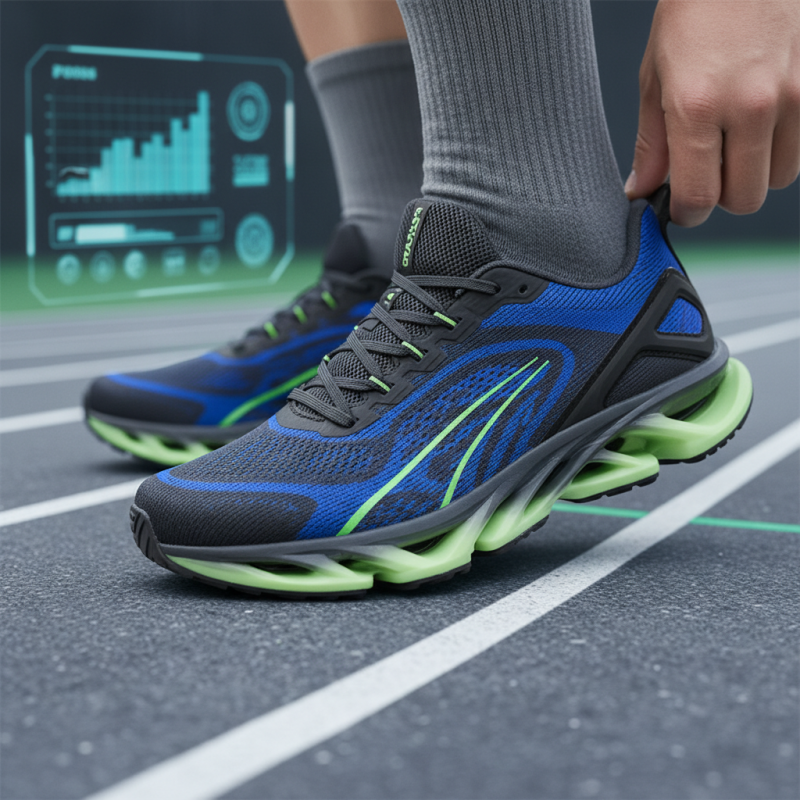
Choosing the right running shoes is crucial for men. The right pair can improve comfort and performance. In 2026, advancements in technology make this choice even more complex.
When selecting running shoes for men, consider fit, support, and style. Every runner is unique, and what works for one person might not suit another. Brands often market their shoes, but personal preference plays a major role.
Look for specific features like cushioning and breathability. Try shoes on while wearing your running socks. Sometimes, what looks good may not feel right. Reflect on your needs as a runner. Taking time for this process can lead to better running experiences.
Factors to Consider When Selecting Running Shoes for Men
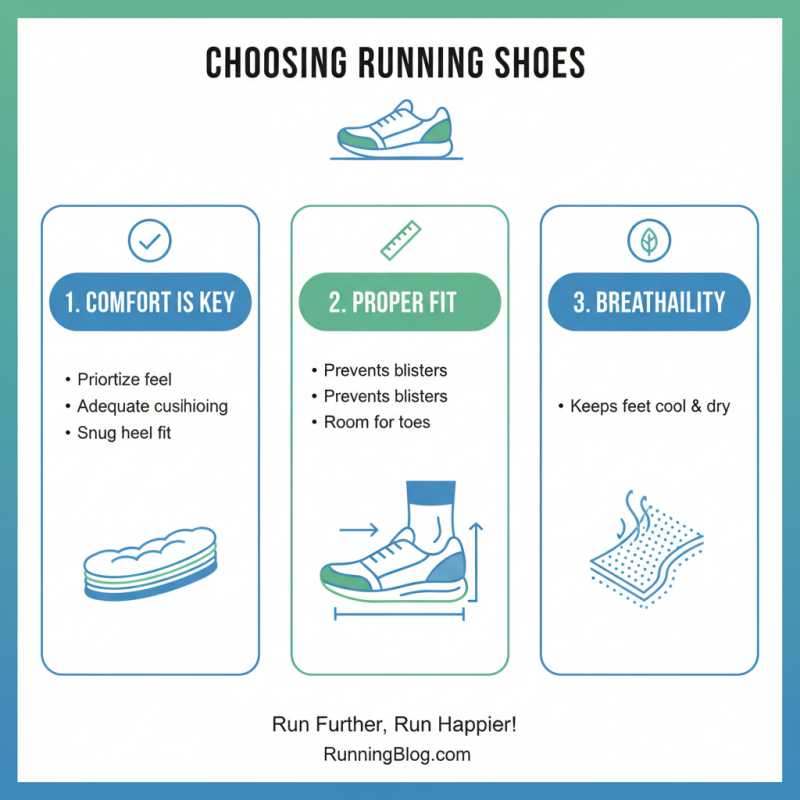
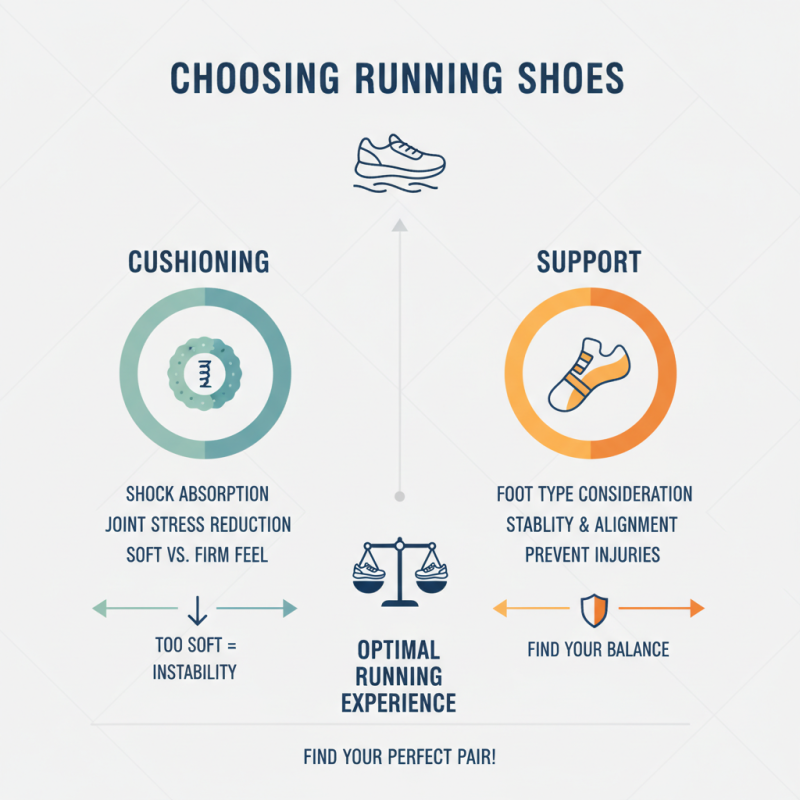
Choosing the right running shoes is crucial for comfort and performance. Comfort should be your first priority. Look for shoes that fit well and offer adequate cushioning. The material should be breathable to keep your feet cool during runs. A snug fit around the heel can prevent blisters, which is common with poorly fitting shoes.
Consider the type of running you do. Trail running shoes differ from road shoes. If you run on uneven terrain, look for shoes with better grip. Analyze your running style as well. Overpronators need different support compared to neutral runners. Test shoes before buying. Walk and jog in them to find the right feel.
Pay attention to sizes and widths. Many runners do not realize that feet swell during runs. Choosing a slightly larger size may help prevent discomfort. Reflect on your previous experiences with running shoes. If past shoes caused pain, think about what to avoid this time. Remember, the ideal shoe is a blend of comfort, support, and personal fit.
Understanding Different Types of Running Shoes Available in 2026
Choosing the right running shoes involves understanding various shoe types available in the market today. In 2026, runners can select from categories like road shoes, trail shoes, and stability shoes. Road shoes are designed for pavement, offering lightweight cushioning. They typically weigh between 8-10 ounces. Trail shoes, however, have enhanced grip and durability. They are bulkier but provide protection against rough terrains.
According to market research from the Running Footwear Association, over 70% of runners prioritize comfort and fit when choosing shoes. This underscores the importance of trying on multiple pairs. Stability shoes appeal to runners with overpronation, featuring firmer midsoles. Over 50% of runners need this support to avoid injuries. However, some may not even realize they have pronation issues.
Many runners buy shoes based on style rather than functionality. This can lead to bad choices. Reports indicate that nearly 30% of runners experience discomfort due to improper shoe selection. Insightfully, it's essential to assess your weekly mileage and foot type. Optimal shoe choice improves performance and prevents injuries. Awareness of shoe types is crucial for every runner aiming for success.
The Importance of Proper Fit and Sizing in Running Shoes
Choosing the right running shoes is crucial for comfort and performance. The fit should feel snug but not tight. You want space for your toes to wiggle. A shoe that is too loose may cause blisters. An improper fit can lead to injuries over time.
Tip: Measure your feet in the evening. Feet tend to swell throughout the day. This ensures you get the most accurate size. Also, trying shoes on with the socks you plan to wear helps.
Carefully observe how the shoes feel while running. A shadow of discomfort usually signals a bad fit. If your heel slips, or your arch feels unsupported, you may need to reassess your choice. Everyone's feet are unique.
Tip: Take your time when choosing. Don't rush the process. Walk and run a little in the store. It's better to leave empty-handed than to pick the wrong pair.
Running Shoe Fit and Sizing Metrics for Men in 2026
This bar chart illustrates the percentages of men experiencing different fitting issues with their running shoes in 2026. A proper fit is crucial for running efficiency and comfort, with the majority (60%) reporting a satisfactory fit.
Top Brands and Models of Men's Running Shoes to Explore in 2026
When selecting the best running shoes for men in 2026, exploring top brands and models is crucial. The market offers a variety of options focused on different types of runners. Lightweight designs often appeal to those seeking speed, while supportive styles benefit long-distance athletes. Look for shoes that provide a good balance between comfort and stability.
Consider your foot type and running style. Do you have a flat foot or high arches? Remember, the wrong fit can lead to injuries. Pay attention to the cushioning and support features. Some shoes are built for the pavement, while others cater to trail runners. Testing shoes by taking them for a quick jog can help identify what feels right.
Tip: Always try on shoes later in the day. Feet swell as you run. This can affect sizing. Make sure there’s space at the toe box. You want comfort, not a tight fit. Reflect on how your current shoes feel during runs. If discomfort persists, it may be time to explore new options. Finding the perfect pair may take time, but the effort is worthwhile for performance and comfort.
How to Choose the Best Running Shoes for Men in 2026?
| Model |
Type |
Weight (oz) |
Cushioning Level |
Price ($) |
| Model A |
Neutral |
10.5 |
Medium |
120 |
| Model B |
Stability |
11.0 |
High |
140 |
| Model C |
Trail |
12.0 |
Medium |
130 |
| Model D |
Minimalist |
8.0 |
Low |
110 |
| Model E |
Maximalist |
13.5 |
Very High |
150 |