How to Choose the Best Walking Style Shoes for Comfort?
Choosing the right walking style shoes is crucial for optimal comfort. According to the American Podiatric Medical Association, nearly 77% of adults experience foot problems at some point in their lives. The right footwear can prevent issues such as plantar fasciitis and general discomfort. Research shows that poorly fitting shoes contribute significantly to these ailments.
Walking style shoes serve both aesthetic and functional purposes. With the global athletic footwear market projected to reach $128 billion by 2025, consumers are increasingly aware of their choices. This growth highlights a shift toward prioritizing comfort and support in daily footwear. Brands now focus on technology that enhances cushioning and stability.
When selecting walking style shoes, consider your activity level and foot shape. Not every shoe fits every foot. A shoe that works for one person may not suit another. Testing different styles and materials is essential. Keep in mind that what feels comfortable initially could lead to issues later. Evaluate your choices carefully to ensure lasting comfort and support.
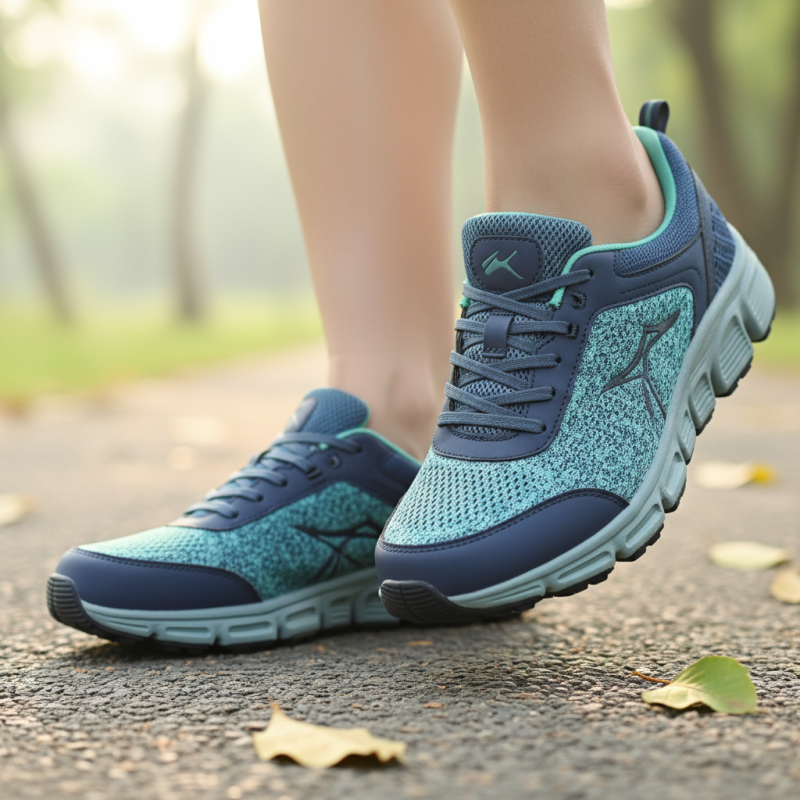
Understanding Different Types of Walking Shoes for Comfort
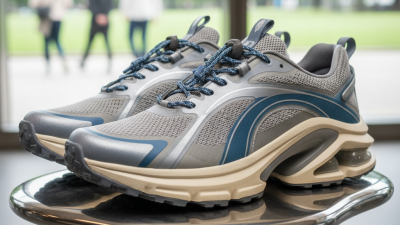
When choosing walking shoes, understanding the different types available can improve comfort significantly. Walking shoes are generally categorized into three main types: neutral shoes, stability shoes, and motion control shoes. Neutral shoes cater to those with a natural stride, offering cushioned support. Stability shoes provide added support for moderate overpronators. Motion control shoes help individuals with severe overpronation by limiting foot movement.
According to the American Podiatric Medical Association, proper footwear can prevent common foot problems. For instance, 70% of individuals reported improved foot comfort when wearing shoes designed for their walking style. Research from the Journal of Foot and Ankle Research highlights that cushioning and support in shoes can reduce impact on joints. This is important, as impacts during walking can contribute to long-term joint issues.
While these general categories guide shoe selection, individual preference plays a significant role. Some walkers may require extra arch support or a wider toe box for comfort. Additionally, the lack of uniformity among different brands can lead to confusion. It's crucial to try on multiple styles and assess comfort over time. Listen to your feet and pay attention to how they react.
Key Features to Look For in Comfortable Walking Shoes
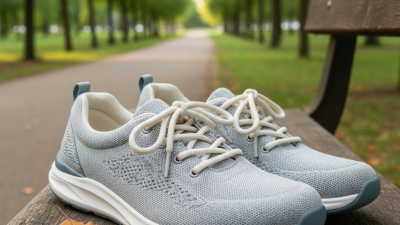
Choosing the right walking shoes can enhance your comfort significantly. When looking for comfortable walking shoes, prioritize key features that contribute to a great fit. Start with cushioning. Shoes with ample cushioning absorb shock and reduce pressure on your feet. Think about the material too. Breathable fabrics keep your feet dry during long walks, preventing blisters.
Support is another crucial aspect. Arch support helps maintain proper foot alignment. This is vital, especially for people with flat feet or high arches. Pay attention to the outsole. A rubber outsole provides better grip and durability. This is beneficial when walking on various terrains. Lastly, don’t forget about the fit. Ill-fitting shoes can cause discomfort. Always try on shoes at the end of the day when your feet are slightly swollen.
Finding the perfect pair may take time. You might try several styles before finding one that feels right. Sometimes, it’s easy to overlook the importance of trying shoes on with the socks you plan to wear. Remember, comfort plays a huge role in your walking experience. Take the time to consider these features. The right choice can make all the difference in your daily routine.
Key Features to Look For in Comfortable Walking Shoes
Tips for Trying on and Testing Walking Shoes
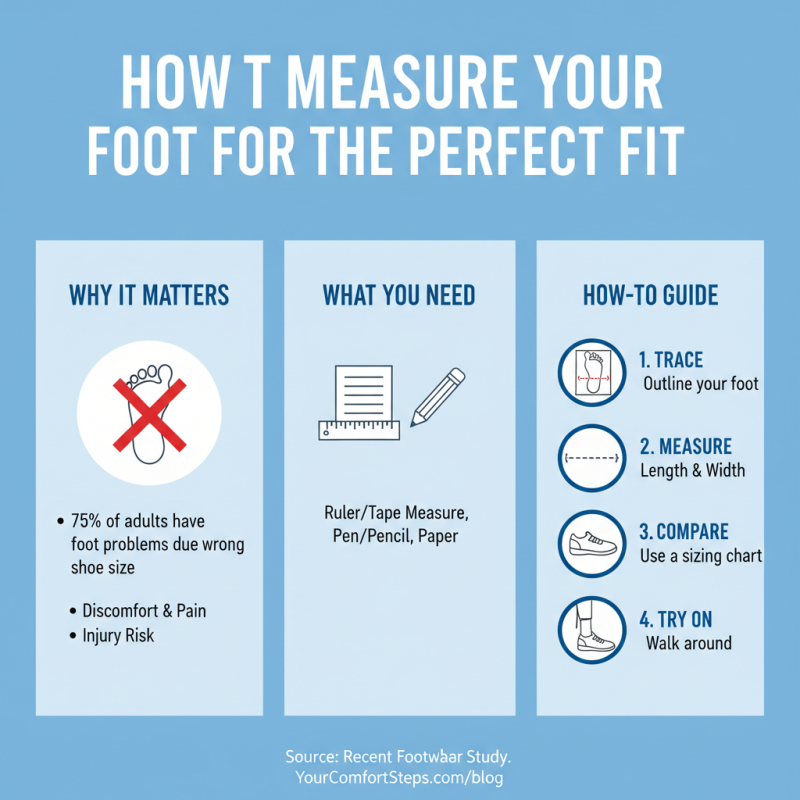
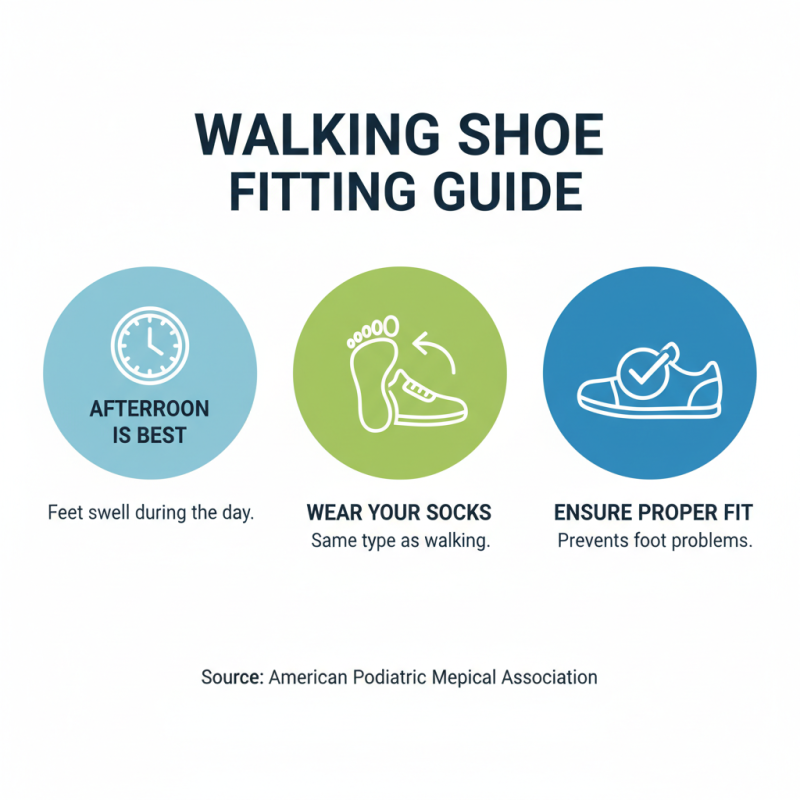
When it comes to choosing walking shoes, trying them on correctly is crucial. A report by the American Podiatric Medical Association states that improper footwear contributes to various foot problems. As your foot swells during the day, it’s best to try on shoes in the afternoon. This ensures they fit well even when your feet are at their largest. Make sure to wear the same type of socks you would use while walking.
Testing walking shoes can be as simple as taking a few laps around the store. Walk on different surfaces if possible. Listen for any sounds. A squeak might indicate instability. Check if there's enough space in the toe box, ensuring your toes have room to move. Experts recommend a thumb's width between your longest toe and the front of the shoe.
Don't disregard the arch support. A study from the Journal of Foot and Ankle Research found that up to 70% of people require specific arch support. Feel for the fit throughout your foot. A slight pinch can indicate that the shoe may not work for you over time. Comfort is personal, so what feels good for one person might not for another. Each person's needs differ, and finding your ideal shoe may take time and patience.
Maintaining Your Walking Shoes for Long-Term Comfort
Keeping your walking shoes in top condition is essential for long-term comfort. Regular maintenance can significantly enhance your walking experience. First, clean your shoes after each use. Wipe off dirt and grime with a damp cloth. Let them dry naturally to avoid damage. If your shoes are machine washable, follow the care instructions carefully to maintain the integrity of the materials.
Also, pay attention to the soles. Inspect them for wear and tear regularly. Replace shoes when the tread is worn down. This small action can prevent slips and enhance grip. Storing your shoes properly is also key. Avoid leaving them in damp places. Use a shoe tree or stuff them with newspaper to keep their shape. This prevents creasing and extends their lifespan.
It is important to remember that not all shoes will last forever. Sometimes, despite your best efforts, shoes might not provide the comfort you need. Recognize when it’s time for a new pair. Trusting your instincts when it comes to comfort can prevent discomfort later on. Care for your shoes, but also listen to your feet. Finding that balance is crucial for enjoying every step you take.
How to Choose the Best Walking Style Shoes for Comfort? - Maintaining Your Walking Shoes for Long-Term Comfort
| Feature |
Description |
Importance Level |
| Cushioning |
Provides shock absorption to reduce impact on joints. |
High |
| Arch Support |
Helps maintain foot alignment and improves overall comfort. |
High |
| Breathability |
Allows air circulation to keep feet cool and dry. |
Medium |
| Weight |
Lightweight design reduces fatigue during long walks. |
High |
| Fit |
Proper fit prevents blisters and discomfort during walking. |
High |
| Durability |
Quality materials ensure shoes last longer under regular use. |
Medium |