How to Choose the Best Winter Shoes for Comfort and Warmth?
Choosing the right winter shoes is crucial for maintaining comfort and warmth during the cold months. According to expert Clara Thompson, a renowned podiatrist, "Investing in quality winter shoes can protect your feet and enhance overall wellbeing." Her expertise highlights the importance of selecting footwear that provides both insulation and support.
When evaluating winter shoes, consider factors such as material, insulation, and fit. Insulated boots made with waterproof materials can keep your feet dry and cozy. Comfort is equally important; tight shoes can lead to cold feet and discomfort. Many people overlook these aspects, leading to poor decisions regarding winter footwear.
In our quest for the best winter shoes, we often get caught up in style over substance. While aesthetics matter, functionality should take precedence. A well-made pair of winter shoes should keep your feet warm and dry, while also providing the right support. Remember, the perfect winter shoes will make all the difference in your winter experience.
Choosing the Right Insulation Material for Winter Shoes
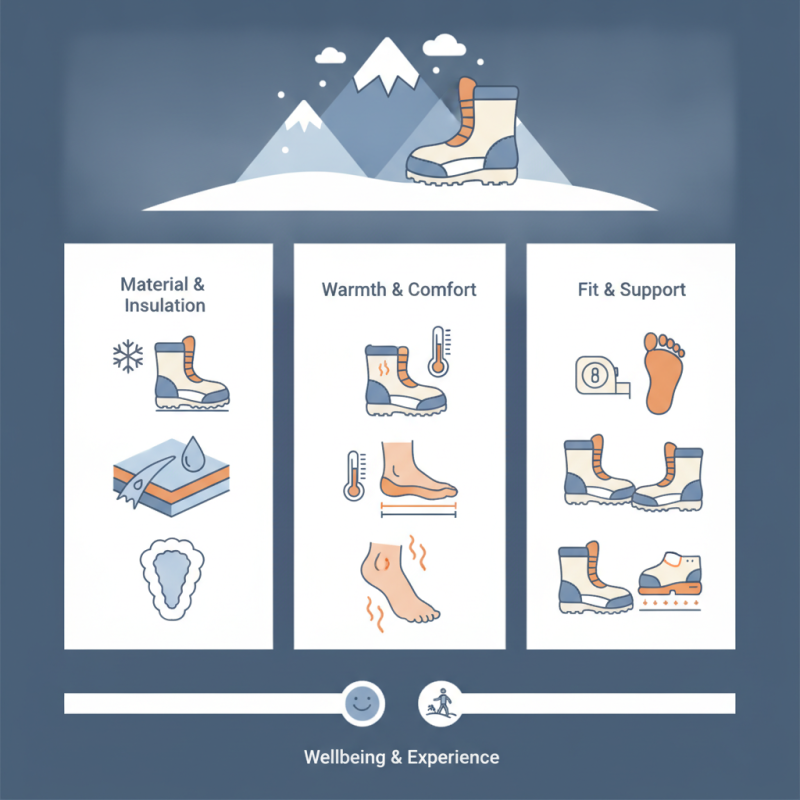
When selecting winter shoes, the insulation material is critical. The right insulation can determine how warm you feel in frigid conditions. Research from the American Society of Heating, Refrigerating and Air-Conditioning Engineers (ASHRAE) shows that shoes with proper thermal insulation can keep feet comfortable at temperatures as low as 0°F (-18°C).
Common insulation materials include Thinsulate, fleece, and wool. Thinsulate offers great warmth without bulk, making it ideal for active wearers. Fleece provides softness but may not be as effective in extreme cold. Wool is naturally moisture-wicking, yet it can absorb water, which may reduce its insulation properties if not properly treated. Depending on your winter activities, each material has its pros and cons.
Tips: Always check the temperature rating of insulation. This will guide you in choosing the right shoe for your climate. Additionally, consider how much time you will spend in wet conditions. A waterproof barrier can enhance warmth by keeping moisture out.
It's important to reflect on personal comfort preferences. A well-insulated shoe might feel restrictive for some. Experimenting with different fits may reveal surprising comfort levels. Pay attention to how insulation interacts with your unique needs. Comfort and warmth can vary significantly based on individual activity levels and local weather conditions.
How to Choose the Best Winter Shoes for Comfort and Warmth
Understanding the Importance of Waterproofing in Winter Footwear
When choosing winter shoes, waterproofing is critical. Wet conditions can lead to discomfort and cold feet. Shoes that lack proper waterproofing can soak through, leaving you vulnerable to the elements. Make sure the materials used in your winter footwear offer adequate protection against moisture.
Tips: Look for shoes made from waterproof materials like Gore-Tex or treated leather. This helps in maintaining warmth and comfort. Remember to check the seams as well. Sealed seams can prevent water from seeping in.
Consider the breathability of your shoes. A balance between waterproofing and breathability is essential. If your feet sweat, moisture buildup can make you cold. Research different technologies that address this challenge. Some shoes feature breathable membranes which allow moisture to escape but block water.
Evaluate your usage scenarios. If you plan on hiking or spending long hours outdoors, prioritize durable and highly waterproof shoes. Remember, finding the perfect pair may take time. Don't settle until you find shoes that feel right for you.
Evaluating Sole Materials for Optimal Grip on Slippery Surfaces
When it comes to winter shoes, sole material is critical for comfort and safety. Many consumers prioritize warmth but overlook grip. According to the American Society for Testing and Materials, slip resistance is essential for preventing winter accidents. In fact, around 30% of winter injuries result from falls on icy surfaces.
Rubber outsole is commonly chosen for winter shoes due to its natural traction. Testing shows that rubber soles can provide stability, even in icy conditions. However, many options on the market have varying levels of grip. Some rubber compounds perform better in cold temperatures than others. Additionally, cleated or lug designs can enhance grip further by channeling water away.
While it’s tempting to choose shoes primarily based on style, performance should not be ignored. Aesthetic options may compromise grip, leaving wearers vulnerable. Evaluating slip resistance ratings can guide consumers in selecting shoes that balance warmth and traction. Prioritizing functionality over style will improve comfort and safety in unpredictable winter conditions.
Determining the Right Fit: Sizing and Comfort for Winter Shoes
When selecting winter shoes, fit is crucial. Shoes that are too tight can lead to discomfort, while those too loose may cause blisters. It’s essential to measure your feet accurately and consider different sizing as brands often vary. Remember, winter footwear may require thicker socks. Measure your foot with the sock you intend to wear.
Comfort doesn’t only depend on size. The right shape matters too. A snug fit around the heel but enough room at the toes is ideal. If you find yourself constantly adjusting your footwear, reflect on the fit. Also, test your shoes by walking on various surfaces. Feedback from your feet can reveal a lot. Listen to it.
Finally, remember that your foot shape might change over time. Age, weight changes, and even pregnancy can alter the way shoes fit. Be open to reassessing your size and comfort regularly. A little compromise can sometimes lead to a more enjoyable winter experience.
Key Features to Look for in Breathable Winter Shoe Designs
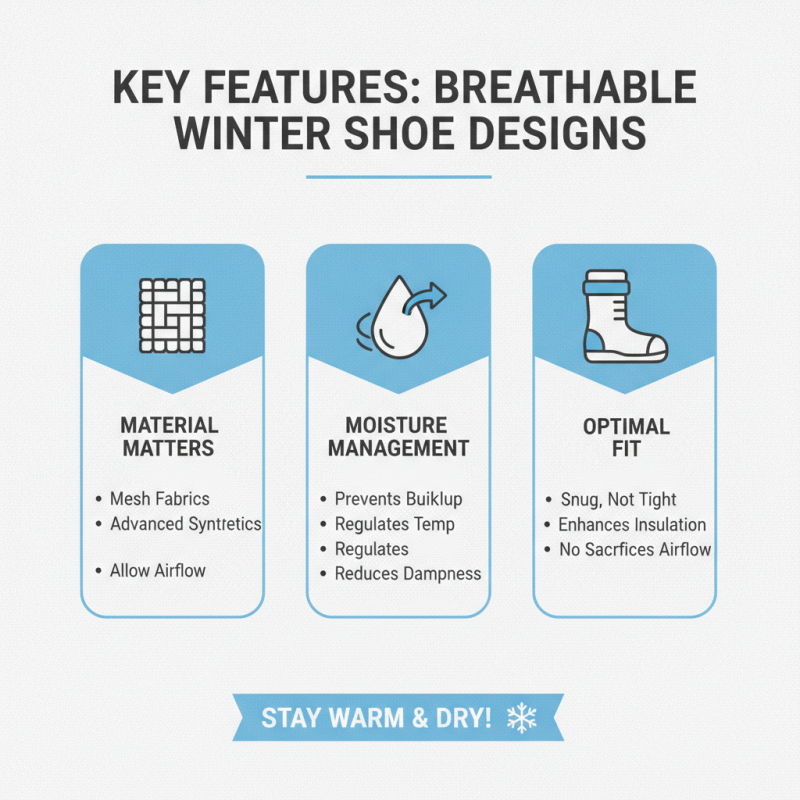
When selecting winter shoes, breathability is crucial for comfort. Shoes with breathable materials help regulate temperature inside, preventing moisture buildup. Look for shoes featuring mesh or advanced synthetic fabrics. These materials allow for airflow, reducing the risk of cold, damp feet. A snug fit enhances insulation without sacrificing breathability.
Insulation is another key aspect. It should keep your feet warm while allowing excess heat to escape. Many designs incorporate thermal linings that adapt to outdoor conditions. Pay attention to the shoe’s tongue and collar construction, as these areas can trap warmth effectively. A well-designed shoe does not compromise mobility for warmth.
Durability also matters. Winter shoes face harsh conditions, from snow to salt. Select footwear with reinforced stitching and high-quality outsoles. They will withstand everyday wear without sacrificing comfort. Consider reflective elements for visibility in low light too. Balancing these features is challenging but essential. An ideal solution exists for everyone, though it may require testing different styles to find the perfect fit.