How to Choose the Best Men's Sneakers for Everyday Wear?
Choosing the right pair of men's sneakers for everyday wear is no easy task. With so many options available, it can be overwhelming. Do you prioritize comfort, style, or durability? These factors often conflict, creating tough decisions.
Consider how you plan to wear the sneakers. Are they for casual outings, gym sessions, or just daily errands? Each scenario requires different features. For instance, lightweight designs may suit active days, while trendy options may elevate casual looks.
Don't forget about fit. The ideal men's sneakers should hug your feet without pinching. A poor fit can lead to discomfort and frustration. Reflect on your daily activities and make choices that align with your lifestyle. Balancing style and function may seem challenging, but with careful consideration, the right pair is within reach.
Factors to Consider When Choosing Men's Sneakers for Daily Use
Choosing the right sneakers for daily wear can be challenging. Comfort is crucial. Look for cushioned insoles and ample support. A good fit will prevent blisters and discomfort during long days. Don't overlook the importance of breathability. Materials like mesh can keep your feet cool and dry, especially in warm weather.
Style matters too. Choose a versatile design that complements your wardrobe. Classic colors, like black or white, often work well. However, don’t shy away from bold choices if they resonate with your personality. Remember, sneakers should reflect you. Consider the outsole for grip. A quality sole can enhance daily activities, from walking to casual sports.
It’s easy to get lost in trends. What seems stylish now might not feel right in a few months. Take the time to try on various styles. Pay attention to how they feel after extended wear. Your sneakers should not only look great but also make you feel good. Reflect on your lifestyle needs as well; find a balance between function and fashion.
Factors to Consider When Choosing Men's Sneakers for Daily Use
Understanding Different Types of Sneakers and Their Purposes
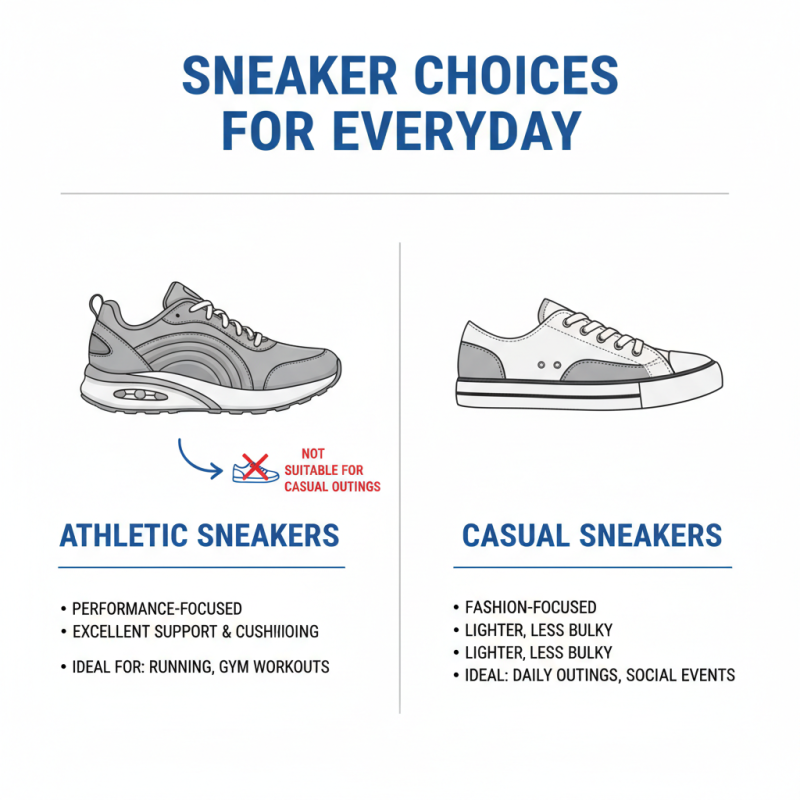
When choosing sneakers for everyday wear, it's essential to understand their various types and purposes. Athletic sneakers are designed for performance. They provide excellent support and cushioning. These shoes work well for running or gym workouts. Yet, they may not be suitable for casual outings.
Casual sneakers, on the other hand, focus on style. They typically have a more relaxed fit and offer less arch support. These shoes are great for running errands or meeting friends. However, they may lack the comfort needed for long walks. Fashion sneakers blend style with functionality. They can transition from day to night with ease. But, you might find their durability lacking.
It's important to reflect on the activities you'll do in your sneakers. For hiking, look for trail-specific designs. They provide grip and protection. Office-ready sneakers may combine sophistication with comfort. Think about how often you'll wear them. Investing in a versatile pair can save money in the long run. Sometimes, a popular choice may not suit your needs. Test different types to find the perfect fit.
Evaluating Comfort and Fit: Key Elements for Everyday Wear
When choosing the best men's sneakers for everyday wear, comfort and fit are critical. A recent study by the American Podiatric Medical Association found that nearly 70% of individuals experience foot discomfort due to improper footwear. This highlights the importance of evaluating how sneakers accommodate your feet.
Proper fit begins with measuring your feet accurately. Sizes can vary across styles, making a size chart often insufficient. Ensure there’s about a thumb’s width between your longest toe and the shoe’s front. A snug but not tight fit is ideal. Remember that sneakers should feel comfortable right away; they shouldn't require a painful break-in period.
Tip: Always try on sneakers in the evening when your feet are slightly swollen. This gives a better idea of how they will feel during daily wear. Additionally, consider arch support. A report from the Journal of Orthopedic Research noted that arch support can significantly reduce foot pain, enhancing your daily comfort.
Not all sneakers are created equal. Some may look stylish but lack the necessary cushioning. It’s a common mistake to prioritize appearance over comfort. Reflect on how often you'll wear them and evaluate comfort over aesthetics. Be cautious. An attractive sneaker can still leave your feet aching after hours on them.
How to Choose the Best Men's Sneakers for Everyday Wear?
| Feature |
Description |
Importance (1-5) |
| Cushioning |
Proper cushioning helps absorb shock and provides comfort, especially during extended wear. |
5 |
| Arch Support |
Good arch support minimizes foot fatigue and improves overall comfort, key for all-day wear. |
4 |
| Breathability |
Materials that allow airflow prevent overheating and keep feet dry, enhancing comfort. |
4 |
| Weight |
Lightweight sneakers reduce fatigue during long periods of wear, making them ideal for daily use. |
4 |
| Fit |
A secure fit prevents blisters and ensures stability while walking or running, essential for comfort. |
5 |
| Durability |
Sturdy construction extends the life of sneakers, ensuring they withstand everyday activities. |
4 |
Materials and Durability: How They Affect Your Sneaker Choice
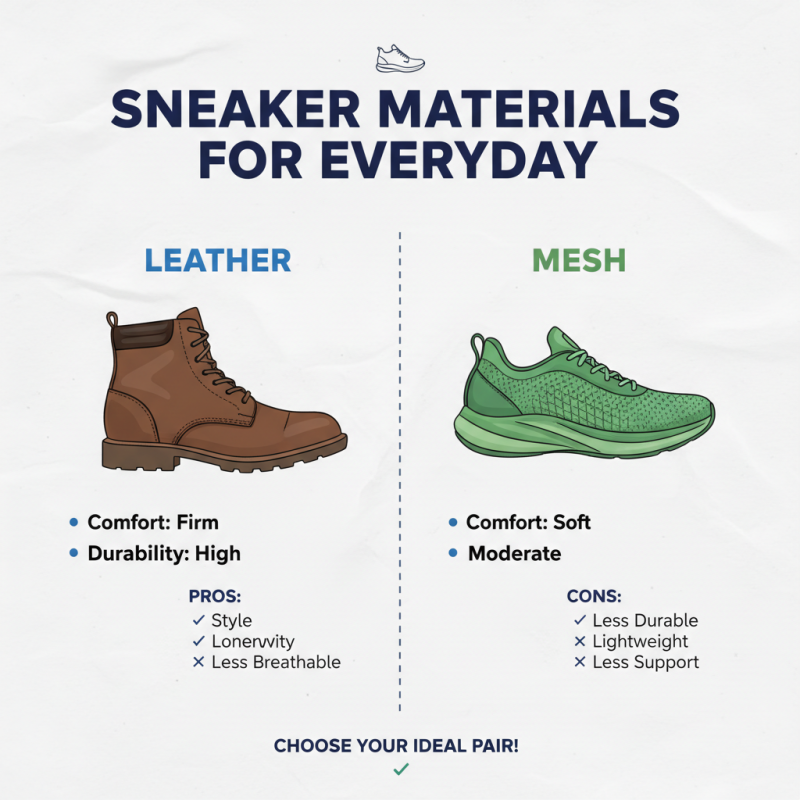
When choosing sneakers for everyday wear, materials play a crucial role. Different materials offer varying levels of comfort, breathability, and durability. For instance, leather often provides a stylish look and longevity. However, it can also be heavier and less breathable. On the flip side, mesh fabrics offer excellent ventilation. They keep your feet cool but may lack long-term durability.
Consider the sole of the sneaker as well. Rubber soles are common for their traction and resilience. However, they can wear out quickly if you often walk on rough surfaces. Some may choose EVA foam for its lightweight feel. Yet, this material might not be as sturdy. Finding a balance is essential.
Reflect on your typical daily activities. If you're frequently on your feet, lightweight materials may seem appealing but risk compromising support. A heavier sneaker with robust construction might be a better choice for walking long distances. While aesthetics matter, comfort and durability should not be overlooked. What feels good initially may not hold up over time.
Style Versatility: Matching Sneakers with Everyday Outfits
Choosing the right sneakers can elevate your style. They should blend comfort with versatility. Classic designs pair well with various outfits.
When it comes to matching sneakers, consider your wardrobe color palette. Neutral colors work with almost everything. Think about wearing black, white, or gray shoes. These shades make outfit coordination easier. Remember to keep it simple.
Mixing textures can also enhance your look. A suede sneaker contrasts nicely with denim. Experiment with different fabrics for varied styles. Consider how the sneaker's style affects the overall vibe. For instance, high-tops give a sporty feel, while low-tops can appear sleek.
Tip: Before you buy, think about the occasions you'll wear them. Outdoor events may require more durable pairs. Casual meetings can handle something more stylish. Always consider comfort. Uncomfortable shoes may limit your enjoyment. Test them before making a decision.