How to Choose the Best Sneakers for Every Occasion?
Sneakers have become more than just athletic footwear; they are a fashion statement. In 2022, the global sneaker market was valued at approximately $100 billion. This number is projected to exceed $120 billion by 2026, indicating a growing interest in sneakers across various demographics.
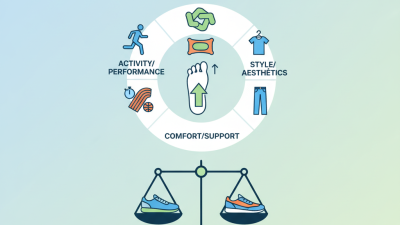
Different occasions require different types of sneakers. For instance, running sneakers offer support for athletes, while lifestyle sneakers emphasize style and comfort. According to a recent report from Statista, 40% of sneaker shoppers prioritize comfort, while 30% look for trendy designs.
Choosing the right sneakers can be challenging. Some may struggle to find the perfect balance between comfort and style. Reflecting on personal needs is essential. Are sneakers for workouts or casual outings? The answers guide selections. Experts suggest trying shoes in-store. This allows for assessing fit and comfort firsthand.
Understanding Your Foot Type and Its Impact on Sneaker Selection
Understanding your foot type is crucial in selecting the right sneakers. Not all feet are the same. Research indicates that around 70% of people have foot types that vary significantly in arch height and width. This diversity affects comfort and performance when choosing sneakers. Feet can be flat, neutral, or high-arched, and each type requires different features in footwear.
For instance, flat-footed individuals often need shoes with stability and extra support. A study revealed that those with flat feet might experience more overpronation, increasing the risk of injuries. In contrast, those with high arches generally benefit from cushioning and flexibility. Data from orthopedic studies show that proper support tailored to foot type can lead to a 30% decrease in running injuries.
Foot width also matters when selecting sneakers. A shoe that fits too tightly can cause blisters and discomfort. Studies show that nearly 50% of people wear the wrong size shoes. Many are unaware of the importance of width. Trying on different sizes and styles is essential to achieve a comfortable fit. Reflecting on these factors can ensure you choose the best sneakers for every occasion. There’s often room to learn, as even experienced athletes can overlook these critical details.
Evaluating Sneakers for Sports: Cushioning, Stability, and Fit
When evaluating sneakers for sports, three key factors stand out: cushioning, stability, and fit. Recent research from the American Academy of Sports Medicine indicates that proper cushioning can enhance performance and reduce injury risk by 24%. This suggests that sneakers designed with advanced cushioning technologies can provide better shock absorption and comfort during intense activities.
Stability is equally important, especially for athletes engaged in running or court sports. A study by the Journal of Strength and Conditioning Research revealed that footwear lacking proper stability can increase the risk of ankle sprains by up to 30%. This highlights the need for sneakers offering adequate support for the foot arch and a secure heel counter. Athletes should prioritize finding shoes that promote natural foot movement while providing assurance against slips.
Fit cannot be overlooked. Ill-fitting sneakers can lead to blisters, discomfort, and diminished athletic performance. The National Athletic Trainers' Association recommends trying on sneakers later in the day when feet are slightly swollen. This helps in assessing fit more accurately. Many people choose sneakers that "look good," ignoring essential fit factors like toe space and width. Ultimately, a thoughtful approach to selecting sneakers can lead to better performance and fewer injuries.
Fashion Versatility: Sneakers for Casual, Formal, and Active Scenarios
Choosing the right sneakers for various occasions can transform your look and enhance comfort. Sneakers have evolved into versatile footwear, suitable for casual outings, formal events, and active scenarios. A recent market report indicates a growing demand for multifunctional shoes, with over 50% of consumers preferring styles that transition seamlessly between different settings.
For casual outings, opt for sneakers that reflect personal style. Stylish designs with unique colors can elevate your everyday look. A casual sneaker should be comfortable yet trendy, allowing for easy pairing with jeans or shorts. According to a 2022 study, almost 70% of sneaker buyers consider versatility essential when making a decision.
Active scenarios demand performance-focused sneakers. Look for breathable materials and proper cushioning for sports or workouts. These features enhance comfort and support, reducing the risk of injuries. Remember that even the best sneakers can feel uncomfortable if they don’t fit properly. Check size charts and feedback for guidance.
When it comes to formal settings, it’s crucial to choose wisely. Sneakers with sleek designs in neutral colors can fit into business casual environments. These options often offer a contemporary edge to traditional attire. Some people hesitate to wear sneakers in formal settings but taking risks can pay off. Try combining dressy outfits with refined sneakers to showcase your unique style.
Choosing the Best Sneakers for Every Occasion
The Role of Material and Technology in Performance Sneaker Choices
When selecting performance sneakers, the material and technology play crucial roles. Breathable fabrics promote airflow, keeping your feet cool during intense activities. Look for lightweight materials to enhance agility. Additionally, ensure that the cushioning technology matches your activity type. Cushioning impacts comfort and energy return, vital for long runs or gym workouts.
Tips for choosing performance sneakers:
- Pay attention to the upper material. It should be durable yet flexible.
- Test the sole for grip and support. A well-designed outsole prevents slips.
- Evaluate arch support based on your foot type. Proper fit can prevent injuries.
Innovative tech in sneakers can be overwhelming. Many sneakers feature responsive midsoles for dynamic movements. However, not all technologies suit every foot. Consider your specific needs and activity level. After all, what works for someone else might not work for you. Experiment with different options to find the perfect balance between comfort and functionality.
Sizing and Comfort: How Proper Fit Contributes to Sneaker Performance
Choosing the right sneakers involves more than just style. Sizing and comfort play crucial roles in performance. A proper fit can significantly enhance your experience. Ill-fitting shoes can cause blisters, soreness, and even long-term injuries. It's imperative to measure your feet regularly. Foot size can change over time due to various factors.
When trying on sneakers, pay attention to the width and arch support. If you feel tightness or pressure, those shoes might not be the right fit. Walk around the store; do not rush the decision. Engage in activities similar to what you plan to do. For instance, jog in place or take a few quick steps. The fit should offer a snug feeling without pinching.
Consider different types of socks as well. They can alter how a sneaker fits. A thicker sock might change the overall comfort. Less noticeable detailing, such as laces and padding, can also impact the fit. Reflecting on what you like and dislike about your current sneakers helps. This self-awareness leads to a more informed choice. Always be ready to step back. Sometimes, walking away from a pair is the wiser decision.