Why Are Sneakers So Popular Among All Age Groups?
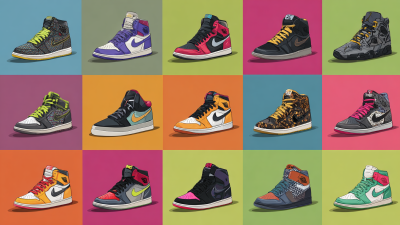
Sneakers have transcended their original purpose as sports footwear to become a cultural phenomenon. Today, they are embraced by people of all ages. This widespread appeal raises intriguing questions about the reasons behind this trend. A combination of comfort, style, and social status contributes to the allure of sneakers.
For many, sneakers represent a fusion of fashion and function. They cater to a desire for both practicality and self-expression. The variety of designs available allows individuals to choose styles that resonate with their personalities. In addition, sneakers often serve as status symbols, with certain brands commanding high prices and attracting avid collectors.
However, the commercialization of sneakers can also lead to issues. The pressure to keep up with trends may drive people to spend excessively on footwear. This begs reflection on the true value of such possessions. Overall, sneakers are more than just shoes; they are a complex blend of comfort, culture, and consumerism that invites both devotion and critique.
The Evolution of Sneakers: A Historical Overview
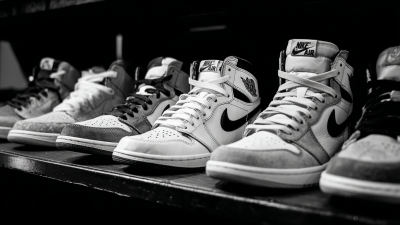
Sneakers have undergone a significant evolution since their inception. Originally designed for athletic performance, they catered primarily to sports enthusiasts. The early versions were simple canvas shoes with rubber soles. As technology advanced, so did the design and functionality of sneakers. New materials emerged, enhancing comfort and durability. This transformation caught the attention of the general public.
In the 1980s, sneakers entered the fashion world. Their acceptance in mainstream culture marked a turning point. Hip-hop artists and athletes began wearing them as style statements. Suddenly, sneakers were no longer confined to the gym. They represented individuality and self-expression. As celebrities embraced this trend, sales skyrocketed. Yet, this popularity also sparked reflection on consumerism. People began to question the necessity of owning multiple pairs.
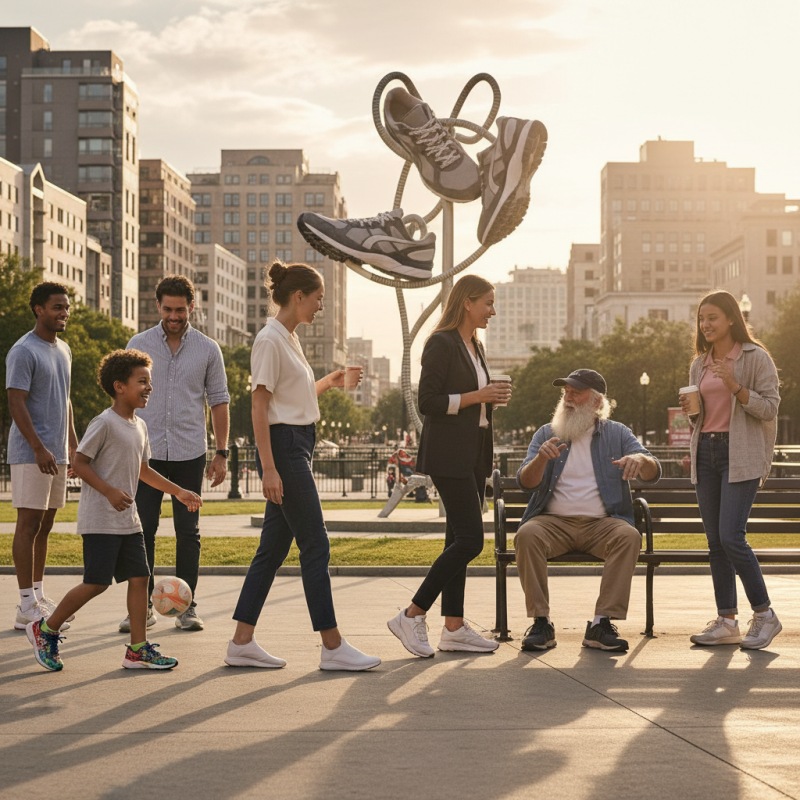
Today, sneakers are pervasive across all age groups. Their designs range from minimalistic to bold, catering to diverse tastes. While they symbolize comfort and versatility, the pursuit of the latest trends can lead to overconsumption. This paradox invites a closer look at motivations behind sneaker culture. Are we buying for practicality or for status? Understanding this can deepen our appreciation for what sneakers represent beyond mere footwear.
Sneakers in Pop Culture: Influences and Iconic Moments
Sneakers have become a cultural phenomenon, influencing various aspects of society. From music to sports, they have captured the attention of diverse age groups. A recent report from MarketWatch highlights that the global sneaker market is projected to reach $95 billion by 2025. This indicates a growing trend, especially among younger consumers who see sneakers as more than just footwear.
Pop culture has played a significant role in this rise. Iconic moments in music videos and influential figures have helped shape sneaker popularity. For instance, a song featuring a catchy hook and vibrant visuals can boost sneaker sales significantly. The 2021 Nike report revealed that sneaker collaborations with artists produced a 40% sales increase. Such collaborations foster a sense of community and identity, making sneakers more appealing across different generations.
However, this trend also raises questions. Are consumers losing the essence of individuality by chasing trends? The rapid turnover of sneaker designs can lead to disposable culture. Some experts warn that this fascination with sneakers might overshadow the quality and craftsmanship that once defined footwear. Balancing trendiness and sustainability is a challenge that both brands and consumers face today.
Comfort and Functionality: Why Sneaker Design Appeals to Everyone
Sneakers have become a staple in modern wardrobes across all age groups. The appeal of their design lies primarily in comfort and functionality. Many people seek footwear that allows for easy movement. Sneakers provide cushioning and support, making them ideal for daily wear. This is especially important for those who might experience foot discomfort throughout their busy days.
In addition to comfort, sneakers offer a variety of styles and options. Different designs cater to individual preferences, from minimalist looks to bold colors. This versatility allows people to express themselves while prioritizing comfort. However, not everyone finds the perfect fit. Some struggle with sizing or arch support, leading to discomfort even in popular styles.
Social trends also play a role in sneaker popularity. Casual outfits increasingly dominate daily life. Sneakers easily complement both relaxed and semi-formal attire. Still, the challenge remains to find a pair that balances style and lasting comfort. For many, the journey to finding the right sneaker can become a long and reflective process. Ultimately, the widespread love for sneakers stems from their ability to blend practicality with personal expression.
The Role of Branding: How Marketing Shapes Sneaker Popularity
The sneaker market has seen explosive growth, reaching an estimated value of $95 billion in 2022. This expansion can be largely attributed to effective marketing strategies. Branding significantly influences consumer choices. Research shows that 70% of sneaker buyers prioritize brand reputation over other factors. This highlights how powerful branding can be in attracting diverse age groups.
Advertising campaigns often emphasize lifestyle and identity. They connect sneakers to cultural movements, leading consumers to view them as status symbols. For instance, in youth demographics, marketing through social media platforms has proven effective. A report indicated that 80% of teens follow sneaker trends via social media influencers. This underlines the role of digital marketing in shaping sneaker popularity across different age segments.
However, there are often discrepancies in marketing messages and the actual consumer experience. Some buyers feel disappointed when the performance of a sneaker does not align with its marketing hype. Sneaker brands frequently face the challenge of maintaining authenticity. As consumer awareness grows, companies must reconsider their advertising approaches. A more transparent dialogue is essential for fostering lasting brand loyalty.
Trends Across Generations: What's Driving Multi-Age Appeal in Sneakers
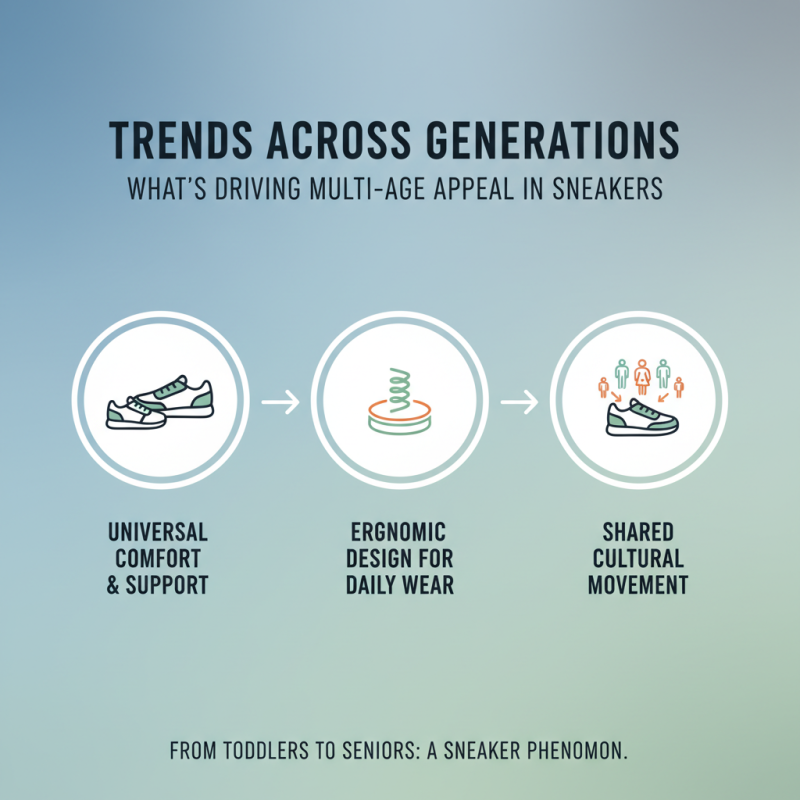
The sneaker phenomenon is not just a trend; it's a cultural movement. From toddlers to seniors, people of all ages are embracing this versatile footwear. What's driving this widespread appeal? One aspect is comfort. Sneakers offer support for the feet, making them ideal for daily tasks. This basic necessity resonates across generations, creating a shared experience.
Fashion plays a significant role as well. Sneakers blend seamlessly with various styles, from athleisure to casual wear. Young adults often pair sneakers with trendy outfits. Meanwhile, older generations appreciate their practicality and nostalgic value. The rise of streetwear culture has also influenced this shift. Social media platforms amplify these trends, showcasing diverse ways to wear sneakers. This visibility encourages acceptance among all ages.
Lifestyle changes have contributed to this trend too. With a focus on health, more people prioritize active living. Sneakers fit this ethos perfectly. However, it raises questions about consumerism and sustainability. Are we prioritizing style over substance? Balancing fashion with environmental impact is an ongoing challenge. As sneakers gain popularity, these reflections become essential for future purchases.