Choosing the right pair of Casual Baby Boy Shoes is about more than color or a cute design. Comfort, fit, and safe movement matter most. Babies’ feet grow quickly, and a shoe that fits today may feel tight sooner than expected. Check both feet, since they may differ slightly in length. Fit comes first.
For everyday outings, look for lightweight shoes with a flexible sole, a secure fastening, and soft, breathable materials. The shoe should stay on without squeezing the toes or leaving deep marks. A little room at the front allows natural movement, but too much space can make walking awkward. Small details matter. Seams, stiff edges, and slippery soles can affect comfort during ordinary play.
This guide shares seven practical tips for choosing shoes that suit your baby’s age, activity, and needs. It covers fit checks, materials, support, closures, and care, with clear points to consider while shopping. Babies develop at different speeds, so no single shoe works for every child. Watch how your baby moves in the pair, and reassess the fit regularly. A label can be useful, but it cannot tell you how the shoe feels on your child’s foot. That part takes attention—and sometimes a second look.
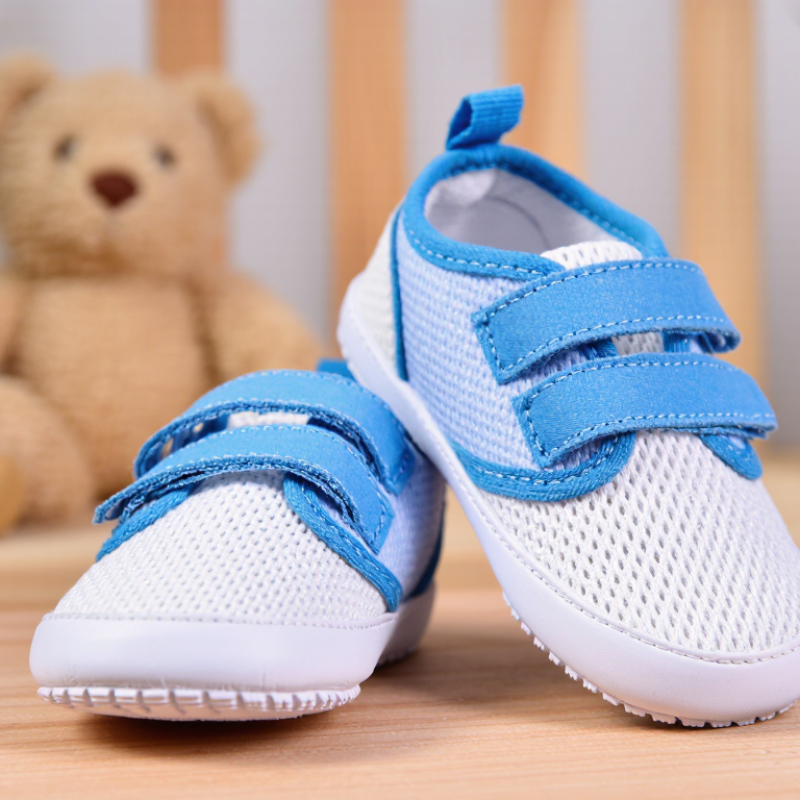
A baby’s everyday shoe needs depend more on movement than on appearance. A baby who is not yet walking may need little more than warm socks indoors, while a new walker needs protection outdoors. Think about where the shoes will be worn: a stroller ride, a daycare floor, or a short walk on pavement all call for different features. Keep it simple.
For early steps, look for a lightweight shoe with a flexible sole, a secure fastening, and a roomy toe area. The toes should not press against the front, and the heel should stay in place without rubbing. Check the fit while your baby is standing, since feet can spread under weight. A quick check every few weeks is sensible; little feet change fast. I once underestimated how quickly a snug pair could become uncomfortable.
Consider the day’s practical details, too. Shoes that are easy to put on can help during a rushed morning, but they should not slip off as your baby crawls or toddles. If your child spends most of the day indoors, a heavy or stiff shoe may be unnecessary. Watch for red marks after removal, and ask a pediatric professional about persistent discomfort or unusual walking patterns. No single style suits every baby.
| Tip | Everyday need | What to look for | Practical check |
|---|---|---|---|
| 1. Match shoes to his stage | A baby who is not yet walking usually needs warmth and protection more than structured footwear. | Soft, lightweight booties or socks for comfort; flexible shoes for supervised outdoor steps. | At home, let a non-walking baby go barefoot when the surface is safe and comfortable. |
| 2. Consider where he will wear them | Daily use may include indoor play, stroller rides, childcare, or outdoor walks. | Choose a style suited to the setting, with a sole and upper that can handle the expected surfaces and activity. | Check that the sole is suitable for the ground he will walk on and is not slippery or excessively stiff. |
| 3. Prioritize a comfortable fit | Growing feet need enough room without the shoe slipping off. | A roomy toe area, a secure heel, and a fit that does not pinch or press on the foot. | Try shoes on while he is standing if he can stand; check both feet, since they may differ in size. |
| 4. Measure rather than guess | Age-based shoe sizes are only a rough guide, and sizing can vary between styles. | A size selected using the child’s current foot measurements and the shoe’s fit. | Measure both feet periodically and recheck fit as he grows; do not rely on age or the label alone. |
| 5. Look for easy, secure closures | Caregivers need shoes that are practical to put on and stay in place during movement. | Adjustable closures, such as hook-and-loop straps or laces, that hold the shoe comfortably. | Make sure closures are fastened securely and are not tight enough to leave marks or restrict movement. |
| 6. Choose flexible, lightweight construction | New walkers benefit from shoes that allow natural foot movement. | A lightweight shoe with a flexible sole and a comfortable, non-restrictive upper. | Check that the shoe bends where the foot naturally bends and does not feel bulky on his foot. |
| 7. Plan for comfort and care | Everyday shoes may get warm, damp, or dirty during regular wear. | Comfortable, breathable materials and care instructions that suit your routine. | Check the inside for rough seams or irritation, and clean and dry shoes according to their care instructions. |
Measure both feet while your baby stands, with weight spread evenly. One foot may be longer, and soft socks can change the fit. Trace each foot on paper, then measure from heel to the longest toe. Shop using the larger measurement. A 2018 systematic review in the Journal of Foot and Ankle Research found that studies commonly identified children wearing poorly fitting shoes; reported rates varied, showing why a label size alone is unreliable. Check fit, not just the number.
Leave about 10–12 millimetres of space in front of the longest toe, enough for movement and near-term growth. Too much room can make a shoe slip; too little can press small toes against the front. Feel inside the toe box, then check that the heel stays secure as your baby takes a few steps. Look for red marks after removal. Recheck the fit every few months, and sooner if toes seem cramped or the shoe becomes hard to put on. Feet do not always grow at the same pace. I’d still avoid buying far ahead; growth is uneven, and a guessed size can disappoint.
For casual baby boy shoes, compare the upper and lining, not just the material name. Open mesh often lets more air pass than a dense, coated synthetic upper, but tight linings can trap warmth. Soft knit stretches easily and feels light; it may also lose shape faster. Unlined leather can feel supple, though it may need gentle breaking in. Feel inside for rough seams, then bend the shoe near the ball of the foot. It should flex without collapsing.
Industry figures offer context, not a performance guarantee. Textile Exchange’s 2024 Materials Market Report estimates polyester made up 57% of global fiber production in 2023. That scale says little about a particular shoe’s airflow. The World Footwear Yearbook 2024 reports 22.4 billion pairs produced worldwide in 2023, across many designs and materials. Neither report tests baby-shoe breathability, so treat fabric labels as a starting point, not proof. Labels can mislead.
Tip: Compare two pairs in your hands. Press the uppers against your cheek, check for a soft lining, and gently twist each shoe. Try them on with the socks your child usually wears; look for toe room and a heel that stays put. I’d still recheck fit after a short walk—tiny feet change, and a flexible upper can feel different once warm.
A casual shoe should grip the floor without feeling like a hiking boot. Check the outsole for shallow grooves or a textured pattern, especially under the heel and forefoot. Press it against a clean, smooth floor and gently slide it; it should resist, not skate. Try this only as a rough check. A hand test cannot reproduce every surface.
Flexibility matters, but the shoe should not fold into a soft ball. Hold the heel and toe, then bend the front of the sole. It should flex near the toes while keeping the middle reasonably supportive. Not too stiff. Too floppy, either. If your baby is learning to stand or walk, watch how the shoe moves during ordinary steps, and compare with barefoot movement when safe.
Inspect the construction in good light. Look for seams that lie flat, edges that do not peel, and a sole attached evenly around the shoe. Check inside for rough stitching or a raised label that could rub delicate skin. Small details count. A quick look can miss a weak spot, so gently tug the sole and fabric at several points. I would not rely on appearance alone; materials can feel different after repeated wear. Keep checking for loose parts, worn tread, or areas that become stiff after cleaning.
A secure closure helps casual baby shoes stay in place during crawling, cruising, and early steps. Look for wide hook-and-loop straps or soft elastic openings that hold the foot without pressing into it. The shoe should come off easily for a quick fit check. No pinched toes. Leave a little room at the front, but avoid a heel that slips with every step. Loose laces can catch or trail, so they may be less practical for busy little feet. Check the fastening after your baby moves around; a shoe that seems snug while sitting may loosen during play.
Easy-care designs save time when milk, dust, or playground grit shows up. Smooth fabric or wipeable surfaces can be simpler to clean than delicate trim and deep seams. Removable insoles are useful, too, if they can be taken out without stretching the shoe. Follow the care label, and let shoes dry fully before putting them back on. Damp shoes can feel uncomfortable. One trade-off is that very soft materials may stain quickly, while stiffer finishes can feel less flexible. There is no perfect option for every family, and I would recheck both the closure and fit as your baby grows.