Shose expert

15 Years Manufacturing Experience
DSC00533

China Top 10 Custom Shoes Manufacturers?

China Top 10 Custom Shoes Manufacturers? This guide examines Chinese footwear producers serving brands, retailers, designers, and private-label buyers. Custom Shoes require more than attractive photographs. They demand accurate lasts, stable materials, clean stitching, reliable sizing, and repeatable production.

Stuart Weitzman, an internationally recognized footwear designer, once said, “A shoe has to be incredibly comfortable, and it has to make you feel good.” That principle shapes this review. A factory may offer low prices, yet poor foam density can cause discomfort after several hours. A polished sample may also hide weak glue lines, uneven toe boxes, or inconsistent color matching.

The selected manufacturers should be assessed through practical evidence. Look for documented production experience, material sourcing, sample development, and quality-control procedures. Ask whether the factory can produce your requested upper, outsole, lining, logo, packaging, and size range. Confirm minimum order quantities, prototype fees, production timelines, and inspection options before signing an agreement.

Details matter.

A reliable supplier should explain how it checks measurements before cutting leather or synthetic fabric. It should also communicate delays honestly. This matters because international production rarely follows a perfect schedule. Some rankings may change as capabilities, certifications, equipment, and customer service develop. Therefore, this list is a useful starting point, not a final verdict.

Buyers should compare samples personally. Bend the outsole. Inspect the heel counter. Walk in the shoe. Small defects become expensive problems at scale. Through this practical lens, the following manufacturers offer a clearer basis for evaluating China’s Custom Shoes market.
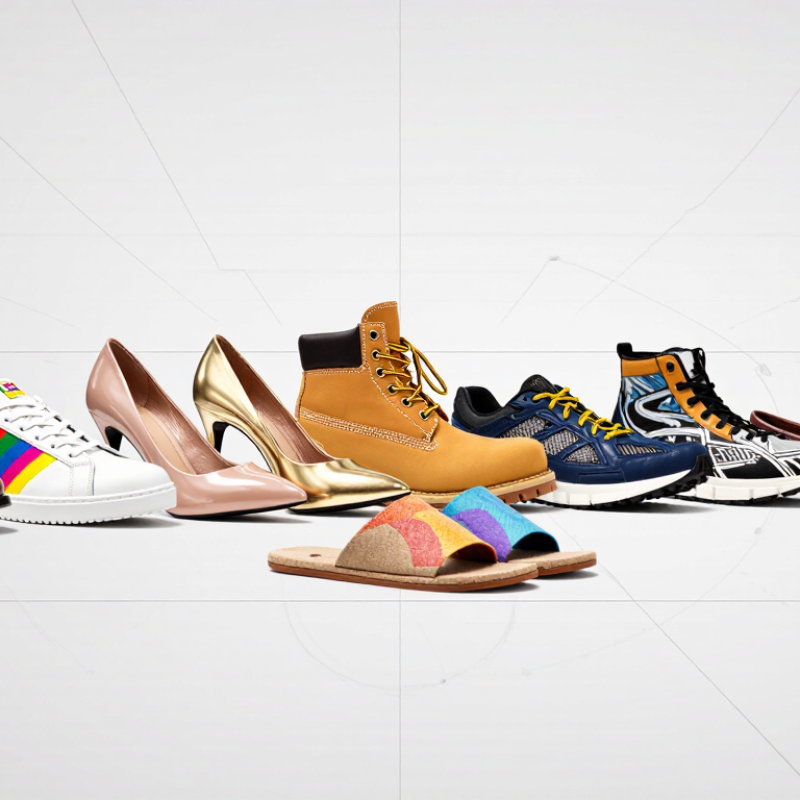
China Top 10 Custom Shoes Manufacturers?

What Are Custom Shoe Manufacturers in China?

Custom shoe manufacturers in China are specialized factories that develop and produce footwear from a buyer’s design. They may provide pattern making, material sourcing, sample production, mass manufacturing, and packaging. Some operate as OEM suppliers, while others offer ODM designs that buyers can modify. The difference matters. A workshop producing simple canvas shoes may not manage complex cushioning or waterproof construction.

China remains a major production base. The World Footwear Yearbook 2024 estimated that Asia produced about 87% of global footwear in 2023, while China represented roughly 55% of worldwide output. These figures show manufacturing scale, not automatic quality.

In practice, buyers should inspect sample rooms, stitching consistency, sole bonding, and production records. A useful factory visit includes checking cutting machines, humidity control, and how rejected pairs are recorded.

Reliable manufacturers should explain minimum order quantities, sample fees, lead times, and material substitutions in writing. Independent laboratory testing can verify slip resistance, colorfastness, flex durability, and restricted-substance compliance. ISO 9001 certification may support process control, but it does not replace physical inspections. I have found that a detailed tech pack prevents more problems than a polished sales presentation. Still, even experienced buyers can miss small issues, such as uneven heel counters or adhesive marks inside the shoe. That deserves reflection. A lower quotation may hide weaker inspection procedures, delayed materials, or inconsistent sizing.
How to Evaluate China’s Custom Shoe Manufacturers

China’s scale makes manufacturer evaluation essential, not optional. The World Footwear Yearbook 2024 reported that China produced about 55.5% of the world’s footwear in 2023. This capacity is impressive, but production volume does not guarantee consistent workmanship. Ask for factory registration, production experience, equipment lists, and recent audit records. Verify them independently.

Request a physical sample before discussing bulk production. Check stitching density, edge finishing, adhesive marks, outsole bonding, and size accuracy. Compare the sample with a signed specification sheet. The American Society for Quality recommends measurable acceptance criteria, while ISO 2859-1 provides recognized sampling guidance for inspections. Set inspection points for incoming materials, assembly, and finished pairs. A clear defect limit matters.

Cost deserves careful analysis. A quotation should separate materials, tooling, packaging, testing, and shipping. Extremely low pricing may hide weaker materials or unstable labor planning. Ask for material certificates and test results for flexing, abrasion, colorfastness, and bonding strength. The World Footwear Yearbook also showed Asia supplied 87.4% of global footwear production in 2023, so regional competition is intense. That pressure can improve service, but it can also encourage optimistic promises. I have seen timelines look perfect on paper and fail during peak seasons. Leave realistic buffer time. ISO certificates help, but they never replace factory visits, sample reviews, and documented inspections.

China’s Top 10 Custom Shoe Manufacturers

China’s Top 10 Custom Shoe Manufacturers are often judged by more than factory size. A reliable supplier should explain material choices, production limits, and inspection steps clearly. During supplier reviews, I look for a complete sample room, organized lasts, and traceable material records. A practical factory can show stitching tension, outsole bonding, and size grading in real time. Small details reveal working discipline. Some manufacturers impress with fast replies but provide vague samples. That is a warning sign.

The strongest candidates usually support custom development from sketch to bulk production. They discuss upper materials, lining thickness, heel counters, footbed comfort, and packaging requirements. Experienced technicians should identify pressure points before mass cutting begins. I also check whether the factory uses written approval records for colors, dimensions, and tolerances. Production capacity matters, but consistency matters more. Ten thousand pairs mean little if the eleventh pair differs visibly. Factory visits, video inspections, and independent testing can improve confidence, although none removes every risk.

A serious comparison should include lead times, minimum order quantities, payment terms, defect handling, and communication after delivery. Ask for a small pilot order when possible. It exposes problems early. Some factories may promise everything to win an inquiry. That is not expertise. Their answers should match their equipment and workforce. I would also question specialty materials unless documentation supports the claim. My own evaluation can be imperfect, especially when schedules are tight or samples hide production weaknesses. A careful buyer should revisit the shortlist after each sample round and record what changed, what failed, and what remains uncertain.

China Top 10 Custom Shoes Manufacturers? - China’s Top 10 Custom Shoe Manufacturers

The table below compares major Chinese footwear manufacturing hubs and their commonly available custom-production capabilities. Order quantities and lead times are industry-typical reference ranges and vary according to design complexity, materials, tooling, testing, and seasonal capacity.

Rank Manufacturing Hub Common Custom Shoe Focus Core Construction Capabilities Common Material Options Typical MOQ Range Typical Sample Lead Time Typical Bulk Production Lead Time Common Compliance Support
1 Jinjiang, Fujian Sports footwear, running shoes, casual sneakers, children's shoes Cold cementing, injection molding, rubber outsoles, EVA midsoles Mesh, engineered knit, synthetic leather, TPU, EVA, rubber 500–2,000 pairs per color or style 7–15 working days 30–60 working days Material testing, wear testing, restricted-substance testing, social-audit support
2 Dongguan, Guangdong Fashion sneakers, lifestyle footwear, private-label shoes, small-batch development Cemented, vulcanized, cupsole, molded outsole, handcrafted assembly Leather, microfiber, canvas, mesh, suede, rubber, EVA, recycled textiles 300–1,000 pairs per style 7–20 working days 30–55 working days REACH and CPSIA testing support, factory audits, quality inspections
3 Wenzhou, Zhejiang Leather shoes, casual footwear, work shoes, formal shoes Goodyear welted, cemented, injection, direct-attach, stitched constructions Full-grain leather, corrected-grain leather, microfiber, PU, rubber, PVC 500–2,000 pairs per style 10–20 working days 35–65 working days Leather chemical testing, slip-resistance testing, quality-control inspections
4 Huidong, Guangdong Women's footwear, sandals, fashion shoes, evening shoes Cemented, injection, hand-finished, heel attachment, decorative assembly Leather, PU, satin, mesh, textile, PVC, rubber, molded plastics 300–1,500 pairs per style 7–15 working days 25–50 working days Heel-strength testing, colorfastness testing, material inspection
5 Wenzhou–Ruian, Zhejiang Children's shoes, school shoes, casual footwear, lightweight sneakers Cemented, injection-molded, direct-injection, flexible outsole construction Microfiber, mesh, synthetic leather, PU, EVA, TPR, rubber 500–2,000 pairs per style 10–18 working days 30–60 working days CPSIA support, phthalate testing, small-parts and safety testing
6 Putian, Fujian Sport sneakers, training shoes, fashion sneakers, performance-inspired footwear Cemented, cupsole, EVA compression molding, rubber outsole bonding Engineered mesh, knit, synthetic leather, TPU, EVA, rubber, foam compounds 500–2,000 pairs per style 7–18 working days 30–60 working days Flexing, abrasion, bonding-strength, colorfastness and chemical testing
7 Chengdu, Sichuan Outdoor shoes, hiking shoes, work footwear, casual boots Cemented, direct-attach, rubber outsole, waterproof construction Leather, suede, ripstop, mesh, waterproof membranes, EVA, rubber 500–1,500 pairs per style 12–25 working days 40–70 working days Waterproofness, slip resistance, abrasion, flexing and bonding tests
8 Quanzhou, Fujian Sports shoes, school shoes, sandals, work and uniform footwear Injection, cemented, vulcanized, EVA and rubber outsole construction Mesh, knitted textiles, synthetic leather, EVA, PVC, TPR, rubber 500–2,000 pairs per style 7–15 working days 30–55 working days Performance testing, factory inspections, social-compliance audit support
9 Huizhou, Guangdong Fashion footwear, leather sneakers, casual shoes, customized small runs Cemented, cupsole, hand-finished, stitched and decorative constructions Leather, suede, canvas, textile, microfiber, rubber, EVA 200–1,000 pairs per style 10–20 working days 30–60 working days Material verification, workmanship inspection, third-party quality control
10 Yangzhou, Jiangsu Slippers, comfort shoes, home footwear, seasonal casual products Injection, cemented, stitched, molded foam and flexible sole construction Textile, fleece, synthetic leather, PU, EVA, TPR, rubber 500–3,000 pairs per style 7–15 working days 25–50 working days Colorfastness, odor, chemical-content and basic physical-performance testing
Actual minimum order quantities, tooling fees, sample charges, testing requirements, production schedules, and certifications should be confirmed directly during supplier qualification. No individual company or brand data is included in this comparison.

Manufacturing Capabilities and Customization Options

China Top 10 Custom Shoes Manufacturers: Manufacturing Capabilities and Customization Options

Reliable custom shoe manufacturers typically offer development from sketch to finished sample. Their capabilities may include pattern making, 3D modeling, cutting, stitching, lasting, sole attachment, and final inspection. Experienced teams can produce athletic shoes, casual footwear, work shoes, and specialty designs. Material choices often include leather, mesh, microfiber, recycled textiles, rubber, EVA, and molded components.

Customization begins with the last, which controls the shoe’s shape and fit. Buyers can adjust toe width, heel height, collar padding, lining, outsole texture, logos, colors, and packaging. Some factories provide small prototype runs before mass production. This step reveals practical issues, such as uncomfortable seams or weak bonding. Small details matter.

Quality control should cover material inspection, size consistency, stitching strength, adhesive curing, flex testing, and carton checks. Ask for written specifications and an approved reference sample. Clear communication prevents costly changes. Still, no sample guarantees perfect bulk production. Factory capacity, worker skill, and seasonal pressure can affect results. I have found that realistic timelines work better than rushed promises. Buyers should also verify production records, testing documents, minimum order quantities, and corrective-action procedures before placing larger orders.

How to Choose the Right Chinese Shoe Manufacturer

Choosing the right Chinese custom shoe manufacturer requires more than comparing factory photos and quoted prices. Request a detailed company profile, production address, export experience, and workshop videos. A reliable supplier should explain its strengths clearly, not promise everything.

Ask for a physical sample before discussing bulk production. Check the shoe’s stitching, glue marks, sole balance, edge finishing, and walking comfort. Test the sample after repeated bending. Small defects often appear then. Confirm material specifications, color references, size grading, packaging, and acceptable tolerance levels in writing. A video call with the technical team can reveal more than a polished catalog.

Visit the factory when possible. Observe cutting, stitching, assembly, inspection, and storage areas. Ask who controls quality at each stage. Independent testing may be useful for materials, especially when selling in regulated markets. Discuss minimum order quantities, tooling ownership, sample fees, payment stages, production capacity, and realistic delivery dates. Do not accept vague promises. They create expensive confusion later.

Communication deserves careful attention. Use drawings, measurement charts, and numbered revision files instead of informal messages alone. A manufacturer may agree quickly but misunderstand a small design change. I have learned that a cheaper quotation can hide slower sampling or inconsistent materials. My own evaluation process is not perfect, either. Supplier references can be outdated, and factory visits show only one day. Keep backup suppliers, inspect pre-production samples, and record every decision.

China Top 10 Custom Shoes Manufacturers? How to Choose the Right Chinese Shoe Manufacturer

This practical evaluation framework compares the factors commonly used when screening custom shoe manufacturers in China. Product quality and consistency receive the highest weighting, followed by manufacturing capability, communication, compliance, lead time, minimum order quantity, customization flexibility, pricing, sampling, and logistics. The percentages are recommended decision weights rather than a ranking of individual companies.