Global buyers need more than attractive catalog images when selecting Snow Boots suppliers. They need verified performance, stable production, and transparent communication. The World Footwear Yearbook 2024 reported nearly 23.9 billion pairs of footwear were produced globally in 2023. That scale creates opportunity, but it also increases sourcing complexity. A warm-looking boot may still fail during wet commutes, icy warehouse shifts, or long-distance delivery.
Industry reports from Grand View Research and Research and Markets identify insulation, waterproof construction, lightweight materials, and winter traction as major market priorities. However, public market estimates differ considerably. That is worth remembering. A supplier ranking should not rely on market size alone. It should examine laboratory testing, outsole compounds, seam sealing, material traceability, factory audits, minimum order quantities, and seasonal lead times. Retailers also need evidence that claims such as “waterproof” and “-30°C rated” match documented testing conditions.
Matt Powell, a veteran sportswear and footwear analyst, has repeatedly emphasized a practical principle: “Consumers buy solutions, not specifications.” That idea fits Snow Boots closely. Buyers want dry socks, secure footing, manageable weight, and dependable delivery. The following guide evaluates ten suppliers through that commercial lens, combining product capability with sourcing reliability. It is not a perfect ranking. Supplier performance can change by factory, region, order size, and season. Careful buyers should request recent samples, test reports, and production references before signing a contract.
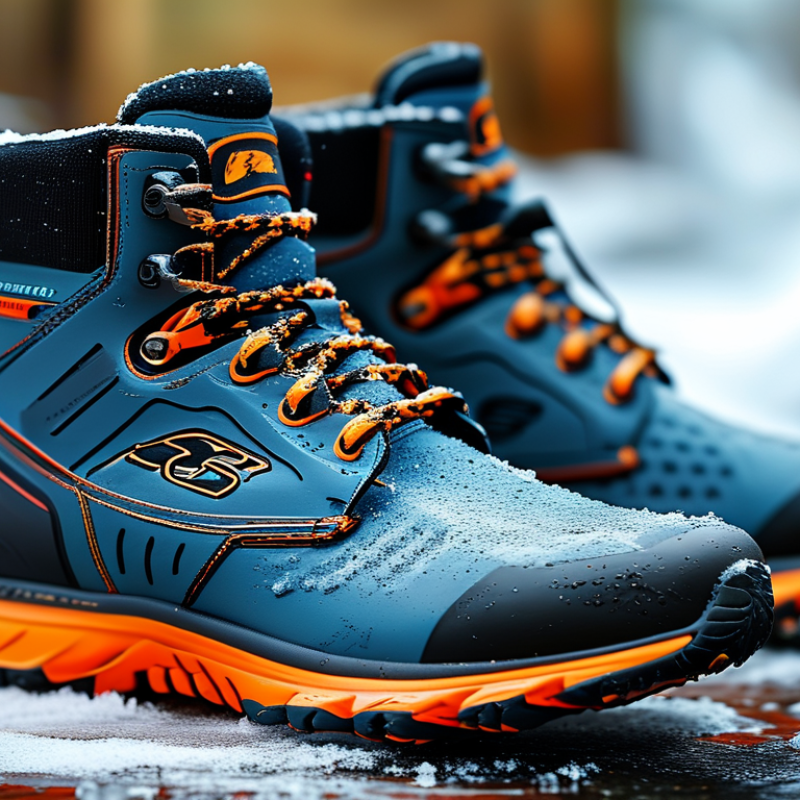
Global buyers should evaluate snow boot suppliers beyond attractive catalogs and low quotations. A reliable supplier explains insulation, waterproof construction, outsole grip, and production limits clearly. Ask for material specifications, laboratory reports, and recent quality records. Do not accept vague claims such as “Arctic ready.” Real winter performance depends on temperature ratings, seam sealing, tread design, and sockliner recovery.
Factory verification matters. Buyers can review audit reports, production photographs, worker safety procedures, and traceability records. A useful sample should be tested after flexing, soaking, freezing, and repeated walking. Check whether the adhesive remains stable and whether the lining sheds fibers. Small details matter. Confirm size grading across markets, carton strength, barcode accuracy, and moisture protection during ocean transport. Suppliers should also disclose minimum order quantities, tooling fees, lead times, and their response plan for defective goods.
Communication is another practical test. Ask suppliers to explain a failed inspection, not only a successful one. Honest answers reveal more than polished presentations. No supplier is perfect. A low defect rate on paper may still hide inconsistent sampling or weak factory controls. Buyers should compare promised capacity with actual machines, staffing, and seasonal workload. A controlled trial order before scaling can expose problems early. It adds time and cost, but dependable documentation, stable quality, and accountable support usually protect margins better.
| Rank | Anonymous Supplier Profile | Typical Production Region | Core Manufacturing Strength | Common MOQ Range | Typical Bulk Lead Time | Common Upper Materials | Insulation Options | Buyer Documents to Request | Best Fit for Global Buyers |
|---|---|---|---|---|---|---|---|---|---|
| 1 | Profile A: Large-Scale Winter Footwear Factory | East Asia | High-volume injection and cemented construction | 1,000–5,000 pairs per style | 45–75 days after approval | Synthetic leather, coated textile, rubber-reinforced panels | Thinsulate-type polyester, felt, fleece | ISO 9001, material test reports, CPSIA or REACH test reports where applicable | Large retail programs and private-label winter ranges |
| 2 | Profile B: Waterproof Construction Specialist | East Asia | Sealed seams, waterproof membranes and molded outsoles | 500–2,000 pairs per style | 50–80 days after approval | Water-resistant textile, PU, synthetic leather | Synthetic fleece, foam-backed lining, wool blends | Hydrostatic or water-penetration test, seam-sealing records, chemical compliance reports | Wet snow, slush and mixed-winter markets |
| 3 | Profile C: Cold-Climate Performance Factory | Northern Europe | Insulated boots designed for prolonged cold exposure | 300–1,500 pairs per style | 60–90 days after approval | Treated leather, technical textile, rubber overlays | Wool felt, polyester insulation, multilayer thermal lining | Cold-flex testing, slip-resistance testing, leather or textile test reports | Northern markets and premium cold-weather applications |
| 4 | Profile D: Flexible Private-Label Manufacturer | Southeast Asia | Small-batch development and adaptable production lines | 300–1,000 pairs per style | 45–70 days after approval | Synthetic leather, nylon, polyester, PU-coated fabrics | Fleece, brushed polyester, recycled polyester options | Factory audit, product specification sheet, social-compliance records | Online brands, distributors and seasonal capsule collections |
| 5 | Profile E: Sustainable Materials Supplier | East and Southeast Asia | Use of recycled textiles and lower-impact packaging | 500–2,000 pairs per style | 55–85 days after approval | Recycled polyester, recycled nylon, certified textile options | Recycled polyester fleece, recycled foam, wool blends | Scope certificates, recycled-content verification, chemical test reports | Sustainability-focused retailers and eco-conscious product lines |
| 6 | Profile F: Technical Outdoor Footwear Factory | East Asia | High-traction outsoles and outdoor-oriented pattern engineering | 800–3,000 pairs per style | 60–90 days after approval | Technical mesh, synthetic leather, rubberized textile | Foam insulation, fleece, thermal synthetic lining | Slip-resistance test, flex test, abrasion test, outsole compound specification | Outdoor retailers, workwear distributors and active consumers |
| 7 | Profile G: Fashion-Oriented Winter Boot Manufacturer | Southern Europe | Fashion development, finishing and smaller seasonal collections | 200–1,000 pairs per style | 60–100 days after approval | Leather, suede, microfiber, coated canvas | Fleece, textile padding, lightweight synthetic insulation | Leather origin documents, restricted-substance testing, size-set approval | Fashion retailers and urban winter footwear collections |
| 8 | Profile H: Value-Driven Volume Producer | South Asia | Cost-efficient assembly and standardized product platforms | 1,000–5,000 pairs per style | 50–80 days after approval | Synthetic leather, PVC-coated textile, canvas | Polyester fleece, felt, basic foam padding | Pre-shipment inspection, dimensional report, chemical compliance testing | Mass-market programs with strict target pricing |
| 9 | Profile I: Work and Utility Boot Specialist | East Asia | Reinforced toe areas, durable outsoles and utility features | 500–2,500 pairs per style | 55–85 days after approval | Full-grain leather, synthetic leather, heavy-duty textile | Felt, fleece, foam and multilayer textile lining | Slip-resistance, abrasion, flexing and applicable occupational-safety reports | Industrial distributors, outdoor work and utility applications |
| 10 | Profile J: Development and Sampling Partner | East and Southeast Asia | Rapid prototyping, pattern adjustments and custom color development | 100–500 pairs per style | 40–75 days after final sample approval | Synthetic leather, textile, microfiber and coated materials | Fleece, felt, synthetic fiber and lightweight insulation | Prototype specification, material swatches, test samples and factory audit records | New brands, test launches and low-volume customized orders |