Top 10 Casual Shoes for Every Occasion to Explore Today?
Casual shoes are vital for any wardrobe, blending comfort and style effortlessly. The global footwear market reached over $365 billion in 2020, with casual footwear holding a significant share. As consumers prioritize versatility, the demand for casual shoes continues to rise.
Recent reports suggest that nearly 50% of consumers choose casual shoes for everyday wear. These shoes meet various needs, from running errands to unwinding at social gatherings. However, not all casual shoes are created equal. Many lack adequate support and durability, raising questions about their long-term value.
Choosing the right pair requires careful consideration of style, comfort, and function. With countless options available, consumers often feel overwhelmed. The top selections can provide lasting impressions and comfort across different occasions. Understanding these choices becomes essential for making informed decisions.
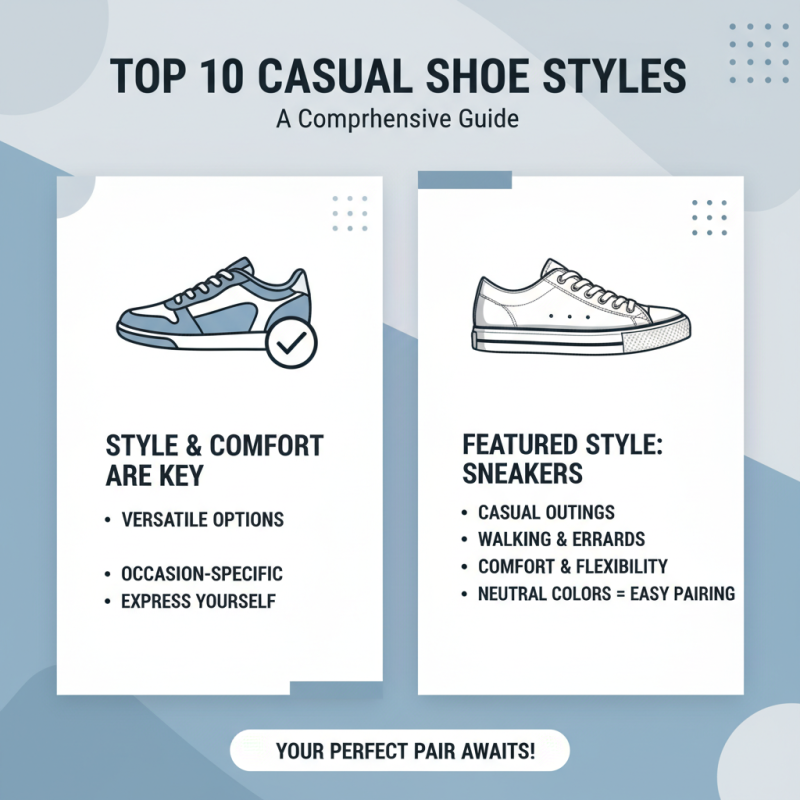
Top 10 Casual Shoe Styles: A Comprehensive Guide for Every Occasion
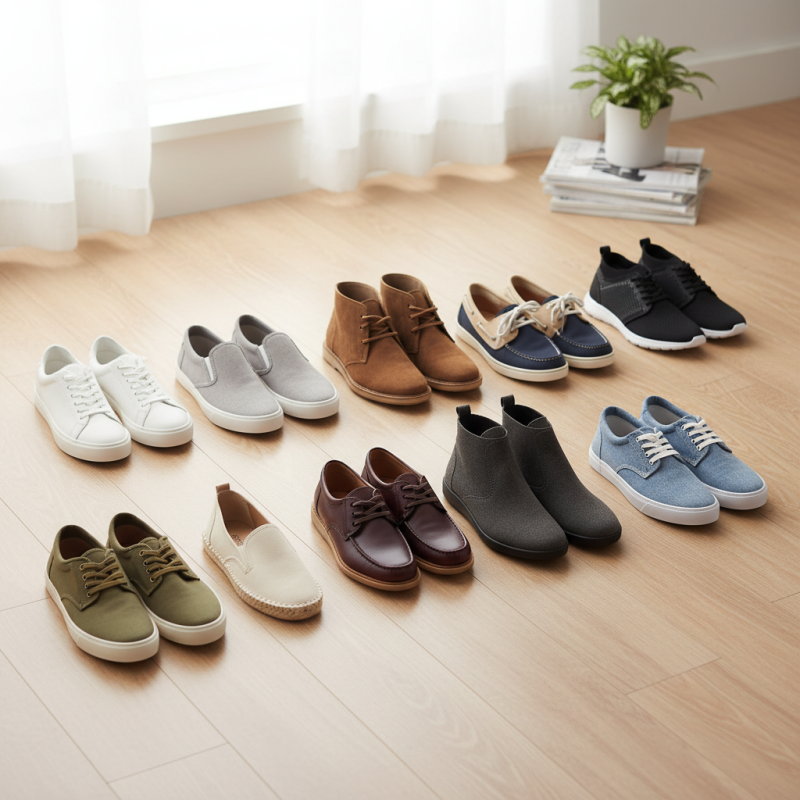
When choosing casual shoes, style and comfort are vital. Various occasions call for different footwear, and knowing your options makes a difference. Sneakers are perfect for casual outings. They offer comfort and flexibility for walking or running errands. Opt for neutral colors so they pair easily with any outfit.
Loafers represent a more refined choice. They work well for events like brunch or casual Fridays at the office. These shoes bring sophistication without being overly formal. Sandals provide breathability for warmer days. Look for supportive designs to ensure comfort. However, consider foot health. Certain sandals may lack arch support, which could lead to discomfort over time.
Ballet flats present a stylish option that can transition from day to night. They can be paired with dresses or jeans effortlessly. However, the flat design may not suit everyone, especially for long wear. Ankle boots can add flair to any outfit. They blend function with style but remember they might not suit every casual setting. It’s important to reflect on what you need for your activities. Embrace versatility while also focusing on your comfort and personal style.
Understanding the Importance of Comfort and Support in Casual Footwear
When choosing casual shoes, comfort and support are vital. They influence our daily activities and overall well-being. Without proper support, our feet can develop pain, leading to discomfort. The right shoes allow us to walk longer distances without fatigue.
Look for shoes that provide cushioning. A good insole can make a significant difference. Breathable materials are also important. They help keep feet cool and dry. Often, we overlook fit. A shoe that feels too tight or loose can cause blisters or aches. Always consider trying different styles.
Fashion and comfort sometimes clash. It’s tempting to choose trendy shoes, but prioritizing comfort is crucial. You may regret a stylish choice after a long day. A reliable shoe should not only look good but also support your foot structure. Aim for a balance that works for you.
Top 10 Casual Shoes for Every Occasion
This chart represents the importance levels of various factors when selecting casual shoes. Comfort and support are the most critical aspects, while weight and price play lesser roles in decision-making.
Analyzing Market Trends: Popular Casual Shoe Brands in 2023
In 2023, casual shoes continue to dominate the footwear market, reflecting shifting consumer preferences. According to a recent industry report, the casual shoe segment experienced a growth rate of 7% year over year. Sneakers and loafers are particularly popular, often appealing to diverse age groups. The rise of athleisure trends has expanded the demand for comfortable yet stylish options, making these shoes versatile.
Market analysis reveals that consumers prioritize sustainability. Around 45% of buyers prefer eco-friendly materials. Brands focusing on ethical production practices are gaining traction. Shoppers are increasingly aware of the environmental impact of their choices. However, data shows that some brands struggle to communicate their sustainable initiatives effectively. This gap in messaging can hinder their long-term success.
Pricing strategies also play a crucial role. Mid-range casual shoes account for nearly 55% of total sales. Consumers want quality but are often hesitant to pay premium prices. While this presents opportunities, it poses challenges for brands unable to meet consumer expectations. The casual shoe market reflects broader trends, but brands must continually adapt to remain relevant.
How to Choose the Right Material for Casual Shoes: A Professional Insight
When choosing casual shoes, the material plays a crucial role. Different materials offer varied levels of comfort and durability. According to industry reports, leather shoes tend to last longer but require maintenance. On the other hand, canvas shoes are more breathable, making them ideal for warm weather.
Tips: Always consider the climate. For warm locations, breathable materials are key. For colder regions, opt for insulation and sturdiness.
Synthetic materials have gained popularity due to their lightweight nature. However, they may lack the breathability of natural fibers. Research indicates that shoes made from fabric blends can provide a balance between comfort and durability.
Tips: Don't overlook the importance of the fit. A good fit can mitigate discomfort, even in less breathable materials. Try different sizes to find the best one for you.
Quality matters significantly. Investing in shoes from reputable manufacturers can ensure better materials and construction. This practice can save money in the long run, as high-quality shoes often last longer than cheaper counterparts. Consider your lifestyle and activity levels. Make sure your shoes can withstand daily use without compromising comfort.
Sizing and Fit: The Key Factors to Ensure Optimal Comfort in Casual Shoes
Finding the right casual shoes is essential for comfort and style. Proper sizing and fit significantly impact how you feel throughout the day. Shoes that are too tight can lead to blisters. Conversely, those that are too loose may cause instability. Aim for a snug fit that allows your toes to wiggle. Pay attention to the width as well. The shape of your foot can differ greatly from others.
Tips: Always try shoes on in the afternoon or evening. Feet swell throughout the day. Allow for this change when selecting your size. Walk around the store to assess comfort. Listen to your body’s signals during this process.
Materials also play a crucial role in fit. Soft, breathable fabrics tend to mold to your foot shape. Stiff materials may cause discomfort. Check for proper arch support. This is often overlooked but essential for prolonged wear. Remember, your comfort is paramount. Don’t settle for shoes that don’t feel just right.