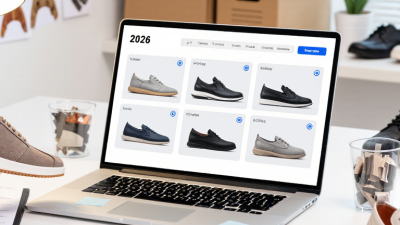
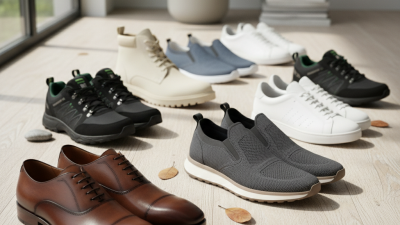
Choosing a reliable Chinese men’s shoe manufacturer takes more than comparing unit prices. Buyers need to examine product quality, production capacity, communication, and fit with their target market. This guide, “Top 10 China Mens Shoes Manufacturers for Global Buyers,” introduces manufacturers for different sourcing needs, from everyday leather footwear to casual and athletic styles. A useful comparison looks beyond polished product photos. Ask about material options, sample lead times, minimum order quantities, and how sizing is checked before shipment. Small details matter.
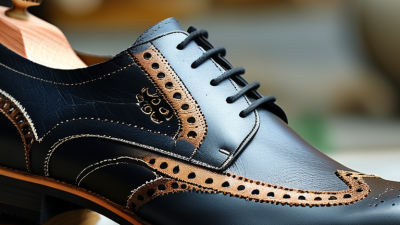
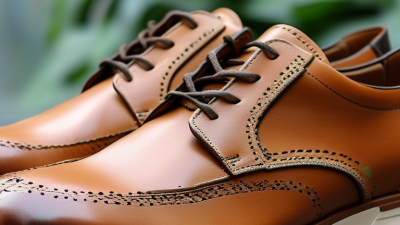
For buyers sourcing Chaussures Hommes, clear specifications can prevent costly misunderstandings. Share a size chart, reference materials, color standards, and packaging requirements before requesting a quotation. Then review a physical sample, paying attention to stitching, sole bonding, lining, and comfort after wear. A sample is informative, but it cannot guarantee every production pair will be identical. That judgment takes care.
The manufacturers featured here can serve as a starting point, not a substitute for independent checks. Confirm company details, request recent references where possible, and clarify inspection procedures, payment terms, and delivery timelines in writing. Ask how defects are handled. Also consider whether the supplier can support repeat orders with consistent materials and sizing. There is no single best factory for every buyer; the right choice depends on product goals, order volume, budget, and communication needs. Some answers may remain uncertain until samples and discussions reveal how a supplier works in practice.

China’s men’s shoe manufacturing sector combines large-scale production with dense supplier networks. The APICCAPS World Footwear Yearbook 2024 estimates that China made 12.3 billion pairs of shoes in 2023, about 55% of global output. That figure covers all footwear, not men’s shoes alone, so it should not be read as a men’s-specific market share. Still, it shows the industrial depth available to international buyers.
In manufacturing districts, factories can source uppers, soles, lasts, and packaging from nearby suppliers. That proximity may shorten sampling cycles and simplify production coordination. Buyers should still check material traceability, quality-control records, and how suppliers manage seasonal capacity. A polished sample is not proof of consistent bulk quality. Scale has limits. APICCAPS’ production data measures volume, not workmanship, delivery reliability, or factory conditions. The sector’s strength is its broad manufacturing base; its challenge is proving that each order meets the buyer’s specifications from first sample to final inspection.
This is a regional sourcing overview, not a ranked list of companies. It describes established footwear-manufacturing locations and related capabilities; individual factories may differ, so buyers should verify product range, standards, capacity, and export experience directly.
| No. | Manufacturing Location | Province or Municipality | Established Footwear Strength | Relevance to Men’s Shoe Buyers | Global Sourcing Consideration |
|---|---|---|---|---|---|
| 1 | Wenzhou | Zhejiang | Long-established footwear industry, including leather shoes, shoe components, and footwear machinery. | A useful location to explore for leather dress shoes, business-casual footwear, and related components. | Request samples and confirm leather specifications, construction method, and quality-control procedures with each factory. |
| 2 | Wenling | Zhejiang | Footwear manufacturing base with a broad range of everyday and casual footwear production. | May suit buyers seeking casual men’s shoes and value-oriented product lines. | Check material options, size grading, production capacity, and the factory’s experience with the destination market. |
| 3 | Jinjiang | Fujian | Major footwear and sporting-goods manufacturing area with an extensive footwear supply chain. | Relevant to men’s athletic, training, and sport-inspired footwear sourcing. | Verify performance claims and arrange testing for applicable requirements such as slip resistance or material safety. |
| 4 | Putian | Fujian | Significant footwear production center, particularly associated with athletic and casual footwear manufacturing. | Potential fit for men’s sneakers and other casual styles. | Use clear product specifications and confirm that all production and labeling comply with intellectual-property and import rules. |
| 5 | Guangzhou (including Huadu) | Guangdong | Fashion and leather-goods manufacturing area with footwear businesses and supporting suppliers. | Worth exploring for fashion-led men’s leather shoes and seasonal collections. | Confirm whether the supplier manufactures footwear in-house or coordinates production through subcontractors. |
| 6 | Dongguan | Guangdong | Export-oriented manufacturing city with footwear producers and a broad industrial supply base. | Potential source for men’s casual and sports-inspired footwear, depending on the factory. | Assess audit readiness, traceability, production planning, and experience meeting buyer-specific compliance requirements. |
| 7 | Huizhou | Guangdong | Part of Guangdong’s wider manufacturing network, which includes footwear production and export supply chains. | Can be considered for casual or athletic styles when a suitable factory is identified. | Ask for evidence of relevant product experience, export documentation capability, and quality-control systems. |
| 8 | Chongqing | Chongqing Municipality | Has a footwear manufacturing base and participates in China’s inland manufacturing and logistics network. | May offer options for men’s everyday footwear and production programs suited to inland sourcing. | Compare transport routes and lead times for materials and finished goods against coastal sourcing alternatives. |
| 9 | Chengdu (including the Wuhou area) | Sichuan | Known for a footwear industry and related local supplier networks. | Buyers can investigate men’s styles, but should confirm product specialization because local production is not limited to men’s footwear. | Evaluate the specific factory’s men’s product portfolio, tooling, sample quality, and ability to scale orders. |
| 10 | Ruian | Zhejiang | Recognized for footwear machinery and related industrial suppliers within Zhejiang’s footwear ecosystem. | Relevant to buyers assessing equipment, components, or the broader supply chain rather than assuming it is a finished-shoe cluster. | For finished footwear orders, verify the actual manufacturing site and identify any outsourced production steps. |