Top 10 China Rubber Shoe Manufacturers You Should Know?
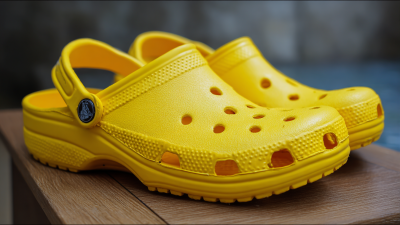
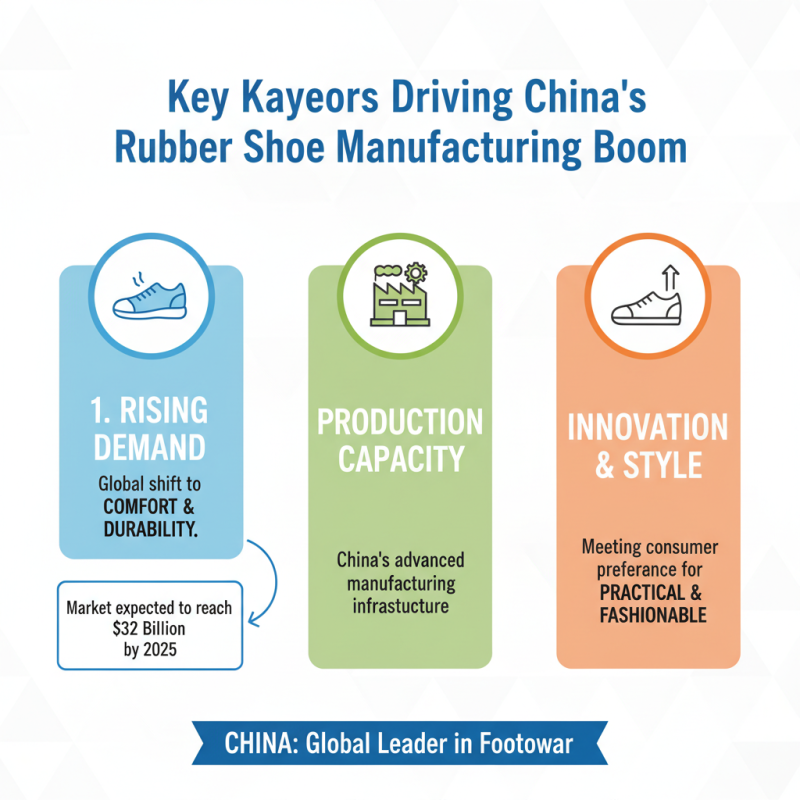
In recent years, rubber shoes have gained immense popularity worldwide. Known for their durability and comfort, these shoes are a staple in many people's wardrobes. The demand for high-quality rubber footwear continues to rise, especially in China, a leading producer.
China is home to numerous manufacturers specializing in rubber shoes. These companies vary in size and expertise. Understanding this landscape can help consumers make informed choices. Quality matters when selecting rubber shoes. The market offers both affordable options and premium products. It's essential to identify reliable manufacturers.
The rubber shoe industry also faces challenges. Many brands strive for sustainability, while others prioritize mass production. It raises questions about the environmental impact of production practices. Buyers must reflect on their choices. Overall, knowing reputable manufacturers enhances your shopping experience and ensures you invest in quality rubber shoes.
Overview of the Chinese Rubber Shoe Industry Landscape in 2023
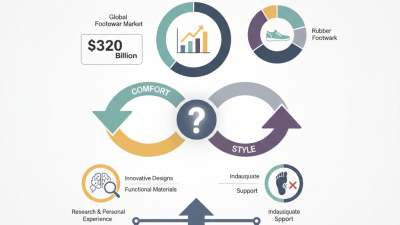
The Chinese rubber shoe industry has experienced significant growth in 2023. According to a recent report, the market size is expected to reach USD 16 billion by the end of the year. This rise reflects both domestic consumption and increased exports. The demand for comfortable and durable footwear continues to climb, driven by urbanization and a shift toward casual lifestyles.
However, several challenges persist within the sector. Sustainability is becoming a pressing issue. Many manufacturers face difficulties in sourcing eco-friendly materials. Additionally, competitive pressure from international brands complicates the market landscape. Industry players must refine their production processes. Innovation is critical to maintain market share and meet consumer expectations. As younger generations prioritize environmental consciousness, brands may need to rethink their strategies.
Moreover, the labor force in this industry is evolving. There is a noticeable shift toward automation and technology integration. This trend could enhance efficiency but might also lead to workforce reductions. Balancing traditional craftsmanship with modern methods will be essential for future success. Stakeholders need to pay attention to these changes and strategically adapt to challenges ahead.
Top 10 Leading Rubber Shoe Manufacturers with Market Share Insights
The rubber shoe industry in China is vibrant and diverse. Various manufacturers have established strong market positions. Their strategies are often shaped by innovation and consumer demand. Understanding their impacts can provide insights into market trends.
Analyzing market shares reveals interesting patterns. Certain manufacturers dominate key segments, while others cater to niche markets. This diversity highlights different approaches to production and marketing. Quality, design, and pricing are crucial factors influencing consumer choices. Many brands struggle to balance these elements effectively.
Challenges persist in this competitive landscape. Some manufacturers face issues with sustainability. As consumer awareness rises, the demand for eco-friendly products grows. This shift requires companies to adapt. Innovation often leads to better products, but not all manufacturers keep pace. This discrepancy may affect their future market share.
Innovations in Rubber Shoe Technology and Manufacturing Processes
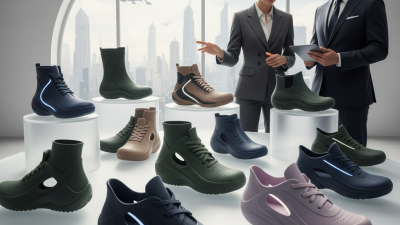
The rubber shoe industry in China is experiencing remarkable innovations. New technologies are transforming traditional manufacturing processes. For instance, 3D printing is becoming more common. This method provides precise designs and reduces material waste. Manufacturers are now producing shoes faster, enhancing efficiency.
Sustainability is another crucial aspect. Companies are exploring eco-friendly materials, such as recycled rubber. This shift aims to minimize environmental impact. Many manufacturers face challenges when sourcing these sustainable alternatives. Cost and accessibility remain significant hurdles. Moreover, balancing quality and affordability is complex.
Investment in smart technologies is also on the rise. Smart insoles and temperature-regulating materials improve comfort and performance. However, integrating these technologies into production is difficult. Companies need skilled labor to implement these changes. While advancements are promising, innovation often comes with growing pains. Adapting to market demands while ensuring sustainability presents ongoing challenges.
Sustainability Trends in China's Rubber Shoe Production and Their Impact
The rubber shoe industry in China is witnessing a significant shift towards sustainability. Many manufacturers are adopting eco-friendly practices to minimize environmental impact. This includes the use of recycled materials and sustainable rubber sourcing. Innovations in production processes are also emerging. For instance, some companies are exploring waterless dyeing techniques to reduce water consumption.
However, challenges remain. Not all manufacturers prioritize sustainability, which raises questions about industry-wide standards. The transition to greener practices can be slow and costly. Many companies struggle with balancing profit margins and eco-friendly initiatives. Without proper regulation, the market may face greenwashing claims where brands exaggerate their sustainability efforts.
Consumer awareness is growing. Shoppers are increasingly seeking sustainable options, influencing manufacturers to adapt. This demand can drive positive change. Yet, it is essential to ensure that such trends are backed by genuine efforts rather than mere marketing strategies. The future of China’s rubber shoe production hinges on real commitment to sustainability, not just superficial changes.
Top 10 China Rubber Shoe Manufacturers You Should Know
| Manufacturer Rank |
Annual Production (Million Pairs) |
Sustainability Score (out of 10) |
Percentage of Recycled Materials Used |
Certifications |
| 1 |
50 |
8.5 |
30% |
ISO 14001, BSCI |
| 2 |
40 |
7.8 |
25% |
Green Mark, GRS |
| 3 |
35 |
8.0 |
40% |
SA8000, OEKO-TEX |
| 4 |
30 |
7.5 |
35% |
ISO 9001, Fair Trade |
| 5 |
25 |
8.3 |
45% |
ISO 14001, WRAP |
| 6 |
20 |
7.0 |
20% |
BSCI, STeP |
| 7 |
15 |
6.8 |
10% |
ISO 9001, Fair Trade |
| 8 |
10 |
7.2 |
15% |
SA8000, GRS |
| 9 |
5 |
6.5 |
5% |
ISO 14021, Fair Trade |
| 10 |
2 |
5.8 |
3% |
Global Recycle Standard |