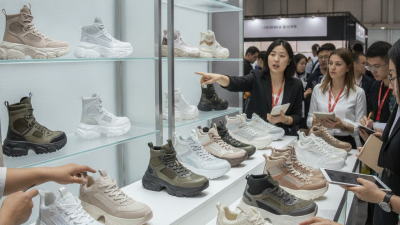
What Are the Top China Running Shoes for Global Buyers?
Choosing the right Running Shoes from China requires more than comparing prices, colors, or factory claims. Global buyers need evidence, consistency, and a clear understanding of different runners’ needs. A lightweight road shoe may suit a marathon trainee, while a reinforced trail model may better handle wet stones and uneven ground. The details matter.
Dr. Irene Davis, a respected running biomechanics researcher, has emphasized, “There is no one-size-fits-all approach to running.” Her observation should guide every sourcing decision. Buyers must examine cushioning, heel-to-toe drop, outsole rubber, upper breathability, and foot-shaped fit. They should also review wear testing, material certificates, factory audits, and production samples. A polished product page is not enough.
China’s footwear sector offers impressive manufacturing depth. It can support large orders, rapid design changes, and competitive development costs. Yet quality can vary between suppliers, even when their catalogs look similar. One sample may feel stable on a dry track but slip on painted pavement. That weakness may appear only after several weeks. I have seen buyers focus too heavily on appearance and overlook midsole compression, sizing accuracy, or carton protection. That approach needs reconsideration.
This guide evaluates leading China Running Shoes for international buyers through practical standards. It considers performance, comfort, durability, supply reliability, and transparent communication. It also recognizes an uncomfortable truth: no model wins for every market. Climate, runner weight, training surface, and local preferences can change the result. The strongest choice is not always the cheapest one. It is the shoe that performs consistently, meets responsible sourcing expectations, and survives real-world use.
China’s Leading Running Shoe Brands for International Buyers
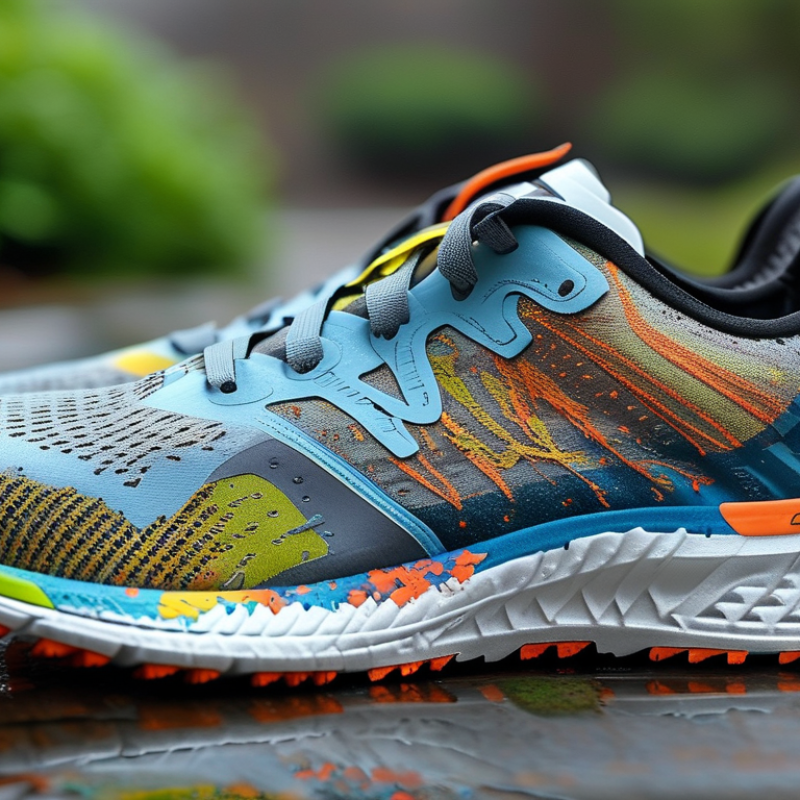
For global buyers, China’s leading running shoe brands are increasingly defined by testing, fit, and production discipline. The World Footwear 2024 Yearbook estimates that China produced about 55% of the world’s footwear in 2023. This scale gives established Chinese suppliers strong access to materials, tooling, and export logistics. Yet production volume does not guarantee a good running shoe. Fit matters.
Serious buyers should request evidence for cushioning durability, outsole abrasion, upper tear strength, and factory quality controls. ISO 20347 is designed for occupational footwear, not running shoes, so it should not be treated as complete performance proof. More useful evidence includes laboratory reports, repeated wear tests, and clear sizing data from actual runners. The International Federation of Sports Medicine has repeatedly linked suitable footwear and gradual training with safer running habits. A reliable supplier should discuss both comfort and limitations.
Chinese performance labels now offer lightweight foams, breathable engineered uppers, carbon-infused plates, and rubber compounds for wet roads. These features can compete internationally, but they need local validation. A shoe tested on a dry indoor track may behave differently on tropical pavement or winter asphalt. Ask for samples in several sizes. Ask for independent test records. Some suppliers still describe “energy return” too broadly, and buyers should remain skeptical. My own review process would include a 100-kilometre wear trial, because early comfort can hide later heel compression. Price is useful evidence, but never enough.
What Are the Top China Running Shoes for Global Buyers? - China’s Leading Running Shoe Brands for International Buyers
| Product Category |
Typical Use |
Typical Weight
Per Shoe |
Heel-to-Toe Drop |
Cushioning Profile |
Outsole Requirement |
Best Buyer Segment |
International Buying Considerations |
| Daily Training Shoes |
Road running, walking and regular fitness training |
Approximately 230–320 g in a standard men’s size |
Typically 6–12 mm |
Balanced cushioning with moderate flexibility |
Durable rubber in high-wear heel and forefoot areas |
Retailers seeking a versatile, high-volume product |
Confirm size conversion, upper materials, carton dimensions and abrasion-test results before ordering. |
| Max-Cushioning Shoes |
Long-distance road running and comfort-focused walking |
Approximately 270–350 g in a standard men’s size |
Typically 6–10 mm |
High-volume foam platform designed to reduce perceived impact |
Full or extended rubber coverage for improved service life |
Comfort-oriented consumers and specialty running stores |
Check heel-counter support, foam rebound after compression and package volume for freight calculations. |
| Stability Running Shoes |
Road running for users requesting additional guidance and support |
Approximately 280–360 g in a standard men’s size |
Typically 8–12 mm |
Structured midsole with a stable base and controlled flexibility |
High-abrasion rubber with a broad contact area |
Buyers serving comfort, support and walking-focused markets |
Avoid medical-performance claims unless supported by appropriate testing and local advertising rules. |
| Lightweight Performance Trainers |
Tempo runs, interval sessions and recreational races |
Approximately 190–270 g in a standard men’s size |
Typically 4–8 mm |
Responsive foam with a firmer, faster-feeling ride |
Strategic rubber coverage to balance grip, weight and durability |
Performance retailers and experienced recreational runners |
Request independent weight checks, flex testing and confirmation of plate materials where applicable. |
| Trail Running Shoes |
Unpaved paths, gravel roads and mixed-terrain running |
Approximately 260–380 g in a standard men’s size |
Typically 4–10 mm |
Protective cushioning with increased underfoot stability |
Rubber lugs commonly measuring about 3–5 mm for traction |
Outdoor retailers and buyers targeting off-road users |
Specify lug pattern, toe protection, water-resistance test method and outsole compound in the purchase order. |
| Entry-Level Training Shoes |
Beginner running, gym use and everyday casual wear |
Approximately 250–360 g in a standard men’s size |
Typically 6–12 mm |
Moderate foam cushioning with a stable, forgiving platform |
Cost-efficient rubber or rubberized compound in key wear zones |
Mass-market distributors and private-label importers |
Prioritize consistent sizing, colorfastness, packaging compliance and landed-cost control. |
Buyer Note: The specification ranges above are brand-neutral market benchmarks for product comparison, not claims about any individual manufacturer. Final specifications should be confirmed through samples, laboratory reports and a signed purchase order. Weight references use one shoe in a standard men’s size; actual values vary by size, materials and construction.
Key Features to Compare in Chinese Running Shoes
For global buyers, Chinese running shoes should be compared by construction, not appearance alone. Start with cushioning, heel-to-toe drop, weight, and outsole rubber. Softer foam may feel comfortable during a short fitting, but it can lose stability on long runs. Firmer foam often supports heavier runners, although it may feel less forgiving.
Check the upper carefully. Breathable mesh helps in humid climates, while reinforced panels can improve durability around the toes. The heel counter should hold the foot without pressing the Achilles tendon.
Examine stitching, glue marks, and insole alignment. These small details reveal manufacturing consistency. Ask suppliers for independent test reports, material specifications, and quality-control records.
A product page is useful, but it is not complete evidence. Compare laboratory data with real user feedback and clear return terms.
Tips:
Measure both feet late in the day. Leave a thumb’s width in front of the longest toe. Test shoes on the surface you usually run on. Do not trust weight figures without checking the tested size. I once focused too much on foam softness and overlooked heel movement. That mistake made the shoe tiring after several kilometers. Fit, durability, climate, and running style must be judged together. No model wins every test.
Top China Running Shoes by Running Style and Performance Needs
What Are the Top China Running Shoes for Global Buyers?
Top China running shoes should be matched to running style, surface, and performance needs. The 2024 SFIA Topline Participation Report recorded about 50.7 million U.S. road runners in 2023. That broad market includes beginners, marathoners, and casual joggers. Their footwear needs are not identical.
For daily road running, choose moderate cushioning, a stable heel, and breathable mesh. A rubber outsole should cover high-wear areas under the heel and forefoot. For tempo sessions, lighter shoes with firmer foam can improve ground response. However, aggressive stiffness may feel tiring during easy miles. It is a trade-off.
For trail routes, buyers should inspect lug depth, toe protection, and wet-surface grip. The 2024 Strava Year in Sport report showed continued growth in active training and recorded activities, but app data cannot measure shoe durability. This matters. For wide feet or humid climates, examine the actual last shape, upper ventilation, and drainage design. Do not trust “wide fit” wording alone. Independent testing from RunRepeat has repeatedly shown meaningful differences in fit, weight, and outsole performance between similar-looking models. Ask for measured data.
Global buyers should request laboratory or field-test evidence, including shoe weight, heel-to-toe drop, outsole abrasion, and cushioning change after 300–500 kilometers. China’s footwear manufacturing depth can support strong value, but quality may vary between factories and batches. That deserves honest checking. Personally, I would test one pair before placing a large order. A polished specification sheet is not proof of long-term comfort.
Sizing, Materials, and Quality Checks for Global Purchases
Global buyers often compare China-made running shoes by fit before price. I have found that sizing charts are only starting points. Measure both feet in the afternoon, when swelling is more likely. Record heel-to-longest-toe length and forefoot width. Compare these measurements with the seller’s chart, not a familiar local size. A five-millimeter difference can change comfort during a long run. Leave about 8 to 12 millimeters of toe space. Narrow lasts may feel fast, but they can create pressure near the little toe.
Materials deserve close inspection. Ask whether the upper uses engineered mesh, knitted textile, or synthetic film. Mesh should bend without sharp creases. The midsole should compress slowly and recover evenly. Press several areas, not just the heel. Outsoles need rubber coverage in high-wear zones, especially the heel and forefoot. Request clear photos of stitching, glue lines, insoles, outsole thickness, and the size label. I once trusted attractive product photos and missed a weak seam. One sample can expose problems, but it cannot prove long-term durability. That limitation matters.
Tips: Check production measurements against the approved sample. Test shoes on clean, dry pavement first. Keep notes on fit, odor, flex, and heel movement. Independent lab reports can help, but verify their scope, issuing laboratory, and date. If the seller avoids simple material questions, pause the purchase. Ask for packaging dimensions and net weight too. Unexpected changes may signal a different product.
Where International Buyers Can Source China Running Shoes
International buyers can source China running shoes through direct factory outreach, verified B2B platforms, sourcing agencies, and footwear trade fairs. Direct contact often provides better pricing, but it requires careful factory screening. Ask for production photos, export history, material details, and recent compliance documents. A polished website is not enough evidence.
Request samples before discussing large orders. Check the outsole grip on wet tile, stitching around the toe box, heel stability, and insole comfort after several hours. Measure each sample against your target size chart. Small differences can create costly returns. Buyers should also confirm minimum order quantities, sample fees, production timelines, packaging, and shipping terms in writing.
Factory audits can reveal useful details. Look at worker safety, quality checkpoints, storage conditions, and the separation of finished goods from raw materials. Independent laboratory testing may be appropriate for materials, colorfastness, and restricted substances. Requirements vary by destination, so local legal advice remains important. Do not rely only on a supplier’s translated documents. Some factories may outsource part of production, which can affect consistency. That risk is easy to miss. Leave time for a second sample round, because the first version may feel excellent but fail during repeated wear. Language, time zones, and payment procedures can also slow decisions, so clear records matter.
China Running Shoes: Global Buyer Size Reference
EU sizing is widely used by footwear suppliers in China and international buyers. The chart shows approximate foot-length references for common adult running-shoe sizes; buyers should confirm the supplier’s measurement chart before placing an order.
Reference basis: approximate adult footwear sizing commonly used in international footwear trade. Actual fit may vary by last shape, cushioning, sock thickness, and supplier specification.