Shose expert

15 Years Manufacturing Experience
DSC00533

10 Best Running Shoes for Global Buyers?

Choosing the right Running Shoes can feel surprisingly difficult when you shop across borders. Foot shapes, sizing systems, climates, and running surfaces vary widely. A shoe that feels perfect on dry pavement may feel unstable on wet streets. A lightweight racing model may also become uncomfortable during long airport walks.

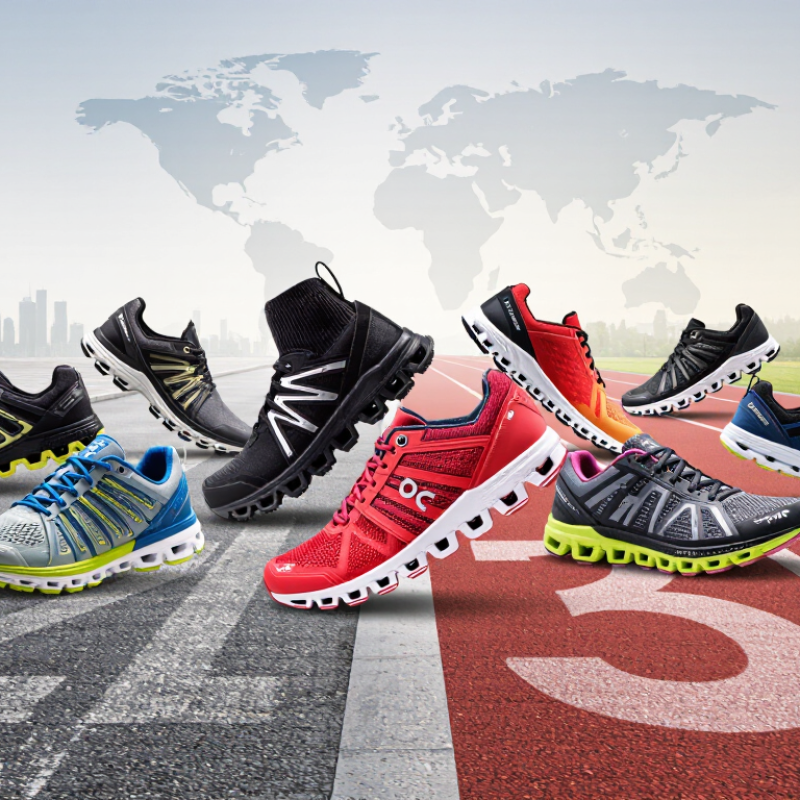
This guide, “10 Best Running Shoes for Global Buyers,” examines practical choices for beginners, regular runners, and experienced athletes. Each model is considered through cushioning, stability, breathability, durability, traction, and overall value. We also consider international sizing, brand consistency, shipping access, warranty terms, and return policies. These details matter when a purchase travels thousands of miles before reaching your door.

Real-world comfort remains more important than impressive marketing. We look at how shoes perform during easy runs, longer sessions, and daily movement. Small details matter. A firm heel counter can reduce slipping. A flexible forefoot can make stairs feel easier. However, no universal winner exists. Feet differ, and personal preferences can challenge even careful testing. I have sometimes preferred a less popular model after several uncomfortable miles, which is a useful reminder that reviews cannot replace personal fit.

The recommendations aim to offer balanced, evidence-informed guidance rather than absolute answers. Product specifications, independent reviews, and user feedback all help shape the evaluation. Still, materials and prices may change between countries. Check current information before buying. A thoughtful choice should match your body, routine, location, and realistic budget.
10 Best Running Shoes for Global Buyers?

What Defines a High-Quality Running Shoe for Global Buyers

A high-quality running shoe should protect your feet without controlling every movement. For global buyers, comfort begins with accurate sizing. Measure both feet in the evening, when swelling is more likely. Leave about one thumb’s width ahead of the longest toe. A secure heel matters too, especially during downhill running.

Materials should match the runner’s environment. Breathable mesh can help in hot, humid cities, while water-resistant uppers suit wetter routes. However, extra protection may reduce ventilation. The midsole should feel supportive, not extremely soft by default. Experienced runners often judge cushioning after several kilometers, not during a quick store test. A durable outsole also matters on rough pavement, indoor tracks, and mixed surfaces. Check return policies, size charts, and regional measurements before buying. These details are boring, but they prevent expensive mistakes.

Tips: Wear the socks used for running. Test both shoes on stairs or a short walk. Check whether your toes can spread naturally. Do not trust marketing claims alone; look for clear material details and independent reviews. I sometimes prefer a less impressive-looking shoe because it feels stable for longer. That choice is personal, and imperfect. Feet differ, routes differ, and one “best” shoe cannot suit everyone.
Key Shoe Features for Different Running Styles and Terrains

Choosing among ten running shoes starts with your running pattern, not appearance. Road runners need smooth, flexible soles and moderate cushioning for repeated pavement impact. Daily trainers should bend near the toes, while the heel should feel stable during slower miles. Leave a thumb’s width ahead of the longest toe. Try shoes late in the day. Feet often swell then. A perfect morning fit may feel painful after six kilometers.

Trail runners need dependable grip for wet roots, loose gravel, and muddy paths. Deeper lugs improve traction, but they can feel awkward on clean pavement. Rocky routes may require a protective layer beneath the foot. Runners who prefer natural ground contact might choose lower cushioning and greater flexibility. However, minimal protection can punish tired feet. I learned this difference after using a light trail shoe on sharp, dry stones.

Your stride also matters. A neutral runner may prefer balanced cushioning, while an overpronating runner may need structured support. Stability should guide the foot without creating pressure along the arch. Check heel movement, tongue comfort, and toe-box width with your usual socks. Global buyers should consider heat, rain, cold, and local surface conditions. Breathable mesh suits humid roads, while water-resistant materials help during light rain. Test specifications against independent reviews, not marketing language alone. Some claims sound impressive but reveal little about durability. A return option is useful when sizing systems differ between countries.

10 Best Running Shoes for Global Buyers? - Key Shoe Features for Different Running Styles and Terrains

No. Shoe Type Best Running Style Recommended Terrain Heel-to-Toe Drop Typical Weight Cushioning Stability Key Features Ideal Buyer
1 Daily Road Trainer Easy runs and regular training Paved roads, sidewalks and treadmills 6–10 mm 250–310 g Medium–High Neutral Balanced foam, durable rubber coverage, breathable upper and comfortable fit for frequent use. Most runners seeking one versatile pair for everyday mileage.
2 Maximum-Cushion Trainer Long, relaxed and recovery runs Hard pavement and compact urban paths 6–10 mm 280–340 g Very High Neutral High foam volume, broad platform, soft impact protection and a smooth heel-to-toe transition. Runners prioritizing underfoot comfort over minimum weight.
3 Stability Trainer Daily training with support needs Roads, sidewalks and indoor tracks 8–12 mm 270–330 g Medium–High Guided Medial guidance or sidewall geometry, structured heel counter and a stable, non-narrow platform. Runners who prefer additional guidance or a more controlled foot motion.
4 Lightweight Tempo Trainer Tempo runs, intervals and progression runs Smooth roads and tracks 5–8 mm 210–270 g Medium Neutral Responsive foam, flexible forefoot, secure midfoot and a lighter construction for faster efforts. Runners wanting one shoe for workouts and moderately fast daily runs.
5 Racing Super Trainer Fast long runs and road racing Paved roads and certified road-race courses 4–8 mm 210–280 g High Neutral Lightweight resilient foam, curved rocker, race-oriented geometry and a durable enough outsole for training. Experienced runners seeking speed without using a highly specialized race shoe every day.
6 Carbon-Plated Race Shoe Road races and personal-best attempts Smooth, hard road surfaces 4–8 mm 180–240 g High Neutral Rigid plate or composite propulsion element, high-rebound foam, low weight and race-focused upper. Runners comfortable with firm, aggressive geometry and limited everyday durability.
7 Road-to-Trail Hybrid Mixed-surface training and travel running Asphalt, gravel, parks and hard-packed trails 5–8 mm 260–320 g Medium Neutral Moderate multi-directional lugs, flexible sole, protective toe area and road-friendly cushioning. Global travelers and runners who alternate between streets and maintained trails.
8 Technical Trail Shoe Trail training and mountain running Rock, roots, mud and uneven singletrack 4–8 mm 270–350 g Medium–High Neutral 4–6 mm lugs, reinforced upper, rock protection, secure heel hold and a durable high-traction outsole. Runners who need grip, protection and confidence on technical terrain.
9 Wet-Weather Trail Shoe Rainy-weather trail runs and muddy routes Wet grass, soft mud, damp soil and slippery paths 4–8 mm 290–370 g Medium Neutral Deep spaced lugs, water-resistant materials, drainage design and a reinforced toe cap. Runners in tropical, temperate or frequently wet climates who value traction.
10 Minimalist / Low-Stack Shoe Short runs, drills and natural-foot-strength work Smooth roads, tracks and clean firm trails 0–4 mm 170–240 g Low–Medium Neutral Thin flexible sole, wide toe box, low heel-to-toe offset and strong ground feedback. Experienced runners who have gradually adapted to lower cushioning and flexible footwear.

Specifications are typical ranges for each shoe category. Actual fit, cushioning feel, traction and durability vary by construction, size, foot shape and running conditions.

How to Compare Cushioning, Stability, Fit, and Durability

For global buyers, cushioning should match your route, pace, and body feedback, not marketing language. World Athletics’ 2024 regulations limit road-racing shoes to a 40-millimeter stack height and one rigid plate. That rule is not a comfort guarantee. A tall midsole may soften heel strikes, but it can also feel unstable on uneven pavement. Press one shoe at the forefoot and heel. Compare compression, not just softness.

Stability is easier to judge while walking. Your heel should remain centered, with no edge rolling. Fit needs more attention across borders. Leave roughly a thumb’s width ahead of the longest toe, and check width after ten minutes. Feet often swell during long runs. Too-tight uppers create hot spots quickly. Industry participation data from the 2024 SFIA Topline Report recorded more than 50 million U.S. running and jogging participants, showing why one universal fit is unrealistic. Durability requires evidence. Inspect outsole rubber thickness, stitching, and exposed foam. World Athletics’ rules do not measure daily wear. A laboratory abrasion score helps, but it cannot fully predict your roads, climate, or stride. I once trusted a firm heel counter too much; it felt supportive indoors, then rubbed during a humid 15-kilometer run. My comparison was incomplete. Use return policies carefully, and record discomfort after each test run.

Regional Sizing, Climate, Pricing, and Availability Considerations

10 Best Running Shoes for Global Buyers?

Regional Sizing, Climate, Pricing, and Availability Considerations

Choosing running shoes across borders requires more than comparing cushioning and tread. Regional sizing systems can differ by half a size or more. Measure both feet in the evening, then compare centimeters with the seller’s chart.

My own mistake was trusting a familiar size overseas. The toe box felt fine indoors, but downhill running caused painful pressure.

Climate changes the decision. Hot, humid streets need breathable uppers and quick-drying linings. Wet routes need dependable traction, although aggressive tread may feel uncomfortable on smooth pavement. In cold regions, thicker socks can change the fit. Leave roughly one thumb’s width before the longest toe.

Pricing also needs careful checking. A low listing price may exclude shipping, taxes, return fees, or currency charges. Availability matters just as much. A popular model may be easy to find in one country and unavailable elsewhere. That makes local stock, warranty terms, and return windows part of the shoe’s real value.

There is no universal top ten. A lightweight road shoe may suit dry sidewalks but fail on muddy paths. A durable daily trainer may cost more initially, yet last longer under frequent use. Read recent customer feedback from your climate, not only global ratings. Reviews can mislead. Availability can change quickly. Through practical fitting experience, I have learned that comfort after several kilometers matters more than impressive specifications.

How to Choose the Best Running Shoe for Your Personal Needs

Choosing the best running shoe starts with your body, route, and routine, not a popular label. A 2024 Sports & Fitness Industry Association report recorded more than 50 million U.S. running and jogging participants. That number reflects very different needs. A beginner running twice weekly may value soft cushioning and easy flexibility. A trail runner needs grip, protection, and a stable heel. An experienced racer may prefer a lighter, firmer design.

Measure both feet late in the day. Feet often swell slightly after walking. Leave about one thumb’s width before the longest toe. Your heel should stay secure when you walk uphill. Try the shoes with your usual socks. Walk, jog, and stop sharply. Notice pressure around the toes, arch, and Achilles area. Comfort matters more than a dramatic first impression. Research reviews in the British Journal of Sports Medicine have not shown that one shoe structure prevents injuries for every runner. That finding is easy to overlook.

Match the shoe to your actual surface. Smooth pavement, wet paths, and loose gravel demand different traction. Check the outsole after several runs, especially if rubber wears unevenly. The American College of Sports Medicine emphasizes gradual training changes and suitable footwear, but “suitable” remains personal. I would not trust a rigid rule about replacing shoes after one fixed distance. Body discomfort, flattened cushioning, and altered stride offer better clues. Still, my own judgment can be wrong. A short trial period and honest feedback from a qualified running specialist may reveal problems that a mirror cannot.