2026 Top Snow Boots for Global Buyers?
Choosing the right Snow Boots for global buyers is less about appearance and more about surviving real winter conditions. A boot that feels warm in a showroom may become stiff on a frozen sidewalk, slippery near a train station, or uncomfortable after eight hours of walking. Buyers should examine insulation, waterproof construction, outsole traction, fit, weight, and repairability. Climate matters, too. Wet coastal winters demand different protection from dry, deep-freeze environments.
Footwear materials specialist Dr. Matthew Bruns explains, “A winter boot must protect the foot without making movement feel difficult.” That principle sounds simple. It is often missed. Heavy insulation can reduce flexibility, while aggressive lugs may feel awkward indoors. Our 2026 guide compares Snow Boots across practical conditions, including slush, packed snow, icy pavement, and long urban commutes. We also consider regional sizing, material transparency, packaging, and dependable supply for international buyers.
No single pair wins everywhere. That is the uncomfortable truth. A boot designed for northern Canada may feel excessive in Seoul or Amsterdam. Some waterproof claims may also depend on testing methods and careful use. This guide therefore avoids impressive labels alone. Instead, it looks at measurable details, field experience, and the small weaknesses that buyers should notice before placing large orders.
What Makes Snow Boots Suitable for Global Buyers in 2026
2026 Top Snow Boots for Global Buyers
What Makes Snow Boots Suitable for Global Buyers in 2026
Global buyers need snow boots for varied winter conditions, not one imagined climate. The World Meteorological Organization reported that 2024 was the warmest year recorded, at about 1.55°C above the pre-industrial average. Warmer winters can still bring sudden snow, freezing rain, and wet slush. Therefore, versatile protection matters more than extreme insulation alone.
A suitable boot should combine waterproof construction, breathable lining, flexible insulation, and tested traction. Look for a clearly stated temperature rating, but treat it as guidance. Testing methods differ, and personal activity changes warmth needs. A commuter standing on icy pavement needs different support from a traveler walking through deep powder. ASTM F2913-based slip testing can provide useful evidence, although laboratory results cannot fully represent every sidewalk.
Material durability also affects global value. Grand View Research estimates the global footwear market will continue growing through 2030, increasing pressure for dependable products and clearer specifications. Buyers should check seam sealing, outsole rubber, removable footbeds, and repair options. Packaging and sizing information should support different markets without confusing conversions.
A perfect boot does not exist. I would not trust impressive insulation claims without test details. A lighter boot may feel better during travel, yet lose warmth during long outdoor waits. The best choice balances local weather, walking habits, foot shape, and after-sales support. Small details matter: dry socks, secure laces, and enough toe space can change winter comfort.
2026 Top Snow Boots for Global Buyers
What makes snow boots suitable for global buyers in 2026? Local snowfall conditions are a practical starting point: deeper-snow markets generally require taller shafts, stronger waterproofing and more aggressive traction.
Average annual snowfall is shown in centimetres using representative long-term climate normals. Actual totals vary by location and year.
Buying insight: Buyers in high-snowfall markets should look for waterproof construction, insulated linings, tall cuffs and deep-lug outsoles. In lower-snowfall urban markets, lighter insulation, flexible midsoles and reliable wet-surface grip may provide greater everyday comfort.
Key Snow Boot Types and Their Best Winter Uses
2026 Top Snow Boots for Global Buyers?
Key Snow Boot Types and Their Best Winter Uses
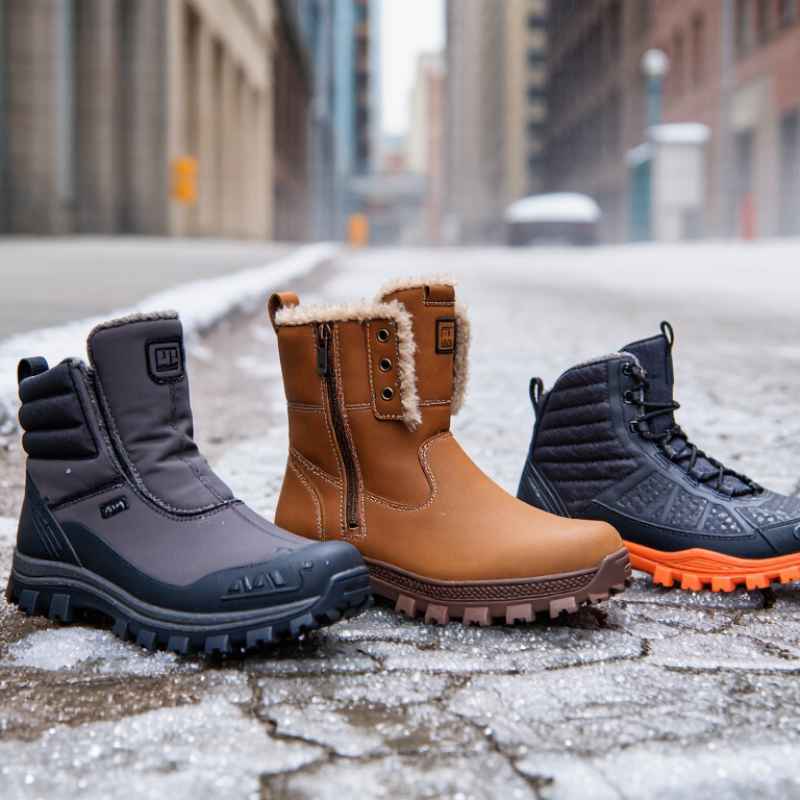
Snow boots serve different winter problems, so buyers should match construction with local weather. Insulated waterproof boots work well for wet snow, slush, and daily commuting. Look for sealed seams, a gusseted tongue, and a rubber outsole with deep lugs. These details matter when sidewalks become icy and dirty.
For deep cold, choose boots with thicker insulation and room for wool socks. A tight fit can reduce warmth by restricting circulation. Removable liners are useful in regions where boots must dry overnight. Pac-style boots, with a waterproof lower shell and flexible upper, suit mixed snow and rain. They are practical for school runs, outdoor work, and short errands.
Use lightweight winter boots for cleared roads and brief urban trips. Their thinner insulation feels comfortable indoors but may fail during long exposure. Mountaineering-style snow boots provide stronger ankle support, firmer soles, and better grip on uneven trails. They suit hiking, frozen slopes, and heavy snow conditions, but feel excessive for ordinary commuting.
Check the temperature rating carefully. Testing methods differ between manufacturers and climates. A boot rated for extreme cold may still feel cold with thin socks or poor circulation. During winter fittings, I have seen buyers choose oversized boots for comfort. That choice sometimes caused heel movement and blisters. A secure heel, flexible toe space, and dry interior usually matter more than impressive numbers.
How to Compare Materials, Sizing, Comfort, and Durability
2026 Top Snow Boots for Global Buyers?
How to Compare Materials, Sizing, Comfort, and Durability
Choosing snow boots requires more than checking insulation labels. I compare materials, fit, and construction under realistic winter conditions. Full-grain leather can resist abrasion, but it needs regular waterproof treatment. Synthetic uppers usually dry faster and may feel lighter. Sealed seams matter because melted snow often enters through stitching, not the main fabric. Look for a tested waterproof membrane and a thick, flexible outsole with clear traction patterns.
Sizing differs across countries and manufacturers. Measure both feet while wearing winter socks, preferably late in the day. Leave roughly one centimeter for toe movement, but avoid excessive space. A loose heel causes blisters and reduces walking control. Comfort also depends on weight, ankle support, lining softness, and the boot’s bending point. I once chose a heavily insulated pair that felt warm indoors, yet became tiring after a long outdoor walk. Warmth alone was not enough.
Tips:
Check size charts in centimeters, not only local numbers. Test boots on stairs and uneven floors before removing tags. Press around the toe box and heel. Review return conditions, especially for international orders. Durability is difficult to judge from photographs, so inspect sole bonding, eyelets, zipper protection, and insulation recovery after compression. Some product descriptions sound precise but remain vague. That is worth questioning.