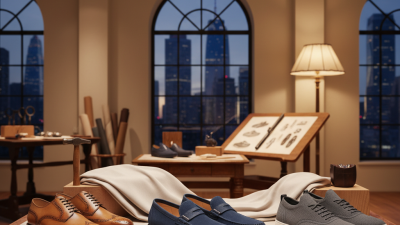
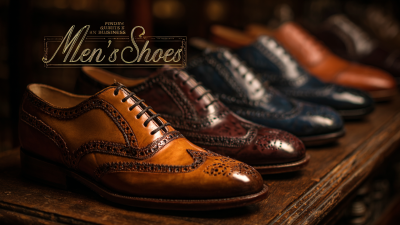
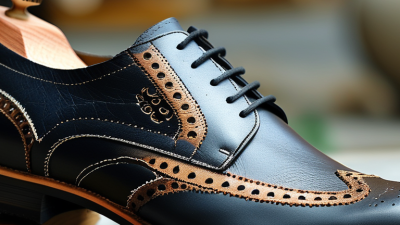
Men’s shoes in 2026 are judged by more than a sharp silhouette. Comfort, durability, and the ability to move between work and weekends matter too. A clean leather sneaker may suit a commute, while a cushioned runner feels better on long city walks. Small details count: the heel shape, the grip underfoot, and whether the upper creases after a few wears.
The phrase “Shoes Men New Style 2024” still reflects a useful question: which trends remain wearable beyond one season? Grand View Research valued the global footwear market at USD 387.74 billion in 2023 and projected a 4.3% compound annual growth rate from 2024 to 2030. That figure covers footwear broadly, not men’s styles alone, so it should be treated as context rather than a forecast for this list. Footwear designer Christian Louboutin once said, “A shoe has so much more to offer than just to walk.” His observation fits the choices ahead: style matters, but so do fit and function. Fit comes first. This guide compares ten emerging men’s shoe styles through practical details, including materials, comfort, versatility, and care. Trends can be persuasive in a product photo and disappointing after a full day on your feet. That is worth remembering. No single pair suits every wardrobe, budget, or commute, and even a well-made shoe may need breaking in.
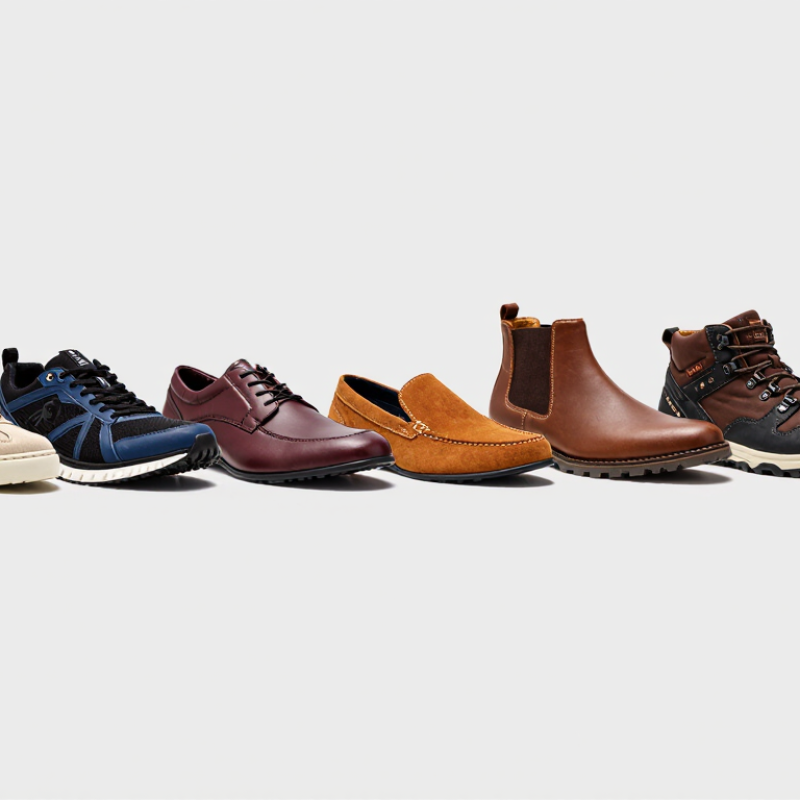
A new-style men’s shoe in 2026 is not defined by a futuristic shape alone. It earns the label by balancing a current silhouette with comfort, durability, and everyday usefulness. Look at the details: a flexible sole that bends under the forefoot, a padded heel that does not rub, and stitching that stays even around high-stress areas. Materials should feel appropriate to the shoe’s purpose, not merely impressive in a product photo. A breathable knit may suit long walks, while a firmer leather upper can offer more structure. Small details matter.
The best test is real life. Wear the shoes on a commute, across a tiled floor, and on a short stretch of uneven pavement. Notice whether your toes can spread, whether the heel slips, and how the sole feels after several hours. Fit varies, so a size label cannot settle the question. Neither can a trend forecast. Some sleek designs look excellent but feel tiring by midday; I would not mistake novelty for progress. Repairable construction and easy-to-clean surfaces also count, especially when shoes are worn often. A new style should solve a familiar problem without creating three new ones. That standard is less flashy, but more useful.
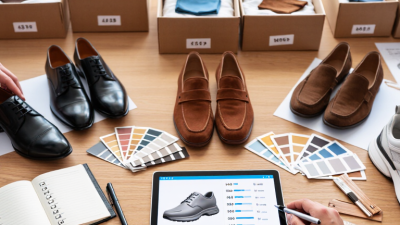
What defines a new-style men’s shoe in 2026? Versatile silhouettes that balance comfort, function, and considered design.
How to read this chart: Scores are editorial versatility ratings out of 10, considering how readily each style works across casual, smart-casual, and seasonal outfits. They are not sales figures or consumer-survey results. The strongest all-round choices are the minimalist leather sneaker, modern derby, and suede loafer.
A clean leather sneaker remains an easy everyday choice, especially with a cushioned insole and a low-profile sole. Look for smooth stitching and enough toe room. Retro running shoes add mesh panels, layered suede, and visible cushioning; they feel relaxed, though some silhouettes look bulky under narrow trousers. A derby shoe offers open lacing and a more adjustable fit than many dress shoes. A penny loafer brings a neat, slip-on shape, but its heel should stay secure when you walk.
Chelsea boots use elastic side panels for quick entry and a streamlined ankle line. Choose a sole with grip for wet pavements. Knit slip-ons feel light and flexible, useful for travel, but thin uppers may offer little support on long walks. Trail-inspired sneakers add textured outsoles and reinforced toes. Their practical details work well outdoors, yet can seem too rugged for formal outfits.
A double monk shoe uses buckle straps instead of laces, giving tailored clothes a sharper finish. Check that the straps do not press across the instep. Moc-toe boots stand out through raised stitching and sturdy construction; break-in comfort varies, so try them with the socks you plan to wear. Fisherman sandals pair open sides with a protective cage-like upper, making them airy while keeping more of the foot covered than a basic slide. Fit still matters most. Trends can be tempting, but one uncomfortable pair is rarely a smart purchase.
Choosing a shoe style by occasion matters more than chasing a trend.
The World Footwear Yearbook 2024 reports that global footwear production reached about 22.4 billion pairs in 2023. That figure describes scale, not which styles people prefer, but it shows how varied everyday footwear needs are.
For office days, a clean leather sneaker or a slim derby works with tailored trousers and feels less formal than a polished dress shoe. Check the toe box while standing; toes should not press against the front. Small detail, big difference.
Retro runners and cushioned trainers suit commutes, travel, and long hours on hard floors. Their padded collars and flexible soles can feel comfortable, though fit varies by foot.
For wet paths or weekend hikes, trail shoes with deeper tread offer more grip than smooth-soled casual shoes. Loafers work for dinners and relaxed offices, while chunky-soled shoes add visual weight to simple outfits.
I still find this easy to overthink: one versatile pair may be more useful than several trend-led options. Not always. Match the shoe to the day, then test it with the socks you actually wear.
Comparing Comfort, Materials, Versatility, and Price
The strongest choices depend on where you wear them, not just how they look. Retro court sneakers, canvas low-tops, knit runners, and minimalist slip-ons suit everyday errands. For smarter outfits, consider leather loafers, suede derbies, or hybrid dress sneakers. Trail-inspired sneakers and lightweight hiking shoes offer grippier soles, while chunky-sole shoes add height and a bolder profile. Fit comes first. Check toe room and heel slip, then walk on a hard floor for a few minutes.
Materials shape comfort and upkeep. Breathable knit can feel airy on warm days, but may offer less structure than leather. Leather often molds with wear, though it can feel stiff at first. Suede looks soft and refined, but marks easily in wet weather. Canvas is usually light and casual; inspect the stitching and sole before buying. Prices vary, so compare construction and expected use rather than assuming a higher price means better value. A shoe worn weekly may justify a sturdier build; a trend-driven pair may not.
Tips: Try shoes on late in the day, when feet may be slightly larger. Wear your usual socks. Compare both feet, since they may differ. For one versatile pair, choose a neutral color and a sole comfortable enough for a full day. Looks matter, but comfort is easy to regret.
Choosing the best shoe style starts with the job it must do. For daily walking, look for a stable heel, flexible forefoot, and enough toe room to wiggle comfortably. For office wear, check that the sole grips smooth floors and the upper does not pinch after several hours. Match the shoe to your actual routine, not an idealized one. A sleek shape can still be a poor fit.
Fit matters more than fashion. The American Orthopaedic Foot & Ankle Society reported that 77% of Americans had experienced foot pain in a consumer survey; only about one-third had sought professional care. That figure is a useful warning, not proof that shoes caused every case. Try shoes later in the day, when feet may be larger, and compare both feet while standing. Walk on a hard floor. Notice heel slip, pressure across the toes, or rubbing at the ankle. Small discomfort rarely becomes a better fit.
Think about where you will wear them most. Cushioned walking shoes suit long errands, while firmer soles can feel steadier for standing work. If you need one pair for mixed use, prioritize comfort and traction over a dramatic silhouette. I may be overcautious here, but a beautiful shoe that stays in the closet is not a smart choice. Pain that persists deserves advice from a qualified foot-care professional.