China is a major sourcing hub for women’s casual footwear, but a factory’s location alone says little about fit, workmanship, or delivery reliability. The World Footwear Yearbook 2024 reports that global footwear production reached 23.9 billion pairs in 2023, with Asia accounting for 87.4%. That scale creates opportunity. It also makes careful supplier screening essential.
The market context is substantial. Grand View Research estimated the global footwear market at USD 438.6 billion in 2023 and projected continued growth through 2030. These figures cover footwear broadly, not only women’s casual styles. Still, they help explain why manufacturers compete across sneakers, loafers, flats, and everyday slip-ons. Podiatrist Dr. Jacqueline Sutera’s published guidance emphasizes choosing shoes for proper fit and support, not appearance alone. A useful reminder.
This guide to China Top 10 Casual Shoes For Women Manufacturers looks beyond polished product photos. It considers materials, construction, customization, communication, and evidence of production capability. A shortlist is not a verdict. Factory websites may show attractive samples, while providing little proof of repeat-order consistency. Buyers should verify specifications and request samples before making decisions. That extra step takes time, but it can reveal stiff linings, uneven stitching, or soles that feel different from the product images.
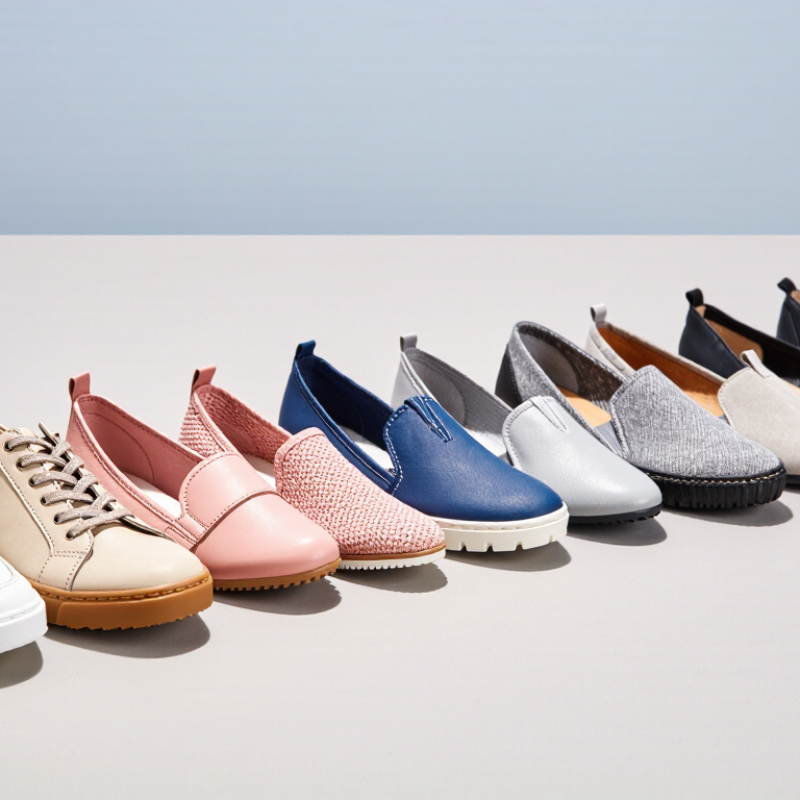
China’s women’s casual shoe industry is not one factory system. It is a network of material suppliers, component makers, assemblers, and export-oriented trading firms. The World Footwear Yearbook 2023 estimated that China produced 13.1 billion pairs in 2022, or 54.6% of global footwear output. That figure covers all footwear, not women’s casual shoes alone. Still, it shows the scale of the manufacturing base. In practical terms, a casual shoe may pass through separate workshops for uppers, soles, stitching, and final assembly. Small details matter. Stitching quality and sole bonding can vary between production lines, even within one cluster.
Factories often work through OEM or ODM arrangements, while smaller suppliers handle components and specialist processes. This structure gives buyers options: larger producers may coordinate sampling and volume orders, while smaller workshops can support more flexible runs. Yet the chain is not always transparent. A supplier may outsource embroidery, lasting, or packaging, so factory visits and clear production records remain useful. The International Trade Centre’s Trade Map can help buyers examine trade flows, but customs data generally groups shoes by product codes rather than women’s casual styles. That is a real limitation. Buyers should confirm materials, size grading, inspection points, and subcontracting arrangements directly, rather than assuming one national production figure describes every factory.
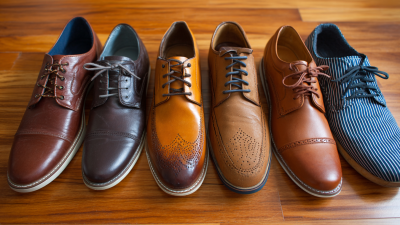
A leading women’s casual shoe manufacturer offers more than attractive samples. It combines practical experience, stable production, and clear quality controls. During supplier evaluations, I look closely at stitching, sole bonding, lining comfort, and size consistency. These details often reveal more than polished product photos. A reliable factory should explain its materials, production capacity, testing process, and delivery schedule without vague promises. It should also provide traceable samples and respond quickly when specifications change.
Tips: Request a sample in your target size. Wear it for several hours. Check heel stability, toe pressure, odor, and flexibility. Ask for inspection photos before shipment. Small details matter.
Strong manufacturers usually maintain documented quality checks at cutting, sewing, assembly, and packing stages. They understand seasonal trends but do not sacrifice comfort for appearance. Good communication is another leadership signal. Technical drawings, color references, packaging instructions, and revision records reduce costly misunderstandings. Responsible factories also follow applicable workplace, product safety, and environmental requirements.
Still, no manufacturer gets every detail right. A sample may feel excellent, yet bulk production can show uneven glue lines or slight color differences. That is why trial orders and independent inspections remain valuable. The best partners accept reasonable criticism, correct recurring problems, and share limitations honestly. Their leadership comes from dependable systems, not impressive claims alone.
China’s top 10 manufacturers of women’s casual shoes are best judged by capability, not factory size alone. A practical shortlist includes canvas producers in Xiamen, leather casual shoe specialists in Wenzhou, flexible OEM factories in Dongguan, comfort footwear makers in Foshan, textile shoe manufacturers in Yangzhou, and vulcanized shoe plants in Quanzhou. It also includes EVA sandal producers in Huizhou, molded sole factories in Taizhou, knit upper specialists in Ningbo, and small-batch workshops in Chengdu.
Each manufacturer serves a different purchasing need. Canvas factories often handle washable uppers and rubber foxing neatly. Wenzhou suppliers usually offer stronger material development and cleaner stitching. Dongguan factories can support detailed sampling and packaging changes. Foshan producers focus on arch support, soft linings, and everyday comfort. Textile factories provide lightweight uppers, while molded sole plants improve consistency across larger orders. Smaller workshops may accept lower quantities, but their production control can vary.
From sourcing experience, I would request material cards, factory audit records, test reports, and recent production samples. Inspect heel counters, outsole bonding, seam tension, odor, and size grading. Ask how rejected pairs are recorded. This detail matters. No factory is perfect. My own early mistake was trusting attractive samples without checking repeat production. Delivery capacity, worker training, and communication speed also deserve attention. A reliable manufacturer explains limitations clearly, instead of promising every feature at the lowest price.
China’s leading women’s casual-shoe manufacturers vary widely in product focus and factory setup. Some specialize in canvas slip-ons and lightweight knit sneakers; others offer leather loafers, platform shoes, or molded EVA styles. A broad catalog does not always mean in-house production. Some factories control cutting, stitching, lasting, and packing, while others outsource parts of the process.
The World Footwear Yearbook 2024 estimates that Asia produced about 87% of the world’s footwear in 2023. This scale supports deep material networks, but it does not prove that every supplier can handle complex orders. Ask for a sample showing sole bonding, seam consistency, and interior finishing. Then compare the sample with the factory’s stated equipment and production steps. Small details matter.
Capabilities also differ in development speed, mold access, and minimum order flexibility. One supplier may handle repeat orders efficiently but struggle with frequent design changes. Another may offer quicker sampling, yet rely on external workshops for key operations. A neat catalog can mislead. The Yearbook reports footwear totals, not women’s casual-shoe capacity, so buyers should verify category-specific output, inspection records, and realistic lead times directly.
| Profile | Typical Casual-Shoe Range | Common Materials | Manufacturing Strengths | Customization Focus | Best-Suited Buyer Needs |
|---|---|---|---|---|---|
| 1. Canvas Sneaker Specialist | Low-top and high-top canvas sneakers; vulcanized and cupsole styles | Canvas, cotton lining, rubber outsoles, textile trims | Cutting and stitching of textile uppers; sole bonding or vulcanized construction, depending on equipment | Upper colors, prints, embroidery, laces, lining and outsole colors | Buyers seeking casual textile shoes and seasonal color collections |
| 2. Fashion Sneaker Producer | Low-profile sneakers, platform sneakers and mixed-material casual styles | Leather, synthetic leather, mesh, textiles, EVA and rubber | Combining multiple upper materials and coordinating components across fashion-led designs | Pattern development, color blocking, decorative panels and logo application | Brands or retailers refreshing styles frequently and requiring varied designs |
| 3. Leather Casual Shoe Factory | Leather lace-ups, slip-ons, loafers and casual flats | Genuine leather, microfiber, textile lining, rubber or TPR outsoles | Leather selection and cutting, upper stitching, lasting and finishing | Leather colors and finishes, lining, stitching, footbed and outsole options | Buyers prioritizing leather uppers and a more classic casual appearance |
| 4. Loafer and Flat-Shoe Specialist | Loafers, ballet flats, moccasin-inspired shoes and slip-on flats | Leather, suede, synthetic leather, textile and flexible rubber | Shaping soft uppers, attaching linings and insoles, and producing flexible sole constructions | Toe shape, vamp details, trims, linings and sole profiles | Collections centered on everyday flats and easy-to-wear slip-on footwear |
| 5. Comfort-Focused Casual Shoe Maker | Walking-inspired casual shoes, cushioned slip-ons and everyday sneakers | Mesh, knitted textiles, synthetic uppers, foam footbeds and EVA | Incorporating cushioning and flexible components; fit and comfort depend on the design and testing process | Footbed shape, padding, lining, width options and upper ventilation | Buyers seeking comfort-oriented products for daily wear |
| 6. Knit-Upper Shoe Producer | Knit sneakers, lightweight slip-ons and breathable casual shoes | Engineered or circular-knit textiles, mesh, foam and rubber or EVA soles | Textile upper production or sourcing, panel integration and joining uppers with shoe bottoms | Knit patterns, yarn colors, density zones, trims and sole combinations | Projects requiring lightweight, textile-forward designs |
| 7. Sandal and Warm-Weather Footwear Factory | Casual sandals, slides, espadrille-inspired shoes and open-toe styles | Leather, synthetic straps, textiles, cork-look materials, rubber and EVA | Strap cutting and assembly, footbed preparation and sole attachment | Strap layout, buckles, footbed materials, colors and outsole patterns | Seasonal collections focused on warm-weather casual footwear |
| 8. Platform and Chunky-Sole Producer | Platform sneakers, flatforms and casual shoes with thicker soles | Textile or synthetic uppers, rubber, EVA and other sole compounds | Matching upper patterns with thicker sole units and managing bonding or assembly requirements | Sole height and shape, color combinations, upper materials and decorative details | Fashion-led ranges where sole shape is a prominent design feature |
| 9. Private-Label OEM/ODM Factory | Potentially broad ranges, depending on its equipment, sourcing network and development team | Material options vary by approved suppliers and product specification | OEM production follows buyer-provided designs; ODM development may include factory-developed designs and sampling | Product specifications, packaging, labels and selected design or material changes | Buyers needing contract manufacturing or design-development support |
| 10. Small-Batch Development-Oriented Workshop | Samples and selected casual styles, subject to workshop specialization | Materials available through its sourcing channels and minimum purchase requirements | Prototyping and sample revisions; production volume and repeatability should be confirmed directly | Pattern adjustments, material trials, fit revisions and sample details | Early-stage projects that need product sampling before a larger production run |
Selecting a Chinese shoe manufacturer takes more than comparing catalog photos and quoted prices. Ask whether the supplier makes shoes in its own facility or coordinates production elsewhere. The distinction can affect communication, lead times, and quality checks. Request recent photos or a live video tour showing cutting, stitching, lasting, and packing. Look closely at the workbenches, not only the showroom.
Start with a sample brief that specifies the upper material, lining, outsole, color, size range, and packaging. Check the pair on foot: Does the heel slip? Does the sole flex comfortably? Inspect seam spacing and adhesive marks under bright light. Small flaws matter. A polished sample can still differ from a bulk run, so agree on a signed reference sample and written inspection criteria. Ask how sizing is graded across the range, and request measurements for several sizes rather than one.
Before placing a large order, compare the quotation, minimum quantity, production schedule, and payment milestones in writing. Confirm who handles material sourcing and what happens if a component changes. Request records supporting material descriptions, and arrange an independent pre-shipment inspection when practical. Do not treat a low price as proof of value. I would still leave room for doubt: one visit or sample cannot show how consistently a factory performs over time. Start with a manageable order, document issues clearly, and reassess before scaling.
Recommended weighting for comparing Chinese casual shoe manufacturers without relying on company or brand names.
Quality control, material traceability, compliance documentation, and delivery reliability should receive the highest priority when evaluating a footwear supplier. Price and minimum order quantity are important commercial factors, but they should be assessed together with production capability, sampling speed, communication, and after-sales support.