How to Choose the Best Tennis Shoes for Any Court?
Choosing the right Tennis Shoes begins with understanding the court beneath your feet. Hard courts demand durable outsoles and dependable cushioning. Clay courts need herringbone traction and controlled sliding. Grass courts require smaller pimples for grip without damaging the surface. Indoor courts can feel different, even when they look similar.
“Tennis shoes should support the player’s movement, not interfere with it,” says Dr. Robert Conenello, a sports podiatrist who has advised athletes on footwear and injury prevention. His point is practical. A shoe must fit your foot shape, movement style, and playing frequency. Comfort matters, but comfort alone is not enough.
Watch your feet.
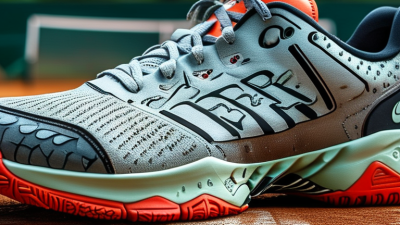
A narrow shoe may create pressure near the little toe. A soft upper may feel pleasant, yet allow unwanted movement during a wide recovery step. Look for a secure heel, flexible forefoot, and suitable lateral stability. Check the outsole pattern carefully. It often reveals the court the shoe was designed to handle.
Your playing habits matter too. Aggressive baseliners may prefer reinforced toes and stronger shock absorption. Serve-and-volley players may value quick transitions and lighter construction. Still, these categories are not perfect. Players move differently, and marketing descriptions can oversimplify real needs. I would not choose Tennis Shoes by appearance alone.
Try them with tennis socks. Move sideways before buying. Notice pressure, slipping, and balance. Small discomfort can become a painful distraction after two hours. The best choice is rarely the most expensive model. It is the pair that remains stable, comfortable, and trustworthy throughout your actual match.
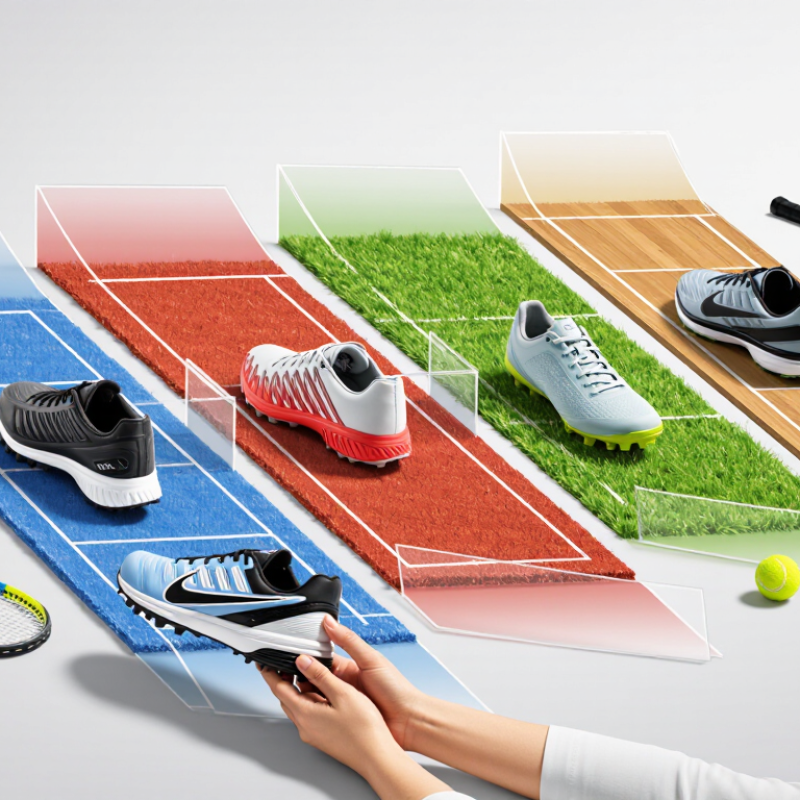
Understanding Court Surfaces and Their Impact on Tennis Shoe Design
Choosing tennis shoes starts with the court, not the color or price. Surface friction changes how quickly you stop, slide, and push forward. The International Tennis Federation’s 2024 Global Tennis Report recorded more than 106 million tennis players worldwide. That scale makes surface-specific design increasingly important. The ITF Court Pace Rating system also classifies courts from slow to fast, showing why one outsole cannot perform equally everywhere.
Hard courts create repeated impact and high abrasion. Choose shoes with reinforced toe areas, stable sidewalls, and durable rubber. Cushioning matters after long rallies, especially on rigid acrylic surfaces. Clay courts demand a continuous herringbone pattern. It helps players slide, then regain traction without collecting excessive clay. Grass courts require smaller, carefully spaced nubs. They support quick movement while reducing damage to the turf.
I have found that outsole choice changes confidence within minutes. Still, personal movement matters more than many buying guides admit. A frequent slider may prefer controlled flex, while an aggressive net player needs stronger lateral support. A 2023 report from the Sports & Fitness Industry Association counted 23.8 million tennis participants in the United States. More players are testing different courts, but shoe categories remain imperfect. Manufacturers often describe “all-court” shoes broadly, although hard and clay courts can demand opposite traction behavior. Test the shoe with short lateral steps before committing. Your heel should stay quiet, and your toes should not press against the front.
Identifying the Right Shoe Features for Your Playing Style
Choosing tennis shoes starts with your playing style, not color or advertising claims. A baseline player needs durable cushioning for repeated sprints and abrupt stops. A frequent net player may prefer a lighter shoe with flexible forefoot movement. Aggressive lateral movers should seek firm sidewalls and secure heel lockdown. Fit matters most. Your toes should move slightly, while your heel stays stable during a split step.
Court surface changes the decision.
The ITF Technical Centre rates court pace from 0 to 50, showing how surfaces influence movement and ball response. Hard courts usually demand durable outsoles and impact protection. Clay players need a full herringbone pattern for controlled sliding. Grass requires smaller, multidirectional traction points. Do not treat “all-court” as universally perfect. It is often a compromise.
Industry participation data also deserves context. The Sports & Fitness Industry Association reported 23.8 million U.S. tennis participants in 2023, indicating a broad range of playing habits and physical demands. I once selected a very cushioned shoe for long matches, but its bulky feel slowed my recovery steps. That mistake changed my testing routine. I now walk, jog, and perform side shuffles before judging a shoe. Check pressure near the little toe, heel movement, and arch comfort after ten minutes. Your ideal pair should support your habits, even imperfect ones.
Checking Fit, Cushioning, Stability, and Durability
How to Choose the Best Tennis Shoes for Any Court?
A reliable tennis shoe should fit securely without squeezing your toes. I test the fit with the socks I usually wear during matches. My heel should stay planted when I stop suddenly. The toes need enough space to move naturally. They should feel secure. A loose heel can cause blisters and reduce control. I once chose a softer pair because it felt comfortable immediately. After an hour, my foot slid inside the shoe. That mistake changed how I judge comfort.
Cushioning should match your movement and playing surface. Hard courts often demand more shock absorption, especially during repeated sprints. However, excessive softness may weaken your connection with the court. I prefer cushioning that feels protective but still lets me sense each push-off. Stability matters during side-to-side movement. A firm midsole, supportive upper, and wide enough base can reduce unwanted rolling. Still, stability should not make the shoe feel rigid.
Durability depends on your footwork, court type, and training frequency. Hard-court players may wear through the toe area and outsole quickly. Clay-court shoes need tread that releases loose dust without trapping it. Grass courts usually require controlled grip rather than aggressive traction. Inspect the outsole after every few sessions. Uneven wear can reveal poor movement habits or an unsuitable shoe. Durability is not only about thick materials. It also reflects whether the shoe matches your game. My own judgment remains imperfect, so I reassess fit and support whenever my movement changes.
Making a Final Choice Based on Performance, Comfort, and Budget
Choosing the best tennis shoe begins with the court beneath your feet.
Hard courts need durable outsoles and firm lateral support. Clay courts require a patterned tread that releases loose dust quickly. Grass courts benefit from small, controlled studs and flexible movement.
I learned this after using a hard-court shoe on clay. My footwork felt slow.
Performance should match your playing style.
Aggressive movers need strong heel stability and secure midfoot support. Frequent servers may prefer cushioning that reduces landing stress. However, extra cushioning can make quick direction changes feel less precise.
I still sometimes choose comfort over speed during long practice sessions.
That choice is not always perfect.
Test shoes with tennis socks and perform short side steps before buying.
Comfort protects your focus, but budget sets realistic limits.
Measure both feet late in the day, when swelling is more likely. Leave a thumb’s width near the toes, without allowing heel movement. A dependable shoe should feel stable immediately, not require painful “breaking in.” Compare outsole durability, warranty terms, and replacement costs. Spending more can make sense for daily players. Casual players may find better value in a simpler model with reliable support. Avoid paying for features your court and playing style never use.
Keep your receipt. Your feet may disagree after two matches.