How to Source Sneakers from Reliable Global Suppliers?
Sourcing Sneakers from reliable global suppliers is more than finding the lowest quotation. It requires evidence, communication, and disciplined verification. The World Footwear Yearbook 2024 reported that Asia produced about 87% of global footwear in 2023. This concentration creates choice, but it also increases supplier risk. A polished website proves very little. Factory capacity, material traceability, testing records, and export history matter more.
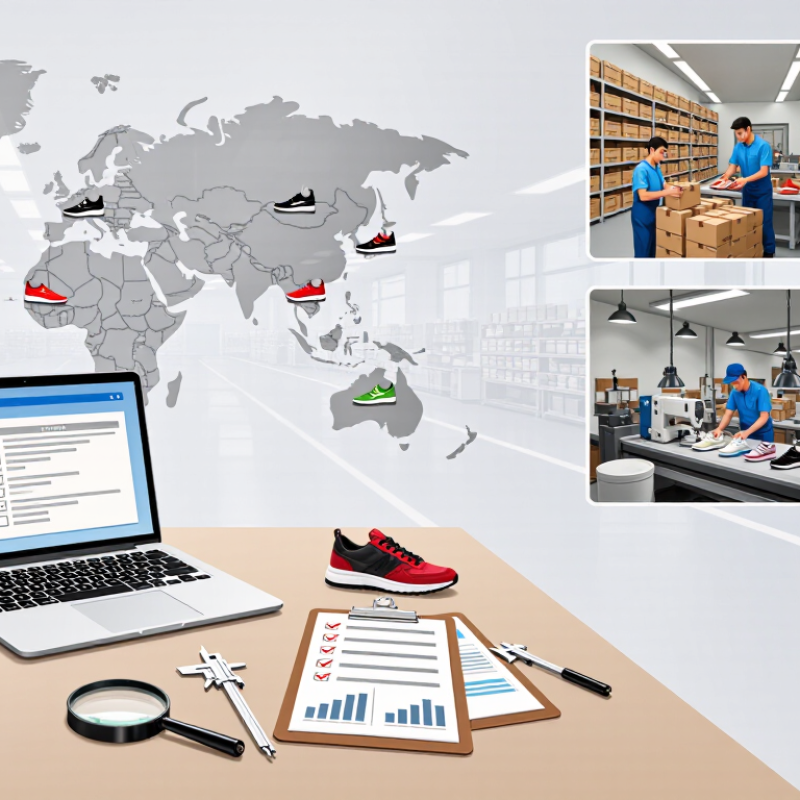
Reliable sourcing starts with a practical supplier profile. Define the target construction, outsole compound, size range, packaging, and acceptable defect rate. Then compare manufacturers through the International Trade Centre’s Trade Map, customs records, trade references, and independent audits. Request recent factory videos. Ask to see stitching stations, adhesive storage, carton labels, and finished-pair inspections. Small details reveal operating discipline. Sometimes, the factory floor tells a different story.
Samples should be tested like products, not treated like souvenirs. Check bonding strength, flex performance, odor, color consistency, and dimensional accuracy. Ask whether the supplier uses ISO 9001 procedures or equivalent quality controls. Confirm social and environmental expectations through recognized audit frameworks, while remembering that an audit is only a snapshot. No supplier score is flawless. I have seen attractive samples hide weak size grading and late material purchasing. Build milestones into the contract, including pre-production approval, inline inspection, final inspection, and documented corrective actions. Clear payment terms and realistic lead times protect both sides. The best partnership is not always the cheapest one. It is the one that can repeatedly deliver safe, consistent Sneakers while communicating problems early.
Define Your Sneaker Sourcing Goals and Product Requirements
Reliable sneaker sourcing begins with a precise definition of your buying goals. Decide whether you need lifestyle shoes, training footwear, or lightweight everyday sneakers. Each category requires different materials, construction methods, and performance checks. Set a target retail price and a maximum landed cost before contacting suppliers. A low factory price can hide expensive shipping, inspection, packaging, or rework costs.
Write a practical product brief. Include the upper material, lining, outsole compound, color references, size range, closure system, weight target, and packaging requirements. Add measurable details, such as outsole hardness, stitch density, and acceptable glue marks. Suppliers work better with drawings, reference photos, and a clear measurement chart. Avoid vague requests like “premium quality.” Define what quality means. Request samples made with the intended materials, not substitutes. Small differences matter.
Your sourcing plan should also state the minimum order quantity, delivery window, sample budget, and testing needs. Ask suppliers how they control sizing, bonding strength, color consistency, and final inspections. I once underestimated size grading, which created uneven fit across the range. That mistake was avoidable. Leave time for revisions. Confirm production capacity rather than trusting a polished catalog. Check business records, factory evidence, communication habits, and independent inspection options. Requirements may change after wear testing, so keep a written approval process. A detailed brief can feel restrictive, but unclear expectations usually cost more.
Research and Compare Potential Global Sneaker Suppliers
Researching global sneaker suppliers should begin with evidence, not attractive catalog photos. I request factory addresses, production capacity, material details, and recent compliance records. A polished website proves very little. I also check how quickly a supplier answers specific questions. Slow, vague replies often create expensive delays later. Keep a comparison sheet. Record minimum order quantities, sample fees, lead times, payment terms, and shipping responsibilities. Small differences matter.
Before comparing prices, I order samples from several suppliers. I inspect stitching, sole bonding, sizing consistency, odor, packaging, and label accuracy. I photograph each sample under the same light. This makes comparisons less subjective. I ask for test reports relevant to footwear materials and confirm who issued them. Independent verification is stronger than an uploaded certificate. I contact trade references when possible, though references can be carefully selected. That limitation deserves attention.
A responsible supplier should explain sourcing, worker protections, quality checks, and corrective actions. I prefer a smaller order before making a large commitment. It reveals whether the team can repeat the sample’s quality. One mistake I made was focusing too heavily on unit price. Freight, defects, rework, and customs paperwork changed the real cost. Compare total landed cost instead. Discuss forecast changes and rejection procedures in writing. Leave room for doubt. Good sourcing is not about finding a perfect supplier; it is about building enough evidence to choose carefully.
How to Source Sneakers from Reliable Global Suppliers?
Research and compare potential suppliers using a consistent screening framework before requesting samples or placing an order.
The chart uses a normalized 0–100 procurement benchmark. Quality and compliance receive the highest weights because material consistency, product testing, factory documentation, and ethical manufacturing practices directly affect long-term sourcing reliability. Lead time, minimum order quantity, and communication are also important when comparing global sneaker suppliers.
Verify Supplier Credentials, Quality Standards, and Production Capacity
How to Source Sneakers from Reliable Global Suppliers?
Reliable sneaker sourcing begins with evidence, not attractive product photos. Ask for company registration, factory ownership details, export history, and verifiable business references. Check whether certificates come from recognized testing organizations. A certificate without a matching factory address deserves further questions. Request material specifications, stitching requirements, sole composition, and inspection procedures before ordering samples. Quality should be measured against written standards, not personal impressions.
Production capacity also needs practical verification. Review the supplier’s monthly output, machinery list, staffing levels, and current order schedule. Ask how they manage peak seasons and material shortages. A factory may promise 20,000 pairs monthly, yet struggle with consistent sizing across 2,000 pairs. Request a sample from regular production, not only a carefully prepared showroom sample. I once trusted a polished sample too quickly; the bulk version showed uneven glue lines. That mistake changed my inspection process.
Tips: Use a video call during production hours. Ask workers to show cutting, stitching, assembly, and final inspection areas. Compare sample measurements with your approved specification sheet. Use independent quality inspections before shipment. Keep payment milestones linked to verified progress. Contact references with specific questions about delays, defects, and communication. Do not rely on one successful sample. Test repeatability. Supplier records should be reviewed regularly, because capacity, staff, and subcontracting arrangements can change.
Evaluate Pricing, Samples, Shipping, and Payment Terms
Reliable sneaker sourcing starts with evidence, not attractive catalog photos. The World Footwear Yearbook 2024 reports that Asia produced about 87% of global footwear in 2023. That concentration creates choice, but also comparison pressure. Request a complete quotation: unit price, mold fees, packaging, inspection, and minimum order quantity. A low factory price may hide costly revisions. Ask for samples made with the same mesh, rubber compound, and stitching method used in production. Check heel alignment, glue marks, outsole grip, and size consistency. One sample is not enough.
Shipping terms need equal attention. Compare EXW, FOB, and DDP offers using the same shipment weight and destination. The 2024 UNCTAD Review of Maritime Transport highlights continuing freight and route disruption risks, so delivery promises should include a buffer. Ask for carton dimensions, loading photos, tracking procedures, and responsibility for damaged goods. Get the production schedule in writing. It can still change.
Tips: Pay through a documented business channel. Avoid sending the full balance before inspection. A practical structure may use a deposit, a production milestone payment, and a final payment after quality approval. Confirm bank details by a second contact, because email changes are easy to miss. Trade references and a third-party factory audit strengthen E-E-A-T evidence. I once trusted a polished sample too quickly; the bulk shipment used firmer material. That mistake taught me to approve a sealed reference sample before production.
Build a Reliable Supplier Relationship and Manage Ongoing Orders
A dependable sneaker supplier relationship starts with clear, written expectations. I usually share a technical pack with materials, measurements, color references, packaging details, and acceptable tolerances. Sample approval should cover more than appearance. Check stitching, glue marks, sole bonding, insole comfort, and carton labels. Small defects become expensive when multiplied across hundreds of pairs.
Keep one shared order sheet for every production cycle. Record purchase quantities, sizes, agreed prices, deposits, shipment dates, and inspection results. Ask the supplier to confirm changes in writing. Before production, review a sealed reference sample and approve the final materials. During manufacturing, request dated photos or short videos from cutting, assembly, and packing stages. An independent inspection can verify random pairs before payment is completed.
Reliability grows through realistic planning. Share forecasts early, but avoid promising volumes you cannot support. Discuss minimum order quantities, capacity limits, holiday closures, and delay procedures openly. I once accepted a rushed reorder without checking the supplier’s production schedule. The shipment arrived late, and my stock plan failed. That mistake taught me to confirm capacity before negotiating speed. Regular calls help, but documented follow-up matters more. Pay on the agreed schedule, respond quickly, and track repeated issues. A supplier who admits a problem early is often safer than one who hides it.