Shose expert

15 Years Manufacturing Experience
DSC00533

How to Find Reliable Sneaker Suppliers Worldwide?

Finding reliable Sneakers suppliers worldwide requires more than comparing prices on a marketplace. A professional buyer studies production history, material quality, communication, and delivery performance. Tinker Hatfield, the renowned Nike designer, once said, “You have to understand the past to create the future.” His idea also applies to sourcing. A supplier’s past orders can reveal more than attractive product photos.

Begin with verifiable details. Check the company’s registered business information and physical factory address. Request recent production images, material specifications, sample measurements, and packaging details. Then compare these details with the supplier’s public listings. Photos are not proof. A video factory tour can help, but it should not replace independent verification.

Ask about minimum order quantities, lead times, inspection procedures, and defect handling. Reliable partners usually answer clearly and provide written terms. They should also explain whether production is handled directly or through another factory. That distinction matters.

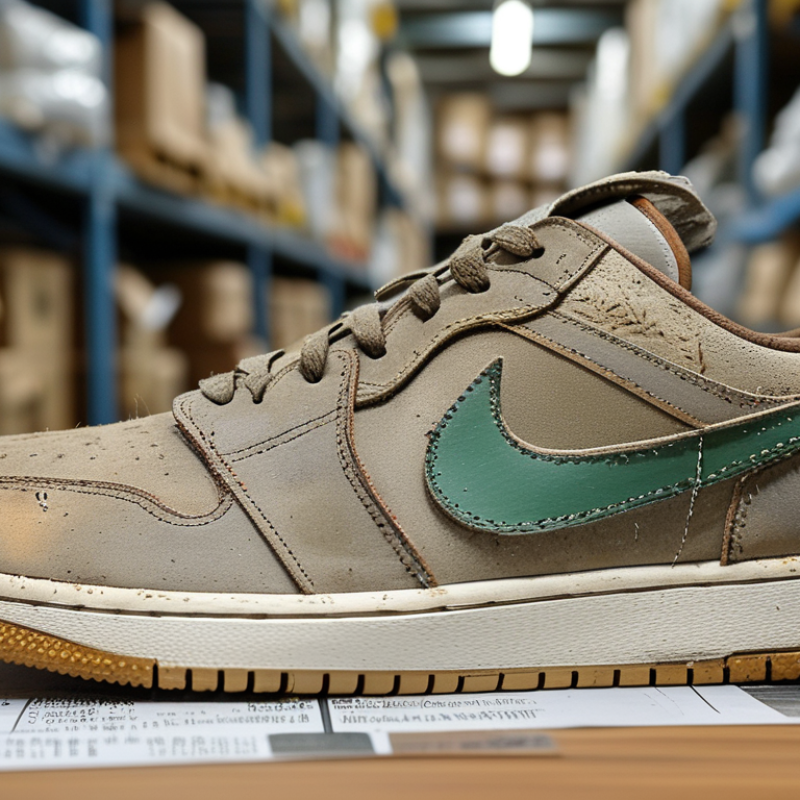
Request samples before discussing large orders. Examine stitching under bright light. Check glue marks, outsole alignment, labeling, and box strength. Test several sizes, not just one pair. Small inconsistencies often become expensive problems.

Trust takes evidence.

Trade references, verified transaction records, and third-party inspections can reduce uncertainty. However, no checklist is perfect. Even experienced buyers may overlook a delayed response or an unexplained change in materials. That is where careful review matters. A dependable Sneakers supplier does not promise perfection. They show consistent processes, transparent communication, and a practical plan for correcting mistakes. This guide explains how to evaluate those signals across regions, while keeping quality, responsible sourcing, and lawful business practices at the center.
How to Find Reliable Sneaker Suppliers Worldwide?

Define Your Sneaker Sourcing Needs and Supplier Requirements

Reliable sneaker sourcing starts with a precise internal brief, not a supplier directory. Define the product category, target customer, size range, materials, construction method, expected annual volume, and launch date. My early mistake was requesting prices before confirming these details. The quotes looked attractive, but they described different products. A supplier requirement sheet should also state acceptable defect rates, sample approval steps, packaging, payment terms, and preferred delivery conditions.

Capacity must match your real demand. The World Footwear Yearbook 2024 reports that Asia produced roughly 87% of global footwear in 2023. This concentration offers manufacturing depth, but it can hide regional and factory-level differences. Ask for monthly capacity, current production loading, peak-season lead times, and backup material sources. Request recent testing records for colorfastness, bonding strength, abrasion, and restricted substances. Independent laboratory verification is safer than relying on a factory’s internal claim.

Make traceability practical. Record the factory address, subcontracting policy, material origins, audit date, and responsible contact. The OECD’s Due Diligence Guidance recommends risk-based supply-chain checks, which means high-risk processes need closer evidence and follow-up. A spreadsheet helps, but it can still lie. Visit the facility when possible, compare production samples with approved samples, and speak with quality staff privately. Also, require written corrective actions after failed inspections. Cheap pricing may reflect efficiency—or missing controls. You need evidence before choosing.
Research Supplier Markets and Build a Qualified Candidate List

Reliable sneaker sourcing starts with market research, not random supplier directories. The World Footwear Yearbook 2024 reports that global footwear production reached 22.4 billion pairs in 2023. Asia produced 87.4% of that volume. This concentration offers strong manufacturing experience, but it can also increase regional dependency. Compare at least three markets before choosing a sourcing route.

Build a qualified candidate list with evidence, not promises. Record each factory’s location, product categories, monthly capacity, minimum order quantity, lead time, and export history. Ask for recent production photos and a physical sample. Check material traceability, quality procedures, worker safety records, and recognized audit documents. The International Trade Centre recommends using trade data to compare export performance and supplier countries. Use it to test claims, not replace factory verification.

Score candidates with a simple sheet. Quality can receive 30 percent, delivery 25 percent, compliance 20 percent, communication 15 percent, and cost 10 percent. Keep the scoring transparent. A low price may hide weak inspection controls. Request two production references when possible. Then arrange a live video walkthrough or an independent factory audit. My own early sourcing mistake was trusting polished samples too quickly. Samples can be better than normal production. Recheck stitching, outsole bonding, sizing, packaging, and carton strength during a pilot order. One supplier may look perfect on paper. That is not enough.

Verify Supplier Legitimacy, Product Quality, and Production Capacity

Finding reliable sneaker suppliers worldwide requires more than comparing prices. Legitimacy should be checked before discussing large orders. Ask for the supplier’s registered business details, physical factory address, and export experience. Verify these details through official business records and consistent contact information. A video call can reveal useful facts, such as machinery, storage areas, and production staff. Be cautious when every answer sounds perfect.

Product quality needs physical evidence. Request samples made with the same materials and processes used for bulk production. Inspect stitching, adhesive strength, sole alignment, sizing consistency, and packaging. I once reviewed samples that looked excellent in photos but showed uneven glue near the heel. That small defect changed the supplier’s quality rating. Independent testing can also assess material durability, color transfer, and basic safety performance. Keep written inspection standards, including acceptable defect limits and measurement tolerances.

Production capacity is harder to judge from promises. Ask for monthly output, current order schedules, equipment lists, staffing levels, and typical lead times. Compare these figures with the supplier’s facility size and sample speed. A factory may claim high capacity while outsourcing most work, which can reduce consistency. Request a small trial order before scaling. Monitor delivery timing, defect rates, communication, and corrective actions. My own mistake was trusting a capacity spreadsheet without checking seasonal delays. Real evidence matters more than polished presentations.

Compare Pricing, Minimum Orders, Shipping, and Payment Terms

Finding reliable sneaker suppliers worldwide requires more than a low unit price. I compare at least three written quotations before discussing production. Each quote should show material grade, size range, packaging, inspection costs, and delivery terms. A cheap pair can become expensive after freight, duties, and payment charges. I ask for a sample and check stitching, sole bonding, labeling, and carton strength. Photos help, but they do not replace a physical check. This is where my process remains imperfect: one sample may not represent every production batch.

Minimum order quantities need careful negotiation. A supplier requesting 500 pairs may offer a lower price, but slow-moving sizes can trap cash. Smaller orders often cost more per pair, yet they reduce inventory risk. Request tiered pricing for 100, 300, and 500 pairs. Confirm whether mixed colors and sizes count toward the minimum. Shipping deserves equal attention. Compare air, sea, and rail options by landed cost, transit time, tracking, insurance, and customs responsibility. The fastest route is not always practical.

Tips: Use a clear payment schedule tied to milestones, such as sample approval, production progress, and final inspection. Avoid paying the full amount before meaningful verification. Ask whether bank fees, currency conversion, refunds, and late-shipment remedies are documented. Verify business registration, factory address, references, and response consistency. Keep every agreement in writing. One missed detail matters.

How to Find Reliable Sneaker Suppliers Worldwide? - Compare Pricing, Minimum Orders, Shipping, and Payment Terms

Supplier Location / Model Typical Product Focus Indicative Wholesale Price per Pair (USD) Typical MOQ Sample Policy Production Lead Time Common Shipping Options Typical Payment Terms Reliability Checks
East Asia
Factory-direct
Private-label casual sneakers, running-inspired styles, canvas and synthetic uppers $12–$28 300–1,000 pairs per style or color Paid sample; sample fee may be credited after a confirmed bulk order 30–60 days after material approval Sea freight for volume; air courier for samples and urgent replenishment Usually 30% deposit and 70% before shipment; credit terms require a history of successful orders Factory video audit, business registration, production references, pre-shipment inspection
South Asia
Factory-direct
Leather, sports-casual, vulcanized and small-batch handcrafted footwear $14–$35 100–500 pairs per design One paid development sample; custom samples commonly take 7–14 days 35–75 days, depending on materials and order size Sea freight for commercial orders; air freight for low-volume shipments 30% deposit and balance against inspection or shipping documents Leather/material certificates, factory capacity review, sample consistency, inspection report
Southeast Asia
Factory-direct
Performance-inspired sneakers, knit uppers, EVA soles and mid-market footwear $16–$36 300–800 pairs per style Paid sample; tooling or mold charges may apply to new sole designs 40–70 days after final approval Sea freight is most economical; rail or air may be used for time-sensitive orders 30% deposit, 70% before dispatch; documentary terms may be available for established buyers Factory compliance audit, capacity confirmation, material testing, independent quality inspection
Eastern Europe
Regional manufacturer
Small-batch leather, premium casual and near-market replenishment programs $25–$55 100–300 pairs per style Sample charged at development cost; faster revisions may be possible 25–55 days Road freight within nearby markets; air freight for samples and urgent deliveries 30% deposit and 70% before delivery; terms vary by buyer history Business registry check, factory visit, material origin records, batch inspection
Mediterranean Region
Specialist workshop
Premium leather, fashion-led and handcrafted small production runs $35–$80 50–200 pairs per style Prototype fee plus materials; production sample approval is normally required 30–65 days Road or sea freight for regular orders; express air for samples 40% deposit and 60% before shipment is common for custom production Workshop visit, leather documentation, reference samples, written quality specifications
Wholesale Distributor
Multi-supplier inventory
Ready-stock generic sneakers, mixed sizes and rapid replenishment $18–$45 12–100 pairs per style Stock samples can usually be purchased individually 2–14 days for available stock; longer for replenishment Courier, air freight or consolidated sea freight, depending on order size Payment before dispatch is common; trade credit may require an approved account Stock verification, warehouse video, invoice history, return and claims policy
Sourcing Agent
Managed procurement
Supplier matching, product development, factory coordination and inspections Factory price plus approximately 3%–10% service fee Often 100–500 pairs, depending on the selected factory Development sample and service fees are normally paid in advance Adds approximately 5–15 business days for coordination and approvals Agent may consolidate shipments and arrange sea, air or courier delivery Deposit to the agent or factory; service fee schedule should be written into the contract Company registration, conflict-of-interest disclosure, factory verification, transparent fee structure
Comparison Notes: Prices are indicative wholesale benchmarks for unbranded or private-label sneakers and vary by materials, construction, customization, order volume, packaging, exchange rates and destination. Freight costs depend on route, season, carton dimensions, chargeable weight, fuel surcharges, duties and taxes. Confirm the Incoterm, inspection standard, payment schedule, production timeline and written defect policy before placing an order.

Test Orders and Establish a Reliable Long-Term Partnership

Finding a reliable sneaker supplier worldwide requires more than comparing prices. A test order reveals how a supplier handles real pressure. Request a small quantity with specific materials, size ranges, colors, packaging, and delivery terms. Put every requirement in writing. Vague promises create expensive misunderstandings.

Inspect the samples when they arrive. Check stitching, glue marks, sole flexibility, labeling, carton strength, and size consistency. Photograph defects beside a ruler. Ask for the production date and basic material information. If possible, use an independent inspection service before larger payments. One test order may pass, but that does not prove long-term reliability. Repeat the process with a second shipment.

Communication matters as much as product quality. Note how quickly the supplier answers difficult questions. Do they report delays early, or hide them until the shipping date? Discuss acceptable defect rates, replacement procedures, payment stages, and shipping documents before signing a continuing agreement. Keep written records of revisions and approvals. A shared quality checklist can prevent arguments later.

I once underestimated carton damage during transit. The shoes were acceptable, but several boxes arrived crushed. That mistake changed my process. Now I test packaging, not only the footwear. Some suppliers may resist detailed checks, and that is worth noticing. A dependable partner should accept reasonable verification, explain limitations honestly, and improve after feedback. Long-term cooperation grows through repeated evidence, not one attractive sample.

Test-Order Reliability Scorecard for Sneaker Suppliers

Use these practical acceptance thresholds when reviewing a test order: high order accuracy, low defect rates, dependable delivery, responsive communication, and compliant packaging. Suppliers that consistently meet these standards are stronger candidates for a reliable long-term partnership.