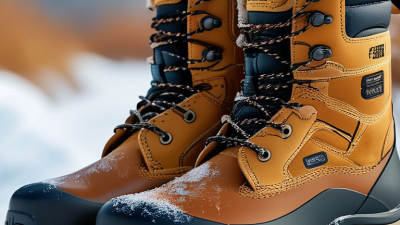
How to Choose the Best Winter Shoes for Your Needs?
As winter approaches, choosing the right winter shoes becomes essential. The cold, wet conditions can challenge even the most experienced shoe shoppers. It is crucial to consider various factors such as insulation, traction, and waterproofing. Picking the wrong pair can lead to uncomfortable days spent outdoors.
Winter shoes must provide warmth while keeping feet dry. Look for quality materials that offer both durability and style. Remember, a well-chosen pair can make winter activities enjoyable. However, many people overlook the importance of fit. Shoes that are too tight or too loose can cause painful blisters or impair circulation.
While it's tempting to choose fashionable options, prioritize functionality. Seek advice from experts or reviews to ensure a wise decision. Reflect on your lifestyle and activities. Are you trekking through snow or simply commuting? This helps focus your search. Ultimately, the best winter shoes are those that meet your needs and keep you warm and safe during the colder months.
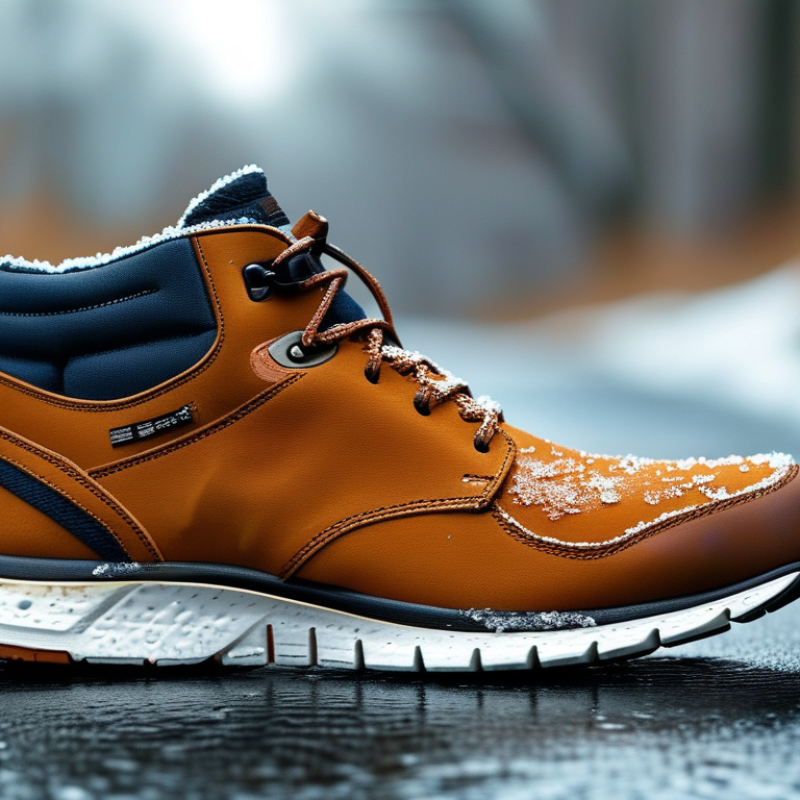
Understanding Your Climate and Weather Conditions
Understanding the climate where you live is crucial when choosing winter shoes. Whether you face icy terrains, heavy snow, or rainy conditions, each situation demands specific footwear characteristics. Cold climates require insulation to keep your feet warm. Waterproof materials are essential if you live in wet, snowy areas. Breathable fabrics help if you face warmer, damp winters.
Tips: Always check temperature ratings on shoes. Know your daily activities and choose shoes accordingly. If walking in slush, opt for high-traction soles. Remember, effective winter shoes should prioritize comfort alongside functionality. Don't overlook the importance of fit; tight shoes can lead to cold feet.
Consider your local weather patterns. Frequent rain means you need shoes with good drainage. In coastal areas, shoes need to handle both moisture and wind. Reflect on your personal experiences with winter footwear. Did your last pair keep your feet dry? If not, rethink your choice next time. Every detail matters when winter conditions change regularly.
Identifying Your Primary Activities for Winter Wear
Choosing the right winter shoes depends heavily on your main activities. Are you hiking on rugged trails or strolling through the city? Identifying these activities can narrow down your options significantly. A sturdy pair for hiking will differ from stylish, comfortable shoes for urban settings. Think about the elements you’ll face, too. Will you encounter snow and ice or just chilly winds?
Tips: Look for shoes with good traction if you'll be on slippery surfaces. Waterproof materials can help keep your feet dry. A breathable lining is essential, especially if you plan to walk for extended periods.
If your winter plans include outdoor sports, opt for shoes that offer support and warmth. High-cut boots often provide better ankle support. However, they may feel heavy for casual outings. Balancing comfort and practicality can be tricky. Reflect on how often you'll wear them. Will they stay in your closet when spring arrives? Making a thoughtful choice now could save you from discomfort later.
How to Choose the Best Winter Shoes for Your Needs?
This chart illustrates the percentage of consumers who prefer different activities requiring winter shoes. As seen, casual wear and hiking are the most popular choices among consumers, highlighting the importance of selecting winter shoes that cater to these primary activities.
Evaluating Insulation Options for Warmth and Comfort
When choosing winter shoes, insulation is crucial for warmth and comfort. Different materials provide varying levels of insulation. Common options include synthetic insulation and natural materials like wool. Synthetic materials tend to dry faster but may not always offer the same warmth as wool. Wool, on the other hand, maintains warmth even when wet.
Insulation thickness can also affect comfort. Thicker insulation often means more warmth, but it may also reduce breathability. Finding a balance is key. Too much insulation can lead to overheating, especially during active outings. Additionally, consider the shoes' fit. A cramped fit can diminish insulation effectiveness.
Ventilation is another factor to ponder. Shoes with good airflow help regulate temperature. This is essential for areas with fluctuating temperatures. Cold feet can result from inadequate insulation and poor ventilation. Testing different styles and materials can help pinpoint what works best for you. Reflection on your typical winter activities will steer your choice.
Choosing the Right Traction and Grip Features
When choosing winter shoes, traction and grip features are crucial.
Slippery conditions can lead to accidents.
Look for shoes with rubber outsoles. They offer better grip on ice and snow.
Deep treads can provide extra traction. The design matters, too.
Some shoes have grooves specifically built for snowy weather.
Consider the shoe's flexibility. Stiff shoes may not grip well on uneven surfaces.
Choose a balance between support and adaptability. Waterproof materials keep your feet dry but might affect grip.
Reflect on what’s more important for your walks:
wet feet or slipping on ice?
Test the shoes before buying. Walk on different surfaces.
Pay attention to how they feel. If they don't grip well, reconsider your choice.
Personal experience matters. Each winter brings unique challenges,
so find what works for your situation.
Selecting Materials for Durability and Waterproofing
When selecting winter shoes, choosing the right materials is vital for durability and waterproofing. Research shows that approximately 70% of winter shoe buyers prioritize waterproof features. This highlights the importance of materials that can withstand harsh weather conditions. Breathable yet robust fabrics such as Gore-Tex have become industry standards. These materials repel water while allowing moisture to escape, ensuring comfort during various activities.
Leather is another popular choice, known for its durability. Quality leather can last several years if properly maintained. However, it requires regular care to maintain its waterproof properties. A 2021 report indicated that shoes made with leather can be up to 20% more durable than synthetic options. While leather has advantages, it can be heavier and may not dry as quickly as lighter materials.
Synthetic materials, like nylon and polyester, offer a lightweight alternative. They are often treated for added waterproofing, making them quick to dry. However, they tend to wear out more rapidly than leather. This raises questions about their long-term viability. Many consumers find themselves needing replacements more frequently. Evaluating these materials is essential to ensure that your winter shoes meet your specific needs while providing the necessary protection against the elements.
How to Choose the Best Winter Shoes for Your Needs? - Selecting Materials for Durability and Waterproofing
| Material |
Durability (Rating out of 10) |
Waterproofing (Rating out of 10) |
Breathability (Rating out of 10) |
Weight (lbs) |
| Gore-Tex |
9 |
10 |
7 |
2.5 |
| Leather |
8 |
8 |
4 |
3.5 |
| Nylon |
7 |
9 |
8 |
2.0 |
| Rubber |
6 |
10 |
2 |
4.0 |
| Synthetic |
7 |
7 |
6 |
2.2 |