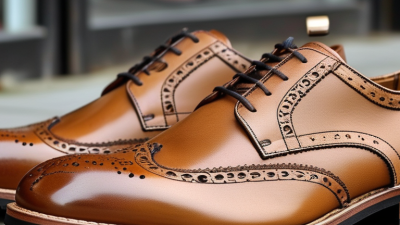
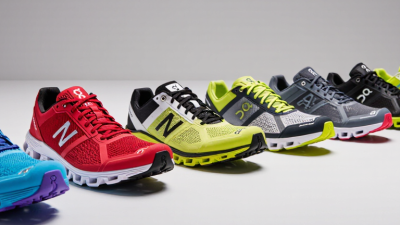
Why Are Men's Sneakers in High Demand Worldwide?
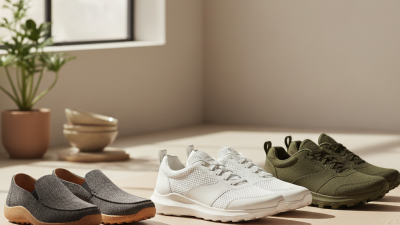
Men's Sneakers have become everyday footwear, worn on office commutes, campus walks, weekend errands, and city streets. Their appeal is practical as well as visual. A cushioned sole can soften hours on hard pavement, while breathable mesh helps feet stay comfortable in warm weather. Leather, suede, and recycled fabrics offer different looks and care needs. Small details matter: a wide toe box, grippy tread, or easy-to-clean upper can shape the experience more than a famous logo.
Demand also reflects how sneakers fit changing lifestyles. Many men want one pair that works with jeans, casual trousers, or travel clothes, rather than footwear for a single occasion. Social media, athlete partnerships, and limited color releases add visibility, while online stores make styles easier to compare across regions. Still, popularity does not mean every pair suits every foot or budget. Fit varies between brands, and cushioning preferences are personal. That explanation is incomplete.
To understand the worldwide demand for Men's Sneakers, it helps to look beyond fashion. Comfort, design, product access, brand reputation, and value all influence buying choices. Materials and construction deserve attention, too; a stylish shoe may not hold up to daily use. Buyers can check sizing guidance, return policies, and care instructions before choosing. The market keeps changing, and not every trend lasts. That is worth remembering.
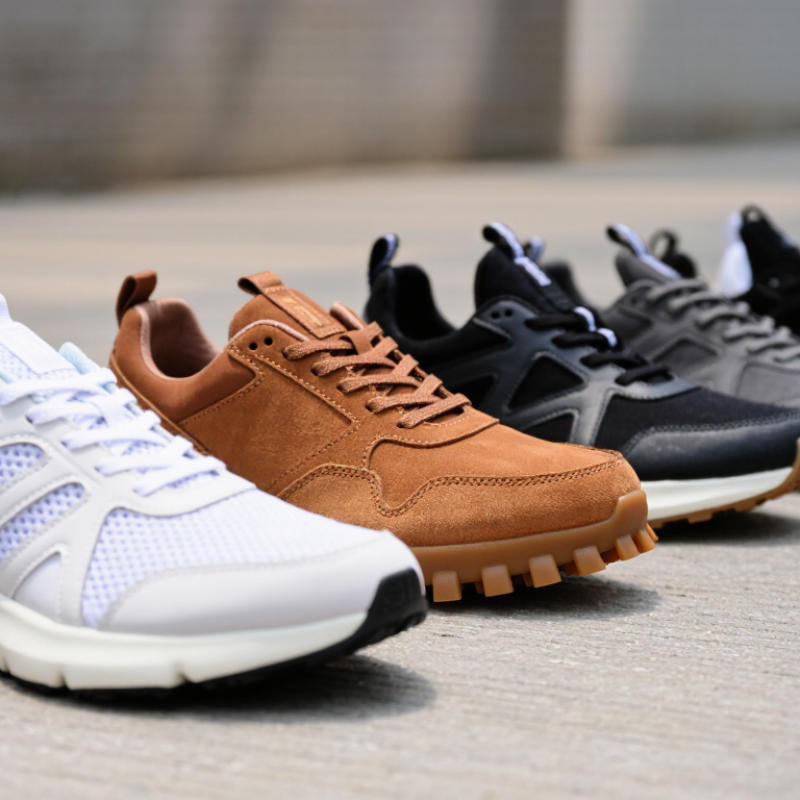
Market Scale: Grand View Research Valued Athletic Footwear at $133.8B in 2023
Why Are Men’s Sneakers in High Demand Worldwide?
Grand View Research valued the global athletic footwear market at $133.8 billion in 2023. Its estimate covers athletic footwear overall, not men’s sneakers alone. Still, it shows the scale of a category shaped by sport, daily comfort, and casual clothing. The firm projects a 4.9% compound annual growth rate from 2024 to 2030. That growth reflects broad demand, though it does not prove every segment is expanding equally.
For many men, sneakers move between settings: a morning walk, a commute, then errands on hard pavement. Lightweight materials, cushioned soles, and versatile designs can make one pair useful across several routines. Online shopping also makes styles and fit options easier to compare. But comfort is personal. A popular silhouette may still pinch at the toes or feel unstable after a long day. Market figures explain commercial momentum; they cannot tell shoppers which pair will suit their feet.
Tips: Check the fit while standing, with the socks you usually wear. Leave a little room at the toes, and walk several steps before deciding. A good-looking shoe is not always a good match. That part is easy to overlook.
Why Are Men's Sneakers in High Demand Worldwide? - Market Scale: Athletic Footwear Valued at $133.8B in 2023
Global market scale and demographic context
| Indicator |
Value |
Year |
What It Shows |
| Global athletic footwear market |
$133.8 billion |
2023 |
A large worldwide market provides scale for athletic footwear demand. This figure covers athletic footwear overall, not men’s sneakers alone. |
| World population |
About 8.0 billion people |
2023 |
A broad potential consumer base underpins demand across regions and age groups. |
| Male share of world population |
Approximately 50% |
2023 |
Indicates the scale of the male consumer population; it is demographic context, not a measure of sneaker purchases. |
| Urban share of world population |
About 57% |
2023 |
Urbanization provides context for demand in settings where walking, commuting, and casual footwear use are common. |
Note: The market value is for athletic footwear as a whole and should not be interpreted as the value of men’s sneakers specifically. Population figures are rounded estimates; demographic indicators describe market context rather than footwear sales.
Growth Outlook: The Same Market Is Forecast to Grow 4.9% Annually Through 2030
A projected annual growth rate of 4.9% through 2030 points to steady expansion in the men’s sneaker market. It is a forecast, not a promise. Still, even moderate growth can add up over several years as everyday footwear, sports use, and casual dress continue to overlap.
Several practical factors may support demand. Shoppers often want one pair that works for a commute, a short workout, and weekend errands. Comfort, durable soles, breathable uppers, and easy-to-clean materials can influence those choices. Online shopping also makes it simpler to compare sizes and prices, though fit remains tricky. A sneaker that looks right on a screen may feel stiff after a long walk.
The 4.9% outlook should be read with some caution. Results can vary by region, price range, and how researchers define the market. Household budgets matter, too; when costs rise, shoppers may keep an older pair longer. That is the less tidy part of the forecast. Growth may continue, but its pace will depend on whether new products offer useful improvements rather than just fresh colors.
Brand Revenue: Nike Reported $33.4B in Footwear Sales in FY2024
Men’s sneakers are in demand because one pair can move from a morning commute to a gym session without changing shoes. Comfortable cushioning, breathable mesh, and grippy soles meet practical needs, while clean designs work with everyday clothes. The scale is substantial: one major athletic-footwear company reported $33.4 billion in footwear revenue for FY2024, according to its Form 10-K. That figure reflects the category’s commercial reach, not proof that every customer wants the same style.
Industry context supports the trend. Grand View Research estimated the global athletic-footwear market at $127.3 billion in 2023 and projected 5.3% annual growth from 2024 to 2030. Men’s sneaker demand is also shaped by frequent use and replacement: worn heel lining or flattened cushioning is easy to notice on a daily walk. Still, revenue can hide important differences in price, region, and product type. A large sales number alone cannot explain why a particular pair sells.
Tips: Check the fit late in the day, when feet may be slightly swollen. Walk on a firm floor and test the heel grip. Don’t buy based on trend alone; a popular shoe can still feel wrong.
Everyday Style: How Sneakers Became a Mainstay Beyond Sports and Exercise
Men’s sneakers have stepped far beyond gyms and sports fields. They now fit office commutes, weekend errands, and relaxed dinners. A cushioned sole pairs easily with straight-leg trousers, while a clean, low-profile shape works with denim. Practicality matters: one pair can cover several parts of an ordinary day.
The market reflects that wider role. Grand View Research estimated the global athletic footwear market at USD 115.8 billion in 2023 and projected continued growth through 2030. APICCAPS’ World Footwear Yearbook 2024 reported 22.4 billion pairs of footwear produced worldwide in 2023; that figure covers all footwear, not sneakers alone, but shows the scale of the industry behind everyday shoe choices. Still, comfort is not everything. A sneaker can look awkward with a formal outfit, and trend-led designs may feel dated quickly. That mismatch is worth considering.
Tips: Match sneaker shape to the occasion, not just the outfit. Try them on later in the day, when feet may be slightly swollen, and check that the heel feels secure. A little room helps.
Product Appeal: How Comfort, Performance, and Design Sustain Men’s Demand
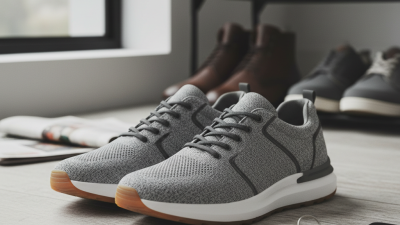
Men’s sneakers remain appealing because they can feel comfortable, work across different activities, and suit everyday clothing. Comfort depends on more than soft cushioning. A stable heel, flexible forefoot, and breathable upper can make long hours on hard floors easier. A roomy toe box also matters, especially when feet swell during the day. Fit varies. A shoe that feels supportive in a shop may rub after a long walk, so trying it on later in the day can reveal useful details.
Performance features shape demand, too. Rubber outsoles with clear tread patterns can provide grip on common urban surfaces, while lighter materials may feel less tiring during daily errands. But no single sneaker does everything well. A very soft sole may feel pleasant at first yet offer less stability for some wearers. People who run regularly should look for footwear suited to that activity, rather than assuming casual sneakers provide the same support.
Design keeps these practical features easy to wear. Clean colors can pair with work-casual trousers, jeans, or shorts, while stitched panels and textured fabrics add visual interest without feeling loud. Small details count: a padded collar can reduce rubbing, and a simple lace layout can make fit adjustments easier. Still, style is personal, and popular shapes do not suit every foot or wardrobe. That judgment takes trial and error.
The global athletic footwear market provides context for men’s sneaker demand, where comfort, performance, and design can influence product appeal. This market-wide estimate is not specific to men’s sneakers. The 2024–2030 figures are projections calculated by applying a 4.9% annual growth rate to the 2023 estimate of US$133.1 billion.