Shose expert

15 Years Manufacturing Experience
DSC00533

Top 10 Running Shoes for Global Buyers in 2026

Running Shoes are no longer chosen by appearance alone. Global buyers now compare cushioning, stability, durability, fit, and environmental claims. Grand View Research valued the global athletic footwear market at approximately USD 152.5 billion in 2023. Its forecast expects continued growth through 2030, supported by recreational running and health-focused lifestyles. The market is expanding, but buying decisions remain personal.

Participation data supports this demand. The Sports & Fitness Industry Association reported millions of Americans running or jogging regularly in its recent participation research. Similar growth appears across Asia, Europe, and Latin America, although access, climate, road surfaces, and pricing differ widely. A shoe that feels excellent on dry pavement may feel unstable on wet tiles. Small details matter.

Biomechanics researcher Dr. Benno Nigg has often emphasized, “The best shoe is the shoe that feels best.” That principle guides this 2026 selection. Each model will be examined through fit, ride, construction, use case, and independent testing evidence. We will consider road miles, treadmill sessions, long commutes, and uneven sidewalks. Not every claim deserves equal trust.

Our shortlist is not flawless.

Laboratory numbers cannot fully predict comfort after 300 kilometers. Marketing language can also hide limitations. Therefore, this guide separates measurable performance from personal preference. It highlights suitable options for beginners, daily trainers, marathon preparation, wide feet, and value-focused buyers. Prices and availability may vary by country. Readers should still check local sizing and return policies before purchasing.
Top 10 Running Shoes for Global Buyers in 2026

How the Top 10 Running Shoes for Global Buyers in 2026 Are Selected

The top 10 running shoes for global buyers in 2026 are selected through evidence, not popularity alone. The World Health Organization recommends 150–300 minutes of moderate activity weekly. That demand requires dependable cushioning, stable transitions, and durable outsoles. Each model is reviewed across road surfaces, wet pavement, heat, and colder conditions. Fit is tested with different foot widths and realistic sock thicknesses.

Evidence matters here. The American College of Sports Medicine’s Worldwide Survey of Fitness Trends 2025 ranked wearable technology among the leading trends. This supports tracking mileage, recovery, and shoe wear during testing. World Athletics’ 2024 technical rules also limit competition shoe height to 40 millimeters. That rule informs racing analysis, although everyday runners need broader comfort criteria. A shoe can feel fast but become tiring after ten kilometers.

Selection also considers regional access, return policies, repairability, price conversion, and material transparency. The International Organization for Standardization’s ISO 20957 framework reinforces careful equipment testing, but running shoes still lack one universal consumer rating system. That gap deserves attention. Personal gait, body mass, terrain, and climate can change results. Laboratory scores help, yet a rainy commute may reveal more than a perfect treadmill session.
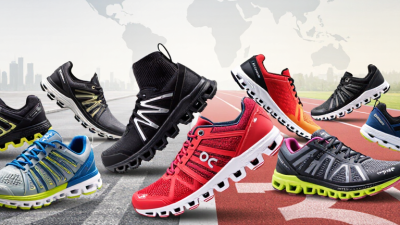
Key Performance Features Across Different Running Shoe Categories

Top 10 Running Shoes for Global Buyers in 2026

Running shoes should match movement, surface, and training purpose. The World Health Organization reports that 31% of adults worldwide remain physically inactive. Comfortable footwear may help people maintain regular activity, but it cannot replace gradual training.

Daily trainers need balanced cushioning, durable rubber, and a secure heel. Stability shoes can guide excessive inward motion, although support should not feel corrective or rigid. Lightweight tempo shoes benefit from responsive foam and a flexible forefoot. Racing shoes often use stiff plates and tall midsoles, but these features may reduce comfort during easy runs.

Trail shoes require deeper lugs, reinforced uppers, and stable platforms for loose ground. Road shoes usually need smoother rubber and lighter construction. World Athletics’ 2026 technical rules also underline that racing footwear must stay within regulated design limits. That matters for serious global buyers.

Tips: Check the outsole after 30 kilometers. Uneven wear can reveal poor fit or inefficient movement. Measure both feet late in the day. Leave about one thumb-width ahead of the longest toe. Review independent lab tests, not only advertisements. The ACSM recommends building exercise gradually, yet shoe testing often ignores fatigue. I have found that a perfect first impression can become pressure after an hour. Climate matters, too. Breathable mesh may help in humid cities, while insulated uppers suit colder routes. No category wins everywhere.

Top 10 Running Shoes Compared by Use, Fit, and Running Style

Top 10 Running Shoes for Global Buyers in 2026

The leading ten choices should be compared by purpose, fit, and running style, not appearance. Daily trainers suit steady road miles and forgiving routines. Lightweight tempo shoes support faster sessions, while racing models favor efficient runners seeking speed. Trail shoes need deeper lugs for loose soil, wet roots, and uneven stones. For beginners, stable cushioning can feel safer during long walks and slow jogs. Minimal designs may improve ground feedback, but they demand gradual adaptation.

Fit changes across countries and manufacturers, so measure both feet late in the day. Leave roughly one thumb of space beyond the longest toe. A narrow heel should not lift when climbing stairs. Wide feet need room across the forefoot, not simply a larger length. I test shoes with ordinary running socks because thick socks can hide pressure points. Small details matter.

Heat, rain, and pavement also influence the better choice. Breathable uppers help in humid cities, while water-resistant layers may feel too warm in tropical weather. Soft midsoles can protect tired legs, yet excessive softness sometimes reduces control on sharp turns. I once selected cushioning that felt luxurious in a store but unstable after twelve kilometers. That mistake still shapes my advice. Rotate between two pairs when possible, and judge comfort after several runs, not one short fitting. Local return policies, sizing charts, and surface conditions deserve equal attention.

Top 10 Running Shoes for Global Buyers in 2026

Top 10 Running Shoes Compared by Use, Fit, and Running Style

This comparison uses representative, brand-neutral shoe profiles. Weight is the typical weight of one shoe in a men’s US size 9, while heel-to-toe drop is measured in millimeters. Lower weight generally supports faster running, while higher cushioning and a larger drop may suit daily mileage, recovery runs, or runners who prefer more underfoot protection.

Regional Buying Factors: Climate, Sizing, Availability, and Pricing

Top 10 Running Shoes for Global Buyers in 2026

Regional buying decisions should begin with climate, not color or advertising. The World Meteorological Organization reported that 2023 was the warmest year recorded. Hot, wet markets need breathable uppers, drainage, and outsole rubber that grips slick pavement. Cold regions may value insulation, thicker socks, and flexible cushioning that remains comfortable outdoors. Coastal runners also face faster material wear from moisture and salt. Small details matter.

Sizing requires more discipline than converting US, UK, and European labels. ISO 9407 defines Mondopoint sizing through foot length in millimeters. Buyers should measure both feet late in the day. Leave roughly 10–15 millimeters ahead of the longer foot. That number is practical, but not universal. Foot width, swelling, and sock thickness can change the fit. I would not trust a size chart alone.

Availability and pricing reveal another regional gap. The World Footwear Yearbook 2024 recorded more than 20 billion pairs of footwear consumed globally in 2023, yet supply remains uneven across markets. Import duties, currency movements, and last-mile costs can make identical shoes priced very differently. The World Bank’s logistics research also shows that border efficiency affects delivery reliability. Check local inventory, return rules, and delivery estimates before ordering. This approach is imperfect. Weather data can be broad, and online reviews may overrepresent enthusiastic runners. Test fit locally when possible, especially for long-distance use.

Top 10 Running Shoes for Global Buyers in 2026 — Regional Buying Factors: Climate, Sizing, Availability, and Pricing
Rank Anonymous Shoe Profile Best Use Approx. Weight* Cushioning & Support Climate Suitability Recommended Size Check Regional Availability Outlook Typical Retail Price Range (USD) Key Buying Considerations
1 Balanced Daily Trainer Everyday road running, walking, and beginner training 260–300 g per shoe Medium-high cushioning; neutral support; flexible forefoot Temperate Dry Urban Allow 8–12 mm toe room; compare foot length in centimeters with the seller’s chart. Standard width usually fits average feet. High in North America, Europe, East Asia, and major Middle Eastern cities; moderate elsewhere. $90–$150 Best all-round choice. Look for breathable mesh in warm regions and reflective details for darker winter conditions.
2 Max-Cushion Comfort Trainer Long easy runs, recovery runs, and high-impact comfort 290–340 g per shoe High cushioning; stable platform; soft-to-medium ride Cool Temperate Dry Check internal volume carefully because thick midsoles can make the shoe feel taller. Consider wide sizing for swollen feet on long runs. High through specialist running retailers; moderate in smaller markets because shipping costs are higher. $120–$190 Comfortable for heavier training loads, but less suitable for very hot climates if the upper is heavily padded.
3 Lightweight Speed Trainer Tempo runs, intervals, and recreational races 210–250 g per shoe Medium cushioning; responsive foam; mildly firm platform Warm Dry Temperate Use a secure heel fit and leave about one thumb’s width at the toe. Thin uppers may require a slightly different fit than daily trainers. Moderate to high in large cities; limited color and size choices are common in emerging markets. $110–$180 Good balance between speed and durability. Avoid overly narrow lasts if feet expand during hot-weather training.
4 Water-Resistant Road Trainer Wet commutes, rainy-season running, and mixed urban surfaces 285–330 g per shoe Medium cushioning; stable heel; weather-resistant upper Rainy Cool Urban Wear the socks normally used in wet weather when measuring. Water-resistant membranes may reduce stretch and require extra width. Moderate globally; commonly stocked in markets with wet winters, but less available in tropical regions. $110–$175 Helps keep light rain out, but no low-cut running shoe is fully waterproof in deep puddles. Expect lower breathability.
5 Hot-Climate Breathable Trainer Daily running in tropical and desert environments 235–285 g per shoe Medium cushioning; highly ventilated upper; flexible sole Hot Humid Dry Allow extra space for heat-related foot swelling. Choose moisture-wicking socks and check whether the upper has a secure midfoot fit. High in Southeast Asia, Australia, coastal regions, and Gulf cities; moderate in colder markets. $80–$145 Ventilation is a priority. Very open mesh may provide less protection from dust, sand, and sudden rain.
6 Stability Trainer Road running for runners who prefer structured guidance 285–335 g per shoe Medium-high cushioning; broad base; guidance elements through the midsole Temperate Cool Urban Do not size solely by arch-support needs. Match heel width, forefoot width, and actual foot length; professional fitting is useful for persistent discomfort. High in established running markets; moderate in countries where specialist fitting stores are less common. $105–$170 Support features should feel unobtrusive. A stability shoe is not automatically appropriate for every runner.
7 Wide-Fit Comfort Trainer Wide feet, bunions, orthotic use, and long-distance comfort 275–325 g per shoe Medium-high cushioning; roomy toe box; stable heel counter All-season Warm Cool Measure both feet late in the day. Compare width labels because “wide” is not standardized across countries or manufacturers. Moderate globally; wide sizes are often harder to find outside North America, Europe, Japan, and Australia. $95–$165 Reduces toe pressure, but a roomy forefoot should still hold the heel securely. Check return policies before international ordering.
8 Hybrid Road-to-Trail Trainer City roads, park paths, compact gravel, and light trails 285–345 g per shoe Medium cushioning; durable outsole; moderate traction Mixed terrain Rainy Dry Test the shoe with trail socks if used outdoors. A snug midfoot and secure heel are more important than an extremely soft feel. Moderate to high in Europe, North America, Australia, and outdoor-focused markets; moderate elsewhere. $100–$170 Versatile for travel, but not a substitute for a dedicated trail shoe on mud, steep rock, or technical terrain.
9 Budget Training Shoe Beginner running, gym workouts, and occasional use 280–350 g per shoe Medium cushioning; durable rubber; basic neutral geometry Temperate Dry Urban Prioritize correct length and heel security over small price differences. Check that the insole is removable if using custom inserts. Very high through department stores and online marketplaces; local size ranges may be narrower than online listings. $45–$90 Strong value for moderate mileage. Durability and cushioning consistency may be lower than in premium trainers.
10 Cold-Weather Reflective Trainer Winter road running, early-morning training, and low-light conditions 295–350 g per shoe Medium cushioning; durable outsole; reflective upper details Cold Wet Low light Allow room for winter socks without letting the heel slip. Check traction patterns and confirm whether the upper is water-resistant or merely treated. High in Northern Europe, Canada, Japan, and northern United States; limited seasonal stock in warm regions. $95–$165 Prioritize grip, visibility, and layering space. Ice-specific traction may require separate accessories or specialized footwear.

*Weight is an indicative range for one shoe in a typical adult sample size. Prices are approximate 2026 international retail ranges before taxes, import duties, shipping, exchange-rate changes, and local promotions. Availability and sizing vary by country and retailer.

How to Choose the Best 2026 Running Shoes for Individual Needs

Choosing the best 2026 running shoes starts with your body, route, and routine, not a ranking list. A shoe that feels excellent on a treadmill may feel harsh on wet pavement. Walk for several minutes before running. Your heel should stay secure, while your toes need room to spread.

Measure both feet late in the day, when swelling is more likely. Leave about a thumb’s width beyond the longest toe. Try shoes with the socks you normally wear. Test them with slow jogs, sharp turns, and gentle stops. Any rubbing near the heel or little toe deserves attention.

Match the outsole to your usual surface. Road shoes suit smooth streets, while deeper lugs provide better grip on loose paths. Lightweight designs can feel quick, but they may offer less comfort during long sessions. Cushioned models soften impact, yet excessive softness can reduce stability for some runners. There is no universal best choice.

Consider heat, rain, and travel conditions across your region. Breathable mesh helps in humid cities, while water-resistant materials may suit colder climates. Check sizing charts carefully because measurements differ between manufacturers. A generous return policy matters when online fitting is uncertain. I have sometimes trusted a comfortable first step too quickly. A short trial can reveal pressure that appears only after several kilometers. Pain is not a normal break-in signal. Stop, reassess, and seek qualified professional advice when discomfort continues.