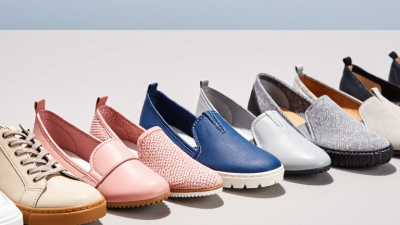
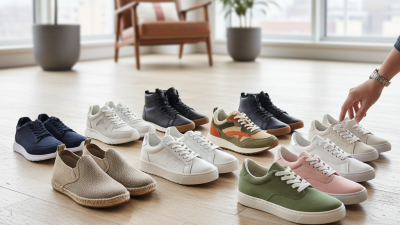
Buying Casual Shoes in Bulk can look like a simple price comparison, but the real decision reaches beyond the number on a supplier’s quote. A carton of shoes may arrive in neat rows, yet sell-through can vary sharply by size, color, material, and season. A small retailer ordering for a busy autumn period needs different quantities from an online seller testing a new style. Details matter.
This guide introduces ten practical tips for planning a bulk purchase, from checking samples and size curves to reviewing quality standards, delivery timelines, and return terms. It also considers how to compare landed cost rather than unit price alone. A soft insole, clean stitching, and flexible sole are easy to inspect in person. They are harder to judge from a polished product photo. Ask for clear specifications. Keep records.
For transparency, the named specialist below is fictional, and the quotation is an original editorial line, not a sourced industry statement. Fictional footwear sourcing specialist Maya Chen puts the principle this way: “A good bulk deal is one customers will still want after the first fitting.” That is a useful test, though not a complete buying formula. No checklist is perfect. Sales forecasts can miss, samples may differ from production, and even a careful buyer can misjudge demand. The tips ahead are designed to reduce avoidable surprises, not promise a risk-free order. Before committing, compare the supplier’s claims with physical samples and written terms. A few extra questions now can prevent a warehouse full of Casual Shoe inventory that fits nobody’s plan.
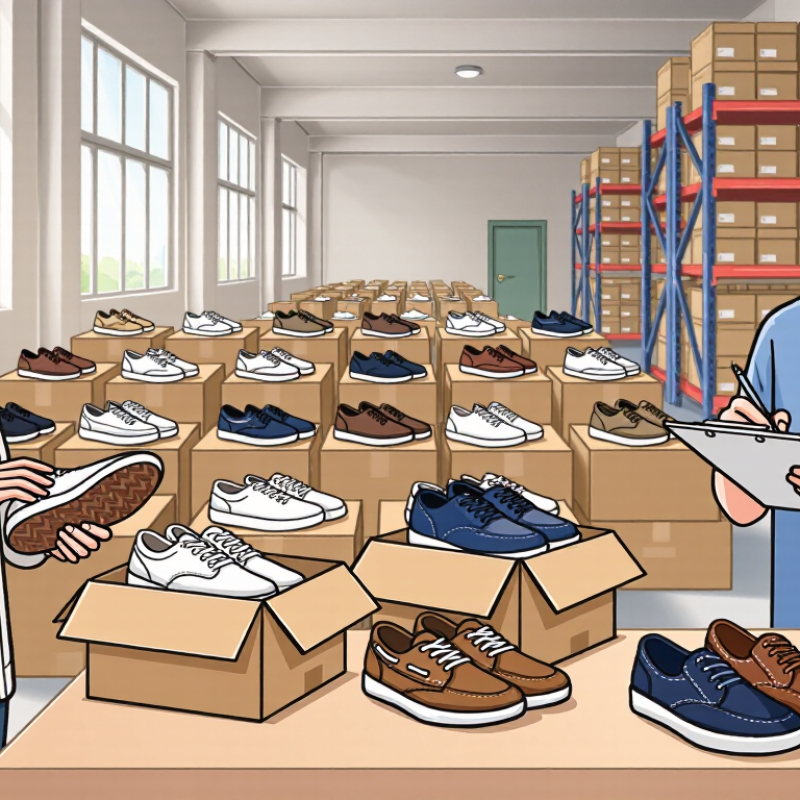
Before requesting quotes, define what the shoes must do. Are customers seeking lightweight pairs for daily errands, supportive styles for long shifts, or simple designs for school? Write down the intended use, price range, season, size range, and sales channel. Start with evidence. Ask current buyers which sizes sell out and which colors remain on shelves. A short survey and recent sales records can reveal more than guesswork. Not every pattern will repeat.
Then describe the target customer in practical terms: typical age range, daily activities, fit concerns, and preferred shopping method. McKinsey’s 2021 Next in Personalization report found that 71% of consumers expect personalized interactions. That supports offering relevant choices, not ordering every style in every size. For online buyers, delivery expectations also matter: DHL’s 2024 eCommerce Trends Report found that 81% of shoppers may abandon a purchase when their preferred delivery option is unavailable. Use that insight when planning fulfillment and order quantities. Still, broad reports cannot predict local demand. Test a modest mix, track sell-through by size and style, and adjust the next order. A neat spreadsheet helps, but it can miss the customer who needs extra room in the toe box.
Planning note: The quantities and mix suggestions below are illustrative starting points, not market statistics. Adjust them using your sales history, customer feedback, and supplier minimum order quantities.
| Tip | What to Define | Target Customer Example | Useful Demand Signals | Bulk-Buying Action |
|---|---|---|---|---|
| 1. Set the purpose of the order | Decide whether the shoes are for resale, staff use, an event, or a uniform program. | Retail customers, employees, event attendees, or program participants. | Order deadline, intended use, budget, and expected number of wearers. | Separate the order by purpose so product requirements and delivery dates are clear. |
| 2. Describe your core customer | Identify the customers’ typical age range, lifestyle, fit preferences, and price expectations. | For example, adults seeking everyday shoes for commuting, errands, or casual workplaces. | Customer inquiries, previous purchases, returns, and feedback about comfort or fit. | Choose styles and materials that match observed customer needs rather than a broad guess about the market. |
| 3. Choose the intended use | Clarify whether customers need shoes for daily walking, light work, travel, or occasional wear. | Commuters may prioritize easy care and cushioning; casual office customers may prefer a cleaner look. | How often the shoes will be worn and the surfaces or settings they will be used on. | Compare construction, sole grip, cushioning, and care instructions with the intended use. |
| 4. Set a price range | Determine the target selling price or per-person budget before selecting products. | Value-focused shoppers, mid-range buyers, or customers looking for upgraded materials. | Past sales by price point, budget limits, and the total landed cost of the order. | Allow for freight, duties where applicable, taxes, packaging, and potential defects when calculating cost. |
| 5. Plan sizes using evidence | Specify the sizing system and collect size preferences where possible. | Customers purchasing for themselves or coordinators ordering for a group. | Prior size-level sales, fitting records, customer surveys, and the supplier’s size chart. | Request a size breakdown based on available records; avoid assuming that sizes will sell evenly. |
| 6. Decide on fit requirements | Check whether customers need standard, wide, narrow, or adjustable-fit options. | Customers who report fit issues or groups with varied comfort needs. | Fit-related questions, exchange reasons, product reviews, and sample try-ons. | Confirm fit details with samples and make the exchange policy clear before placing a large order. |
| 7. Limit the style and color range | Choose a manageable assortment of silhouettes and colors that serve the target customer. | Customers who prefer versatile everyday footwear, or groups requiring a consistent appearance. | Past style-level sales, color requests, and any dress-code requirements. | Prioritize proven options and verify whether each color and style has its own minimum order quantity. |
| 8. Set an initial order quantity | Calculate the required quantity from confirmed demand, planned stock coverage, and storage capacity. | A retailer replenishing stock or an organization ordering for a known group. | Confirmed orders, recent sales rate, lead time, and available storage space. | Use a conservative first order when demand is uncertain, then replenish using actual sales or usage. |
| 9. Check quality and consistency | Define acceptable standards for materials, stitching, sizing, color, and packaging. | Customers expecting dependable everyday wear or recipients receiving matching items. | Sample inspection, product specifications, defect history, and written quality requirements. | Approve a sample and agree on inspection, defect handling, and replacement terms before production or shipment. |
| 10. Match the order to your timeline | Set the required delivery date and account for production, shipping, inspection, and receiving. | Retailers preparing for a selling period or organizers working toward a fixed event date. | Supplier lead time, shipping method, receiving capacity, and the date products must be available. | Confirm the schedule in writing and leave time to resolve delays, sizing issues, or damaged cartons. |