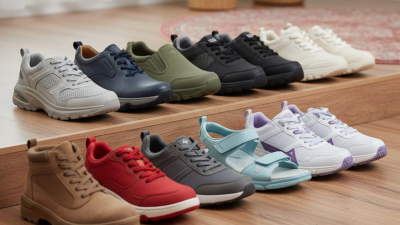
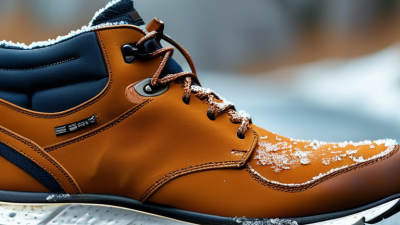
Choosing the right Safety Shoes For Men is not simply about finding the hardest toe cap or the lowest price. A warehouse worker, electrician, construction professional, and delivery driver face different daily hazards. Wet floors, falling tools, sharp debris, heat, static electricity, and long hours can all affect the best choice.
Footwear specialist and podiatrist Dr. Paul Langer offers a practical reminder: “The best shoe is the one that fits the person and the activity.” That idea matters when comparing the top ten types of safety shoes for men. A steel-toe boot may protect against heavy impact, while a composite-toe model can reduce weight and improve comfort in some workplaces. Slip-resistant soles may be more important than toe protection for restaurant staff. Electrical hazard protection also requires careful attention to workplace conditions.
Small details often decide real-world comfort. Look at heel stability, toe-box space, insole support, stitching, outsole grip, and breathability. Try shoes with the socks you normally wear. Walk on a firm surface. Bend your toes.
Do not trust labels blindly.
Even experienced buyers can miss fit problems after a few minutes of testing. I have found that a comfortable shoe indoors may feel restrictive after eight hours on concrete. This guide examines ten common safety shoe types, their strengths, limitations, and suitable work environments. It also questions a common assumption: maximum protection does not always mean maximum usefulness. The safest pair is the one that matches the hazard, fits securely, and remains wearable throughout the shift.
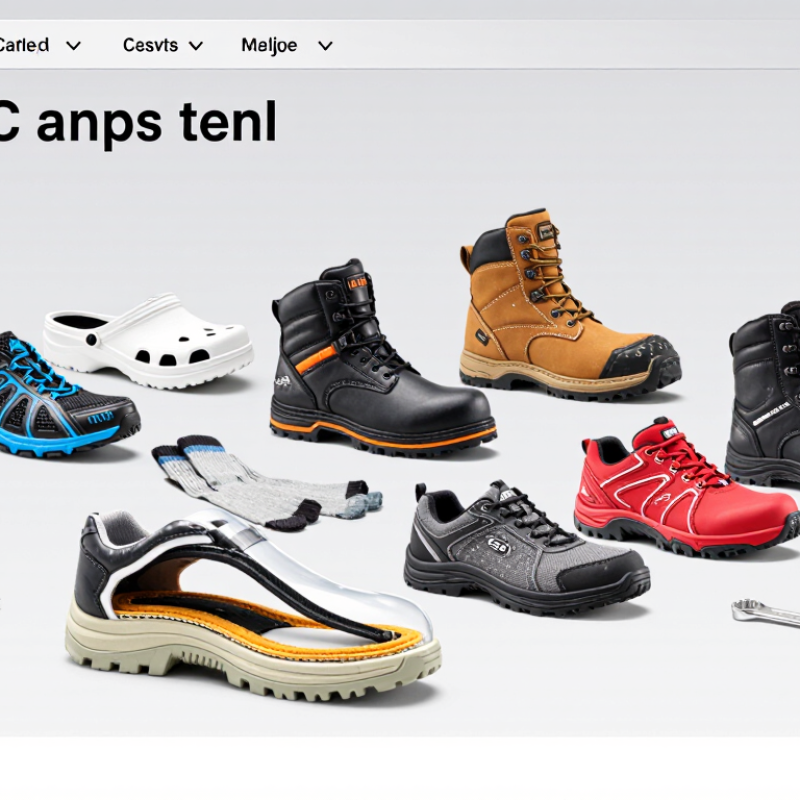
Safety shoes are not one universal product.
The right pair depends on the hazard under your feet. Common types include steel-toe, composite-toe, alloy-toe, metatarsal-guard, electrical-hazard, slip-resistant, puncture-resistant, waterproof, heat-resistant, and anti-static shoes.
ASTM F2412 and ASTM F2413 test impact and compression resistance for protective toe footwear. Electrical-hazard footwear requires different testing and should not be confused with ordinary insulation.
Materials change the wearing experience. Steel offers strong impact protection but feels heavier in long shifts. Composite materials reduce weight and avoid metal detection issues, yet they may behave differently in extreme cold. Leather can resist abrasion and mold around the foot. Synthetic uppers often dry faster.
The U.S. Bureau of Labor Statistics reported about 2.6 million nonfatal private-industry workplace injuries and illnesses in 2023. That figure covers all body areas, but it shows why hazard-based equipment selection cannot be casual. Standards help; they do not replace a workplace risk assessment.
Tips: Check the marking inside each shoe. Match it with the hazard assessment, not the product name. Leave thumb-width space before the toes, but prevent heel lift. Try shoes after a workday, when feet are slightly swollen. Replace them when the sole loses traction or the protective toe deforms. I have found that “comfortable” can be misleading during a five-minute fitting. Walk, squat, and climb a step. Fit is not perfect science.
Choosing safety shoes starts with the hazard, not the appearance. The toe cap is only one part of protection. Steel-toe shoes remain popular for heavy impact and compression risks. They usually feel solid and familiar. However, steel can feel colder in winter and warmer near heat. It may also add noticeable weight during long shifts. A cramped toe box defeats good protection. Comfort is not optional.
Composite-toe shoes use nonmetallic materials, often reinforced polymers or layered fibers. They are usually lighter and do not conduct temperature like steel. This can help workers moving between indoor and outdoor areas. Composite toes may suit sites with metal-detection controls. They still require verified impact and compression ratings. “Nonmetallic” does not mean automatically stronger or safer. Fit varies widely.
Alloy-toe shoes use lightweight metals such as aluminum or titanium blends. The cap can be thinner than steel, giving toes more interior room. Many workers appreciate that reduced bulk. Yet alloy still conducts heat and cold. It may also trigger metal screening. Do not choose by weight alone. Compare toe coverage, sole grip, puncture resistance, waterproofing, and electrical protection. Those features define the other safety-shoe types. Check the product’s current certification and workplace requirements. A careful fitting test helps: walk, kneel, and climb stairs. If your toes touch the cap, reject the pair. Even experienced buyers sometimes prioritize a sleek shape over real hazard control. That mistake deserves another look.
Electrical hazard, slip-resistant, and puncture-resistant shoes serve different workplace risks. Choosing the right pair starts with identifying the hazards underfoot.
Electrical hazard shoes help reduce electrical contact risks when used correctly. They are not a guarantee against shock. Check the product rating, inspect the sole, and avoid relying on them around water or damaged wiring.
Slip-resistant shoes use tread patterns and rubber compounds to improve traction on oily, wet, or polished floors. Deep grooves can help, but worn tread changes everything. Replace them when the pattern becomes smooth.
Puncture-resistant safety shoes include protective plates between the insole and outsole. These plates can help block nails, sharp metal, and broken materials. However, coverage and testing can differ, so review the manufacturer’s technical information.
A safety toe may also protect against impact and compression. Comfort matters more than many buyers expect. Tight boots can cause numbness, while loose boots may create blisters and unstable steps. I have noticed that workers often focus on protection ratings and forget how fatigue affects careful movement. That judgment can be wrong.
Tips: Match the shoe to the hazard. Try it with work socks. Check the fit at the end of the day. Inspect seams, tread, and soles weekly. Replace damaged footwear promptly.
Safety shoes should match the hazards around your feet, not just your job title. Waterproof shoes help when rain, washdown water, or wet floors are common. Look for sealed stitching, gusseted tongues, and slip-resistant outsoles. Chemical-resistant shoes need materials tested for the liquids you handle, since “chemical-resistant” does not mean resistant to everything. Always check the manufacturer’s material chart before buying.
Insulated safety shoes protect against cold floors and outdoor winter conditions. Too much insulation, however, can make feet sweat indoors. Metatarsal-guard shoes add protection across the upper foot, which is useful near falling tools, heavy pipes, or moving equipment. Other practical choices include waterproof insulated shoes, chemical-resistant boots, metatarsal-guard boots, lightweight composite-toe shoes, and electrical-hazard-rated footwear. Protection levels differ, so read the product documentation carefully. A strong toe cap cannot replace a metatarsal guard.
Tips: Try shoes with your work socks near the end of the day. Feet usually swell slightly. Check heel movement, toe space, and pressure across the metatarsals. For chemical work, inspect the soles after each shift and replace damaged pairs. I once underestimated interior moisture; dry-looking boots still caused discomfort after several hours. That small detail matters. No shoe solves every hazard. Choose based on exposure, temperature, surface conditions, and daily wear time.
Top 10 Types of Safety Shoes for Men to Buy
Choosing safety shoes starts with your workplace, not appearance. In my experience, a warehouse worker needs different protection from an electrician or construction worker. Common options include steel-toe, composite-toe, alloy-toe, metatarsal-guard, electrical-hazard, slip-resistant, puncture-resistant, waterproof, insulated, and chemical-resistant shoes. Each type solves a specific problem. Some shoes combine several features, but extra protection can increase weight and reduce comfort.
Walk through your work area before buying. Look for oil, wet floors, sharp debris, heavy materials, extreme temperatures, or exposed electrical equipment. Check the shoe’s certified protection ratings and confirm they match your employer’s requirements. Try both shoes with your usual work socks. Your toes should move freely, while your heel should stay secure. A strong toe cap cannot fix poor fit. I once underestimated the effect of thick socks during winter shifts, and the shoes became uncomfortable within hours. That mistake changed how I judge size and insulation.
Tips: Wear the shoes for a short trial before a full shift. Bend, kneel, and climb stairs in them. Check the sole after several days for unusual wear. Replace damaged footwear promptly. Waterproofing may weaken over time, and slip resistance is not permanent. Comfort matters, but protection comes first. Still, comfort supports safer movement.
| No. | Safety Shoe Type | Main Protection | Recommended Workplaces | Key Advantages | Important Limitations | What to Check Before Buying |
|---|---|---|---|---|---|---|
| 1 | Steel-Toe Work Boots | Protective toe cap against impact and compression; often available with puncture-resistant soles. | Construction, heavy manufacturing, warehousing, and material handling. | Strong and widely available; suitable for demanding industrial work. | Heavier than composite-toe footwear and may feel colder in low-temperature conditions. | Confirm the toe-cap impact and compression rating, sole slip resistance, fit, and applicable safety standard. |
| 2 | Composite-Toe Safety Shoes | Non-metallic toe protection made from materials such as fiberglass, carbon fiber, or reinforced polymers. | Airports, electrical work areas, manufacturing, logistics, and workplaces requiring metal-detector access. | Lighter than steel-toe designs and does not conduct heat or cold as readily. | Usually bulkier in the toe area and may provide less protection against some extreme crushing forces, depending on certification. | Check certified impact and compression performance, toe-box width, and whether the footwear meets site requirements. |
| 3 | Electrical Hazard Safety Shoes | Designed to reduce the risk of electric shock when the footwear is dry and used under its tested conditions. | General construction, utility support, maintenance, and environments with possible contact with energized circuits. | Can add an extra layer of protection for certain electrical hazards. | Not a substitute for electrical isolation, lockout procedures, insulated gloves, or other required PPE; performance can be affected by moisture and wear. | Verify the exact electrical rating, test conditions, dry-use requirements, and inspection schedule. |
| 4 | Slip-Resistant Safety Shoes | Outsoles designed to improve traction on wet, oily, or smooth surfaces. | Food service, kitchens, healthcare, cleaning services, retail, and facility maintenance. | Helps reduce common slip risks and is often lighter and more flexible than heavy work boots. | Traction depends on floor contamination, tread condition, cleaning, and the specific test method. | Look for a documented slip-resistance test, suitable tread pattern, easy-clean materials, and a secure heel fit. |
| 5 | Waterproof Safety Boots | Helps keep feet dry while providing safety-toe and outsole protection when certified. | Outdoor construction, agriculture, landscaping, utilities, and wet industrial areas. | Useful in rain, mud, and wet work zones; commonly available with durable outsoles. | May reduce breathability and feel warmer; waterproof performance can decline if seams, membranes, or coatings are damaged. | Check waterproof construction, boot height, drainage needs, toe protection, and sole grip on wet surfaces. |
| 6 | Puncture-Resistant Safety Shoes | Midsole protection against penetration from nails, screws, sharp scrap, and similar objects. | Construction, demolition, recycling, roofing, woodworking, and renovation sites. | Reduces the risk of sole penetration while walking over debris-covered surfaces. | Does not protect against every sharp object or side impact; metal plates may add weight and reduce flexibility. | Confirm penetration-resistance certification, coverage area, flexibility, and compatibility with the required toe protection. |
| 7 | Metatarsal Guard Boots | Protects the toe and upper foot from falling or rolling objects using an external or internal metatarsal guard. | Foundries, heavy manufacturing, metal fabrication, mining, and industrial material handling. | Provides more coverage than toe protection alone in high-impact environments. | Heavier and less flexible; the guard can make kneeling and driving less comfortable. | Check metatarsal impact performance, guard coverage, mobility, closure security, and heat resistance where applicable. |
| 8 | Heat-Resistant Safety Boots | Materials and outsoles designed to tolerate elevated surface temperatures for a specified period. | Welding, asphalt work, foundries, bakeries, glass production, and hot manufacturing areas. | Helps protect footwear from heat-related damage and reduces heat transfer through the sole. | Heat resistance is not the same as complete protection from burns; boots may be less breathable. | Match the tested heat rating to the actual temperature, exposure time, chemicals, and toe-protection requirements. |
| 9 | Chemical-Resistant Safety Boots | Resists selected chemicals through compatible materials such as rubber, PVC, or specialized polymers. | Chemical processing, laboratories, agriculture, sanitation, waste management, and industrial cleaning. | Can help limit footwear degradation and skin exposure from specific liquids or substances. | No single material resists every chemical; permeation, temperature, concentration, and exposure time matter. | Consult the chemical-resistance chart and safety data sheets; confirm boot height, sealing, cleaning, and replacement procedures. |
| 10 | Lightweight Safety Sneakers | Usually combines a safety toe with slip-resistant outsoles and flexible upper materials. | Light manufacturing, warehouses, delivery work, retail stockrooms, and indoor maintenance. | Comfortable for walking and standing; generally more breathable and flexible than traditional boots. | May offer less ankle support, water protection, durability, and underfoot protection than industrial boots. | Check safety certification, sole durability, toe-box comfort, arch support, cushioning, and whether the workplace permits low-cut footwear. |