Choosing the right casual shoes is less about chasing trends and more about matching your day. In 2026, men can choose from clean leather sneakers, canvas low-tops, slip-ons, loafers, and rugged hybrid styles. Each type serves a different purpose. A leather sneaker pairs easily with dark jeans and a relaxed jacket, while canvas shoes feel lighter for warm afternoons and quick errands. Comfort matters.
This guide explores the leading Casual Shoes For Men and explains what sets each style apart. It considers practical details such as cushioning, breathable materials, grip, and ease of care. A flexible sole may feel pleasant on a short walk, but it can offer too little support for hours on your feet. Small details count. The best choice depends on your routine, climate, wardrobe, and fit—not just a product photo or seasonal trend. Some styles overlap, and no ranking can suit every man. That is practical. Use the comparisons to narrow your options, then check sizing and construction before buying. A shoe should look right, but it should also feel comfortable after a full day.
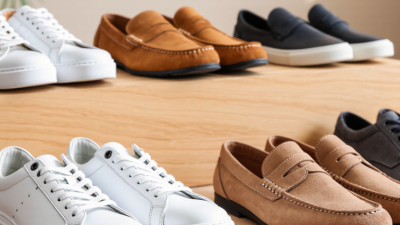
Men’s casual shoes in 2026 cover several distinct categories, each suited to a different pace and setting. Low-top sneakers work well for errands, travel, and relaxed offices. Look for a flexible sole and enough room across the toes. Small details matter. A padded heel can reduce rubbing on a long walk, while a stiff sole may feel tiring after hours.
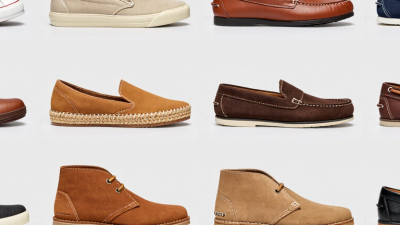
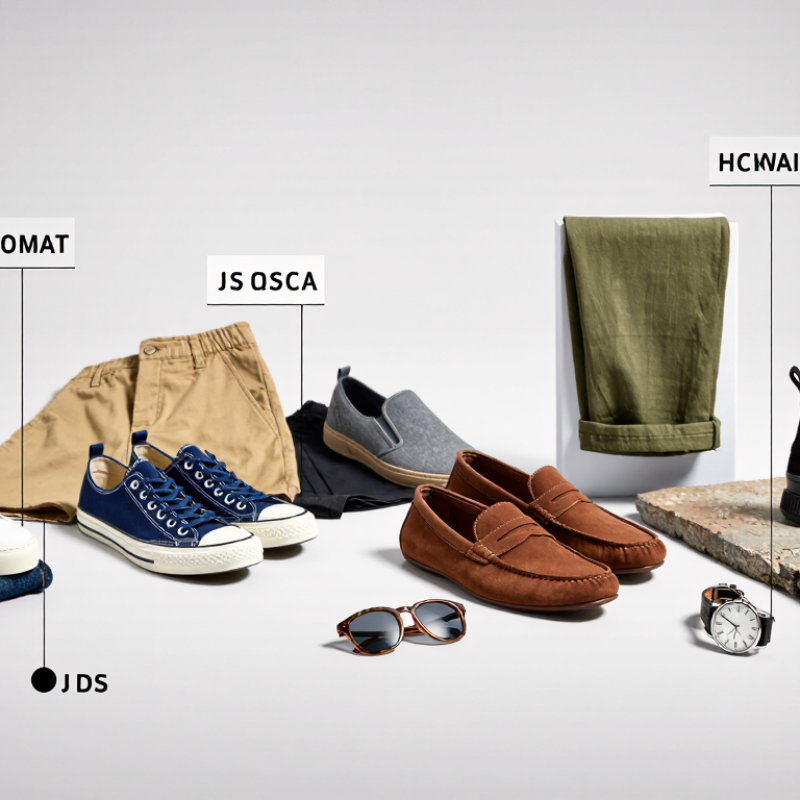
Loafers and slip-ons offer a cleaner profile without the formality of dress shoes. Leather or suede styles pair easily with chinos, while canvas versions feel lighter in warm weather. Chukka boots and casual lace-up shoes add more coverage for cool days. Their shape can look polished, but thick soles may make them feel less relaxed than expected. Fit varies. Try them with the socks you plan to wear.
For warm-weather use, sandals and lightweight canvas shoes keep feet more ventilated. They are convenient, though thin footbeds may disappoint on hard pavement. I still find that comfort is difficult to judge from appearance alone. Walk around in a pair before choosing it for daily wear. Consider your usual surfaces, climate, and wardrobe, then select a category that fits your routine rather than a short-lived trend.
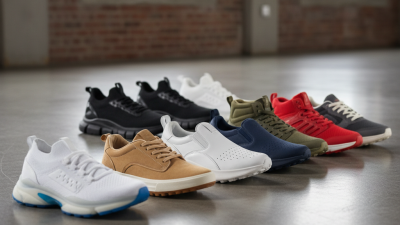
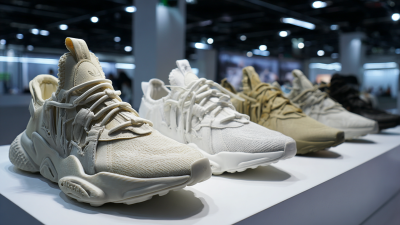
For daily wear, sneakers work best when their shape matches the day. Low-profile canvas styles feel light and flexible for short errands. Knit uppers breathe well on warm commutes, while leather or coated uppers handle light splashes more easily. Grand View Research estimated the global athletic footwear market at about $131 billion in 2023 and forecast growth through 2030. That scale reflects broad demand, but it does not mean one sneaker suits every foot.
Sole design changes how a shoe feels. Flat rubber soles offer steady contact on pavement, while deeper tread can help on damp paths. Cushioned midsoles soften repeated steps, though very soft foam may feel unstable to some wearers. For long city walks, check that the heel does not slip and the toe box leaves room to wiggle. It is easy to focus on appearance and miss the fit. A shoe can look comfortable and still rub after an hour.
Tips: Try sneakers later in the day, when feet may be slightly larger. Walk on a hard floor and notice pressure under the heel and forefoot. Match the sole to your routine, not just your outfit. Rotate pairs when possible; cushioning wears down, often before the upper looks tired.
Loafers and slip-ons offer a neat look without laces, but their shapes suit different routines. A penny loafer has a low profile and a strap across the vamp, making it an easy match for chinos or straight-leg trousers. Tassel styles add movement and formality; they work well for dinners or relaxed office settings. Keep the rest of the outfit simple.
Materials change the mood. Smooth leather looks polished, while suede softens the outfit and pairs naturally with denim. Canvas or knit slip-ons feel lighter for errands, travel, and warm-weather walks. Some styles have flexible rubber soles; others feel firmer underfoot. Check the sole before buying. Thin soles may feel tiring on long pavement routes, even when the shoe looks comfortable.
Fit matters more than a fashionable silhouette. A slip-on should stay secure at the heel without squeezing the toes. Walk a few steps and notice any rubbing, especially around the heel and instep. A little hesitation is sensible: leather can soften, but it will not reliably fix a shoe that is too short. Loafers also tend to slide more on smooth floors, so consider the outsole and where you plan to wear them.
Casual boots remain a useful choice in 2026 because they add structure without feeling formal. Chukka boots suit straight-leg jeans and chinos, while sturdy lace-up boots work well on damp sidewalks and cool days. Look for flexible soles, secure stitching, and enough room to wiggle your toes. A boot that looks sharp but pinches at the forefoot will probably stay in the closet. Leather often softens with wear, while suede needs more care around rain and grit.
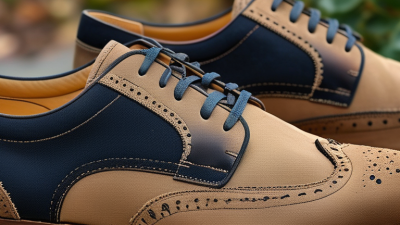
Other versatile options fill different gaps. Clean low-top sneakers pair easily with denim, casual trousers, and simple weekend outfits. Loafers offer a neater look for dinners or relaxed office settings, though thin soles can feel unforgiving on long walks. Casual derbies sit between sneakers and dress shoes. They can make a plain outfit feel more considered, but an overly shiny finish may look too formal. Not every shoe needs to match every outfit; comfort and setting matter more.
Tips: Try shoes on later in the day, when feet may be slightly larger. Check the heel for slipping and walk on a hard floor. Break them in gradually. Keep one pair for wet weather, and let damp shoes dry away from direct heat. A little scuffing is normal; fit is harder to fix.
Fit should come before style. Try shoes late in the day, when feet may be slightly fuller, and test both sides. Your toes need room to spread, while your heel should stay secure without rubbing. Walk on a hard floor. Notice pressure at the little toe, instep, and heel. A size printed inside the shoe is only a starting point; lasts and foot shapes vary.
Material should suit your routine, not just the weather. Leather can soften with wear, while mesh often feels lighter and allows more airflow. For wet commutes, look for a water-resistant upper and a sole with visible tread. APICCAPS’s World Footwear Yearbook 2024 estimates that 23.9 billion pairs were produced worldwide in 2023, a reminder of how varied shoe construction can be. That figure does not identify the best material for you. Your daily conditions do.
Match the shoe to its main job. Flexible canvas styles work for short errands, while supportive sneakers are usually better for long walks or standing shifts. Check that the sole bends near the ball of the foot, not through the middle. The American Orthopaedic Foot & Ankle Society advises choosing shoes that fit well and suit the activity. Small detail, big difference. A size chart cannot reveal every pressure point, so try the pair with the socks you actually wear.
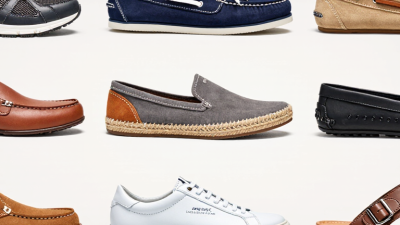
| Type | Typical Materials and Construction | Best Uses | Fit and Comfort Checks | Practical Considerations |
|---|---|---|---|---|
| Low-Top Sneakers | Commonly made with canvas, leather, or synthetic uppers and rubber or foam-based soles. | Everyday wear, commuting, and relaxed social settings. | Allow a little space in front of the toes; check that the heel feels secure and the shoe does not pinch across the forefoot. | Choose a supportive, well-cushioned sole for extended walking. Canvas is breathable but may offer less weather protection than leather or treated synthetics. |
| Slip-On Shoes | Often made with canvas, knit fabric, leather, or synthetic materials; may have elastic panels or a flexible opening. | Casual errands, travel, and situations where easy on-and-off is useful. | They should stay on without gripping with your toes. Check for heel slippage and enough room across the widest part of the foot. | Fit can vary because there are no laces for adjustment. Look for a removable or cushioned insole if you need more support. |
| Loafers | Commonly made from leather or suede, with a low heel and a slip-on design. | Smart-casual outfits, office settings with relaxed dress codes, and dinners. | They should feel snug at first without squeezing. The heel should not lift excessively when walking; socks can affect the fit. | Leather may soften with wear but can need conditioning. Suede is more vulnerable to water and staining, so check care guidance before use. |
| Boat Shoes | Often made with leather or canvas uppers and flexible rubber outsoles; some soles use patterned grooves for grip. | Warm-weather casual outfits, waterfront settings, and relaxed daytime wear. | Check that the shoe holds your foot securely while allowing natural toe movement. Try it with the type of socks or no-show socks you plan to wear. | Grip varies by outsole, and not every pair is designed for wet or slippery surfaces. Follow the care instructions for the upper material. |
| Desert or Chukka Boots | Usually ankle-height, lace-up shoes made with leather or suede; some versions use crepe-style or other rubber soles. | Cooler weather, casual workplaces, and outfits that benefit from more coverage than a sneaker. | Check for comfortable ankle movement and enough room for your usual socks. Laces should secure the midfoot without pressure. | Suede may need protection from moisture and stains. Outsole thickness and tread differ, so match them to the surfaces and weather you encounter. |
| Moccasins and Driving Shoes | Often made from soft leather or suede, with a flexible construction; driving styles may have rubber nubs or segmented rubber under the sole. | Relaxed indoor-outdoor wear and short periods of driving or walking. | Look for a close but comfortable fit, with no rubbing at the seams. The shoe should not feel loose when you walk. | Flexible, thin soles may provide less cushioning and protection on rough ground than sturdier shoes. Driving styles are not automatically suitable for long walks. |
| Espadrilles | Typically have a textile upper and a sole made with braided plant fiber, sometimes combined with a rubber base. | Warm, dry weather and casual daytime occasions. | Choose a secure fit without tightness across the toes. Try them on later in the day if your feet tend to swell. | Many styles are not intended for wet conditions or heavy use on rough surfaces. Check the sole construction and care instructions before cleaning. |
How to choose: Shop for the socks you expect to wear, try both shoes on, and walk around to check for rubbing, heel slip, or pressure. Prioritize fit and the surfaces you use most; material and style come next.