Shose expert

15 Years Manufacturing Experience
DSC00533

Where to Source China Top Basketball Style Shoes?

Where to Source China Top Basketball Style Shoes?

China remains a major sourcing base for Basketball Style Shoes, but the right supplier requires more than a polished website. Experienced buyers usually compare factory capability, material consistency, sample quality, production controls, and export documentation. A factory may show impressive court shoes online, yet struggle with cushioning, glue strength, or size accuracy during mass production. That gap matters.

Matt Powell, a veteran sports-industry analyst, has said, “The sneaker business has become a fashion business.” His observation explains why sourcing decisions now involve performance and visual identity. Buyers must examine outsole grip, foam response, mesh ventilation, stitching, color matching, and packaging details. Ask for recent samples. Wear them. Bend them. Inspect the heel counter after repeated movement.

Small details reveal experience.

Reliable Chinese manufacturers often support OEM or ODM development, private labeling, material selection, and quality inspections. Still, a low quotation does not automatically mean strong value. It may hide weaker fabrics, unclear mold ownership, or inconsistent production batches. I have seen sourcing plans fail because buyers trusted photographs instead of physical samples. That mistake is easy to repeat.

A dependable process includes supplier verification, written specifications, pre-production approval, third-party inspection, and clear shipping terms. Buyers should also confirm product safety requirements in every destination market. No supplier should promise impossible delivery dates or use another brand’s protected design. The strongest sourcing strategy stays practical: evaluate evidence, record weaknesses, and improve the brief before ordering. China offers scale and creativity, but careful judgment remains the real competitive advantage.
Where to Source China Top Basketball Style Shoes?

Understanding China’s Basketball Style Shoe Manufacturing Landscape

Where to Source China Top Basketball Style Shoes?

China’s basketball style shoe manufacturing landscape is broad, but it is not uniform. Fujian, Guangdong, and Zhejiang contain dense footwear clusters with different strengths. Some factories focus on athletic construction. Others produce fashion-led court silhouettes. A factory may offer both, but its equipment and workers usually favor one category. Ask for recent samples, not only digital catalogs.

Experienced buyers normally compare factories through material control, mold capability, stitching quality, and production records. Mesh, synthetic leather, rubber, and foam must match the approved sample. Small changes can affect weight, flexibility, and comfort. Samples matter. Expect revisions. A first sample can look excellent and still feel stiff on foot. That gap is easy to miss in photographs.

Supplier verification should include a physical or independent factory audit. Review testing for sole bonding, flex resistance, abrasion, and color transfer. Confirm the factory’s minimum order quantity, sample charges, lead time, and packaging details in writing. Production checks should happen before shipment, especially for size consistency and glue marks. Do not rely on the lowest quotation alone. It may exclude tooling, testing, or corrective work. A practical sourcing plan also leaves time for one failed sample, because real development is rarely as smooth as the initial discussion suggests.
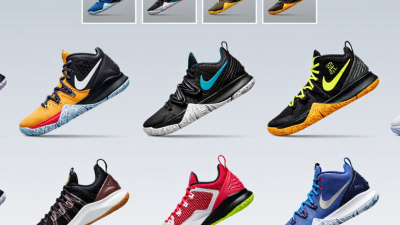
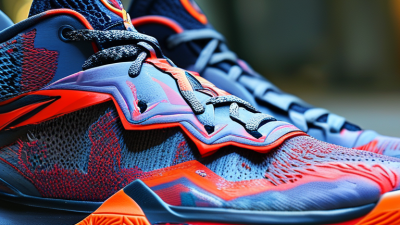
Defining Quality, Design, and Performance Requirements

Where to source China top basketball style shoes? Start by defining the shoe, not the supplier. A reliable buying process begins with written requirements for quality, design, and performance. Specify upper material, outsole rubber, cushioning firmness, ankle support, weight, sizes, and colors. Ask for measurable tolerances, not vague promises. Details matter. For court use, require traction tests on clean and dusty surfaces. Check flex durability, abrasion resistance, bonding strength, and heel stability. Request sample reports, production photos, and traceable material records. An experienced sourcing team should inspect samples before approving bulk production. I have found that hand checks reveal uneven stitching and weak adhesive lines.

Design should match the intended players and playing environments. A low-cut silhouette may look fast, yet it can feel unstable during sharp lateral movement. A higher collar offers structure, but poor shaping may restrict movement. Use wear trials with different foot shapes. Record pressure points after thirty minutes. Color accuracy also deserves control; compare approved samples under neutral lighting. Do not accept digital renderings as final evidence. Small differences become obvious across hundreds of pairs.

Before selecting a China-based supplier, review factory capability, quality systems, worker safety records, and export documentation. Independent inspections can verify measurements, packaging, and carton counts. Set a written defect standard and a clear correction process. A pre-production sample should be signed and dated. If the first sample feels stiff, say so. My own mistake was approving attractive materials before testing wet traction. That decision created extra revisions. A better process leaves room for failure, retesting, and honest feedback.

Where to Source China Top Basketball Style Shoes? - Defining Quality, Design, and Performance Requirements

Evaluation Dimension Recommended Requirement Practical Benchmark Verification Method Sourcing Importance
Upper Construction Use breathable engineered mesh, woven textile, or lightweight synthetic panels with reinforced overlays in high-abrasion areas. Even stitching, clean bonding, no loose threads, and no visible gaps around the toe box, eyestay, or heel counter. Visual inspection, flexing test, seam inspection, and sample comparison against the approved reference. High
Cushioning System Select a responsive EVA, TPU, or blended foam platform matched to the intended playing surface and usage level. Consistent midsole density across the size range; cushioning should feel stable without excessive softness or bottoming out. Compression-set testing, repeated impact testing, and wear trials by users with different body weights. High
Outsole Compound Choose rubber hardness and formulation according to indoor court, outdoor court, or multi-surface use. Indoor models should prioritize grip and low marking; outdoor models should use thicker, more abrasion-resistant rubber. Slip-resistance assessment on dry and lightly contaminated surfaces, plus abrasion testing. Critical
Traction Pattern Use multidirectional herringbone, radial, or hybrid tread layouts with adequate flex grooves. The forefoot should support quick stops and pivots; the heel should provide controlled braking during landings. On-court testing involving lateral cuts, jump stops, pivots, and repeated acceleration. Critical
Lateral Stability Provide a stable base, firm heel counter, secure midfoot wrap, and controlled upper deformation. The foot should remain centered over the platform during side-to-side movement without uncomfortable pressure points. Lateral movement trials, heel-counter compression check, and fit evaluation at game intensity. Critical
Fit and Sizing Define a consistent size chart with measured internal length, forefoot width, instep volume, and heel hold. Allow sufficient toe clearance while preventing heel lift; test standard, wide, and high-instep foot profiles. Last measurement, fit-panel review, wear testing, and size grading inspection. High
Weight Target Balance low weight with adequate cushioning, structural support, and outsole durability. A practical adult performance target is approximately 350–450 g per shoe, depending on size and construction. Weigh production samples in matched pairs using a calibrated digital scale. Medium
Flexibility Position flex grooves beneath the forefoot while keeping the midfoot and heel sufficiently supportive. The shoe should flex naturally during running and jumping without folding sharply through the arch. Manual flex test, repeated flex-cycle testing, and on-court movement assessment. Medium
Impact and Structural Durability Reinforce toe, eyestay, heel, strobel, and bonding zones that receive repeated loading. No early delamination, cracking, stitch failure, or permanent deformation after repeated wear cycles. Bond-strength testing, flex endurance, abrasion testing, and controlled wear trials. Critical
Breathability and Moisture Control Use ventilated upper zones, moisture-managing lining, and an insole that can be removed or replaced. The interior should remain comfortable during extended play without excessive heat accumulation or sliding. Wear trials, air-permeability comparison, moisture observation, and lining inspection. Medium
Design Adaptability Specify color, material, outsole color, logo-free artwork, packaging, and seasonal color options before sampling. Design changes should not compromise traction, bonding, breathability, or size consistency. Review technical drawings, color standards, material swatches, and pre-production samples. Medium
Chemical and Material Compliance Request material declarations and testing for restricted substances relevant to the destination market. Materials should meet applicable limits for substances such as lead, phthalates, formaldehyde, and azo dyes. Independent laboratory testing and review of supplier compliance documentation. Critical
Quality Control Plan Establish incoming-material inspection, in-line checks, finished-goods inspection, and shipment approval criteria. Use approved samples, measurable tolerances, defect classifications, and documented corrective actions. Pre-production review, in-line inspection, final random inspection, and carton verification. Critical
Sampling and Production Readiness Confirm sample lead time, size-set availability, tooling readiness, production capacity, and repeat-order capability. Approve a sealed reference sample and written specification before bulk production begins. Factory capability review, sample approval record, production schedule check, and pre-shipment inspection. High
Recommended sourcing sequence: define the performance brief, compare material and outsole samples, test a complete size set, approve a sealed reference sample, complete compliance checks, and conduct a final pre-shipment inspection.

Finding and Comparing Reliable Chinese Shoe Suppliers

Where to Source China Top Basketball Style Shoes?

Finding a reliable Chinese supplier requires more than comparing catalog photos and low quotations. According to the World Footwear Yearbook 2024, China produced about 54% of global footwear in 2023. This scale offers broad factory capacity, but quality still varies sharply between suppliers.

Start with factories that share clear material specifications, production photos, and recent test documentation. Ask for samples with measurable details, including outsole rubber hardness, heel-counter stability, mesh strength, and midsole rebound. Samples reveal more. A polished showroom can still hide weak stitching or uneven bonding.

Compare suppliers through the same quotation sheet. Record minimum order quantity, sample fees, tooling charges, lead time, packaging, payment terms, and shipping conditions. Request a video factory tour, business registration details, and an independent pre-shipment inspection. WTO trade data supports China’s strong position in manufactured footwear exports, yet export scale does not guarantee dependable service. Do not rush.

A practical supplier scorecard can assign points for sample consistency, communication speed, corrective action, and testing records. One weakness remains: a single sample cannot prove stable mass production. Place a small trial order, inspect random pairs, and compare size measurements across the batch. Require written approval for materials and color changes. Cost matters, but unstable foam compression can create expensive returns. Good sourcing is sometimes less dramatic than expected.

Where to Source China Top Basketball Style Shoes?

A practical buyer-weighted framework for comparing reliable Chinese shoe suppliers. The percentages represent suggested screening priorities, not company or brand performance data.

Product performance and compliance should receive the highest priority because basketball-style shoes require dependable traction, cushioning, upper durability, and material documentation. Cost, minimum order quantity, and lead time can then be compared after a supplier passes basic quality checks.

Verifying Samples, Materials, Certifications, and Factory Capability

Where to Source China Top Basketball Style Shoes?

A strong basketball shoe starts with a verifiable sample, not attractive photos. Request several pairs in different sizes and inspect them under normal court conditions. Check heel stability, forefoot flex, outsole grip, stitching, and glue lines. Measure the midsole after repeated use. Small changes can affect comfort and injury risk. Ask for a material sheet covering mesh, synthetic leather, foam, rubber, and adhesives. Confirm each material matches the approved sample. I once trusted a color card too quickly. The finished upper felt noticeably stiffer.

Tips: Keep one sealed reference sample. Record weight, dimensions, hardness, and color under daylight. Photograph every defect before discussing corrections. Ask the factory to explain its quality limits in writing.

Factory capability matters beyond showroom samples. Review the sample room, cutting area, stitching lines, assembly process, and final inspection station. Check whether the factory controls molds and tooling internally or relies on outside partners. Request production capacity, typical lead times, minimum order quantities, and recent inspection records. Certifications should be current, traceable, and relevant to your destination market. Verify certificate numbers through the issuing organization when possible. Also request laboratory reports for traction, abrasion, flexing, and material safety. Reports alone are not proof of consistent production. Repeat testing may expose weaknesses. A factory that welcomes questions usually offers stronger evidence than one offering perfect promises.

Managing Pricing, Orders, Shipping, and Long-Term Supplier Relations

Where to Source China Top Basketball Style Shoes?

Managing pricing, orders, shipping, and supplier relationships requires more than finding a low quotation. I usually compare three to five factories with similar specifications. Ask for material details, outsole samples, size charts, carton dimensions, and production capacity. A reliable supplier should explain pricing changes clearly. Confirm sample costs, minimum order quantities, payment stages, and inspection arrangements before placing an order. Cheap offers can hide weaker traction or inconsistent sizing.

Tips: Request a physical sample. Test it indoors and outdoors. Check stitching, cushioning, grip, and odor. Record every defect with photographs. A small pilot order is safer than a large first shipment. My own mistake was trusting a size chart without measuring the sample. The fit differed by several millimeters.

Shipping plans should cover production time, inspection time, customs documents, and delivery delays. Confirm whether the quotation includes export packing, freight, insurance, and destination charges. Use written specifications for colors, logos, materials, labels, and packaging. Products must meet the destination market’s safety and labeling requirements. Keep invoices, test reports, and communication records organized.

Long-term cooperation grows through accurate forecasts and honest feedback. Share monthly sales estimates, but avoid promising volumes you cannot support. Review defect rates after every shipment. Sometimes suppliers need clearer drawings, not harsher criticism. I prefer a quarterly video meeting, even when sales are slow. Trust takes time. Payment discipline matters too. A supplier who communicates early about delays is often more dependable than one offering the lowest price.