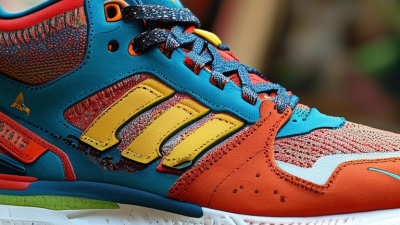
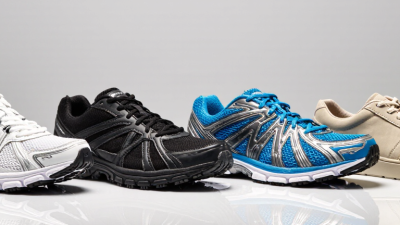
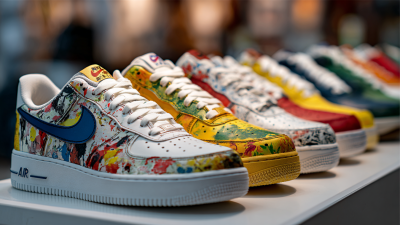
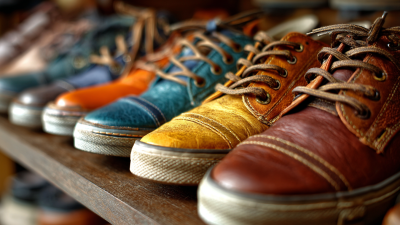
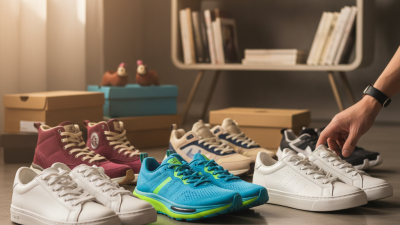
Choosing the right Casual Sneaker in 2026 requires more than following a popular color or logo. Global buyers now compare comfort, durability, price, materials, and regional demand before placing an order. A white low-top may work well in a European office, while a breathable mesh trainer may perform better in a hot Southeast Asian market. Small details matter, including outsole grip, padded collars, removable insoles, and packaging that protects the shape during long-distance shipping.
This guide examines the best casual sneaker styles for retailers, distributors, and individual buyers worldwide. It considers practical experience from product evaluation, including walking tests, size checks, stitching inspection, and wear on concrete streets. Buyers should also review supplier documentation, material claims, return policies, and production consistency. Recycled fabrics can reduce material impact, but their quality varies. Comfort is important.
Trends are useful, but they are not perfect predictions. A chunky sole may attract attention online and feel tiring after several hours. Minimalist designs can look refined, yet thin cushioning may disappoint frequent walkers. Climate, foot shape, workplace habits, and local fashion preferences can change the best choice. This overview leaves room for that uncertainty. It focuses on dependable decisions rather than exaggerated promises, helping global buyers compare 2026 styles with clearer expectations and better evidence.
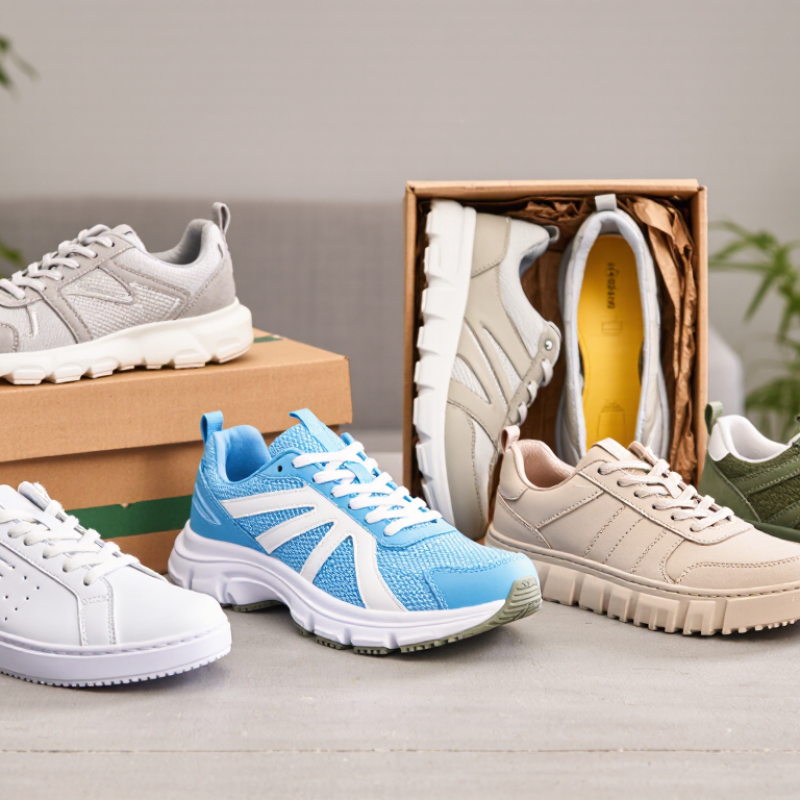
Defining casual sneaker styles for global buyers in 2026 requires more than choosing popular colours. Comfort, climate, and daily movement now shape purchasing decisions. The World Footwear 2024 Yearbook reported approximately 23.9 billion pairs were produced worldwide in 2023, with Asia accounting for about 88% of production. This scale makes sourcing knowledge essential. Buyers should examine mesh breathability, outsole grip, stitching, and recycled content claims. A lightweight low-top may suit warm cities, while water-resistant panels help in wet markets. Cushioning should feel stable, not overly soft.
Tips: Compare size charts by foot length, not only regional labels. Request wear-test samples on concrete, stairs, and public transport. Check packing durability for long-distance shipping. Ask suppliers for material documentation and test records. These small checks often reveal more than polished product photos.
Market forecasts also show continued expansion. Grand View Research estimates the global athletic footwear market will grow steadily through 2030, supported by casual use and wellness habits. However, athletic and casual demand are not identical. In 2026, buyers may favour retro court shapes, simple neutral uppers, flexible walking soles, and low-profile recycled textiles. Bright accents can improve shelf appeal, but they may narrow local acceptance. My own selection rule would be practical first, attractive second. That rule is not perfect; fashion changes faster than most buying plans. Regional feedback should therefore remain part of every seasonal review.
| Casual Sneaker Style | Typical Upper Construction | Typical Sole Profile | Approx. Weight Per Shoe |
Best Everyday Use | Climate Suitability | Key Buying Considerations | Common Buyer Segment |
|---|---|---|---|---|---|---|---|
| Minimalist Low-Top | Canvas, cotton twill, or thin synthetic textile with a simple lace-up closure. | Flat rubber outsole, usually about 8–18 mm thick, with limited cushioning. | 250–380 g | Daily commuting, casual outfits, travel, and light indoor use. | WarmDry Less suitable for prolonged rain unless treated. |
Check toe-box width, lining breathability, rubber flexibility, and whether the insole is removable. | Value-conscious buyers and consumers seeking simple styling. |
| Retro Court Sneaker | Smooth or pebbled synthetic leather, coated textile, or split leather with stitched overlays. | Flat cupsole or vulcanized rubber sole, generally about 18–28 mm thick. | 330–480 g | Office-casual dressing, urban walking, social occasions, and weekend wear. | Most climates More practical in light rain than uncoated canvas. |
Inspect panel stitching, crease resistance, lining material, ventilation, and outsole grip on wet surfaces. | Buyers wanting a versatile style that works with jeans, chinos, or casual tailoring. |
| Knit Casual Runner | Knitted polyester or engineered mesh upper with a padded collar and textile lining. | Lightweight EVA or foam midsole with a rubber or rubberized traction area. | 230–360 g | Long walks, airport travel, commuting, and relaxed daily activities. | WarmHumid Fast-drying upper; limited protection in heavy rain. |
Verify heel support, upper stretch, sockliner comfort, wash-care instructions, and odor-control properties. | Comfort-focused buyers and travelers prioritizing low weight. |
| Retro Running-Inspired Sneaker | Combination of mesh, synthetic suede, textile panels, and molded support elements. | Layered EVA or foam midsole with a segmented rubber outsole, usually 25–38 mm at the heel. | 300–450 g | All-day walking, city travel, campus use, and casual streetwear. | Most climates Mesh improves airflow but may require rain protection. |
Compare heel stability, forefoot flexibility, cushioning density, reflective details, and replacement insole options. | Global urban buyers seeking a balance of fashion and walking comfort. |
| Slip-On Casual Sneaker | Stretch textile, knit, or canvas upper with elastic side panels and a pull tab. | Flexible rubber or EVA-based outsole, commonly about 15–25 mm thick. | 220–350 g | Quick errands, travel, home-to-street use, and casual workplace environments. | WarmDry Breathable versions suit hot conditions; water resistance varies widely. |
Confirm heel-lock performance, elastic recovery, opening width, arch support, and ease of cleaning. | Convenience-oriented buyers, commuters, and older consumers seeking easy entry. |
| Vulcanized Skate-Inspired Sneaker | Canvas or suede-look synthetic upper with reinforced toe area and padded or unpadded collar. | Vulcanized rubber outsole with a flat, patterned tread and strong board feel. | 350–520 g | Casual streetwear, short urban walks, and everyday leisure use. | DryModerate Rubber handles splashes, but textile uppers absorb water. |
Evaluate toe reinforcement, sidewall bonding, tread depth, insole cushioning, and outsole flexibility. | Style-led buyers and younger urban consumers. |
| Trail-Inspired Lifestyle Sneaker | Mesh or ripstop textile with synthetic overlays, protective toe cap, and molded heel support. | Chunkier foam midsole with rubber outsole and multi-directional lugs, generally 28–40 mm at the heel. | 360–560 g | City walking, weekend travel, parks, and light mixed-surface use. | Variable weather Some models include water-resistant membranes; others do not. |
Check actual waterproof ratings, lug depth, outsole compound, heel-to-toe drop, and packed volume. | Outdoor-influenced urban buyers needing added traction and protection. |
| Eco-Material Casual Sneaker | Recycled polyester mesh, plant-based or recycled synthetic components, and textile or synthetic lining. | Foam or rubber outsole; construction varies from flat vulcanized soles to cushioned cupsoles. | 280–470 g | Daily wear, commuting, travel, and sustainability-focused casual wardrobes. | Depends on construction Material origin does not automatically indicate water resistance. |
Request recycled-content documentation, material composition, care instructions, repairability, and packaging details. | Buyers prioritizing material transparency and lower-impact product options. |
Specification ranges are indicative product-planning benchmarks rather than guarantees for every model. Actual weight, cushioning height, water resistance, and material composition vary by size, construction, and supplier; global buyers should confirm measurements and compliance documents before purchase.