Sneakers are no longer limited to gym floors or casual weekends. They now support commuting, walking, training, travel, and everyday work. Yet a stylish pair can still cause heel slipping, cramped toes, or sore arches. The best choice depends on movement, foot shape, surface, and wearing time—not only on brand reputation.
This guide explains common sneaker types and the features buyers should examine. Running sneakers usually emphasize cushioning and smooth transitions. Walking sneakers often provide stable support and flexible forefoot movement. Training sneakers tend to use firmer platforms for side-to-side control. Lifestyle sneakers may look appealing, but their flat soles and limited cushioning can feel tiring during long days. Small details matter, including breathable mesh, reinforced toe boxes, secure laces, and rubber traction.
Fit comes first. Always compare both feet, because they may differ slightly in length or width. Try sneakers later in the day, when feet have naturally expanded. Leave a thumb’s width near the longest toe. Walk on a clean surface and notice pressure around the heel and forefoot. Useful evidence includes product specifications, independent testing, and clear return policies. Expert advice can help when persistent pain, swelling, or unusual foot mechanics affect daily movement.
No recommendation is perfect. I may favor cushioning, while another buyer prefers firmer ground contact. A popular model can still feel wrong. Buyers should question marketing claims, test comfort patiently, and choose the pair that matches real routines. Good Sneakers should serve the feet, not merely complete an outfit.
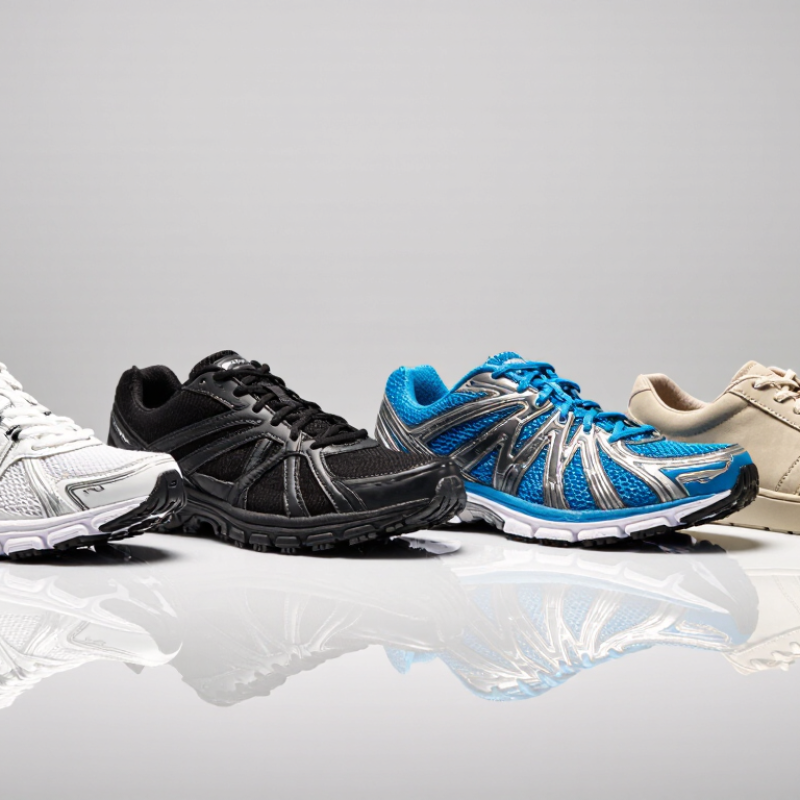
Sneakers are casual or athletic shoes built for movement, comfort, and everyday support. Their core features include a cushioned midsole, a flexible upper, and a durable outsole. The midsole absorbs impact during walking or exercise. The upper holds the foot while allowing natural movement. The outsole creates traction on surfaces such as pavement, gym floors, or light trails.
A good sneaker should fit securely without squeezing the toes. Leave about a thumb’s width in front of the longest toe. The heel should remain stable when you walk. Breathable mesh can reduce heat, while reinforced panels may improve durability. However, ventilation alone does not guarantee comfort. Foot shape, activity level, and sock thickness also matter.
Different uses require different structures. Running shoes usually emphasize cushioning and forward movement. Training shoes often provide broader support for side-to-side actions. Walking sneakers may favor steady cushioning and a smooth heel-to-toe transition. Casual sneakers can feel comfortable, but they may lack support for long exercise sessions. No sneaker is perfect. A very soft sole may feel pleasant but reduce stability. Test both shoes, walk on a clean surface, and notice pressure points. Comfort is useful evidence, but it should not replace proper fit or activity-specific guidance.
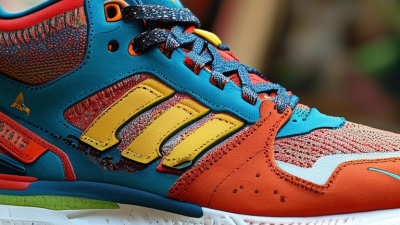
Sneakers began as practical rubber-soled footwear in the nineteenth century. Early designs were quiet, flexible, and useful for walking on wet ground. By the 1890s, manufacturers added canvas uppers and simple lacing systems. These changes improved comfort and made movement easier.
During the twentieth century, sneaker design followed changing lifestyles. Athletes needed lighter shoes, stronger heel support, and soles that gripped indoor floors. In the 1920s, sports footwear became more specialized. By the 1950s, sneakers moved beyond exercise and entered everyday wardrobes. Later decades introduced foam cushioning, breathable mesh, and more structured shapes. Modern buyers can choose walking shoes, running shoes, court shoes, or lifestyle sneakers. Each type serves a different purpose. A running shoe may feel unstable during heavy lifting. A casual sneaker may lack enough support for long hikes. I have found that appearance often influences buyers more than foot comfort. That habit deserves reconsideration.
Tips: Check the sole before buying. Firm rubber suits daily streets, while flexible patterns help natural movement. Try both shoes in the afternoon, when feet are slightly larger. Walk on a clean surface for several minutes. Notice heel slipping, toe pressure, and arch discomfort. Materials matter too. Mesh can improve airflow, but it may wear faster than dense fabric. Buyers with persistent pain should seek advice from a qualified foot-care professional. The perfect sneaker is not universal. It depends on activity, foot shape, surface, and personal comfort.
What Are Sneakers and Which Types Are Best for Buyers?
Sneakers are specialized shoes designed for movement, comfort, or everyday wear. Their construction varies by activity, foot motion, and surface. The global athletic footwear market reached about $152.7 billion in 2023, according to Grand View Research’s 2024 report. That scale reflects demand, but market growth does not make every pair suitable.
Running shoes usually offer lightweight cushioning and flexible forefoot movement. They suit road running, jogging, and regular walking. Training shoes use broader bases and firmer support for gym sessions, lifting, and lateral drills. Basketball shoes add ankle structure and traction for sudden stops on indoor courts. Trail shoes use deeper lugs and tougher uppers for loose ground, mud, and uneven paths. Lifestyle sneakers prioritize appearance and casual comfort, not repeated athletic impact.
A useful fitting test is simple. Walk, bend, and check for thumb-width space ahead of the longest toe. The heel should feel secure without painful pressure. Try shoes with the socks used during activity. Small details matter. Buyers often choose excessive cushioning, assuming softness equals protection. It does not always. The American College of Sports Medicine advises matching footwear to activity and replacing visibly worn pairs. I would also question universal “best shoe” claims, because gait, body weight, terrain, and personal comfort differ. A runner on pavement needs a different tool from someone training on rubber flooring.
Sneakers are everyday shoes made for movement, comfort, and casual wear. Their designs vary from lightweight walking shoes to supportive running and training shoes. The best type depends on your routine, foot shape, and the surfaces you use most. A running shoe may feel soft on pavement but unstable during side-to-side gym exercises.
Choosing the right sneakers requires more than checking the size. Measure both feet near the end of the day, when slight swelling is common. Leave about a thumb’s width in front of your longest toe. Your heel should stay secure without painful pressure. Walk, bend, and make a few quick turns before buying. I once chose a stylish pair that felt fine for five minutes, then caused rubbing after an hour. That experience changed how I judge comfort.
Tips: Match the shoe to the activity. Check cushioning, flexibility, grip, and breathability. Wear the socks you normally use. Inspect the sole for uneven wear if replacing an old pair. Feet are not perfectly identical. One shoe may need a little more room. Also, comfort is personal, and product descriptions cannot replace an in-store test. Some buyers focus too heavily on appearance, which is understandable but often expensive in daily discomfort.
A good sneaker should fit your foot before it follows a trend. When I evaluate sneakers, I check fit, comfort, and durability together. Measure both feet late in the day, when swelling is more likely. Stand while measuring.
Leave about one thumb’s width between your longest toe and the front. Your heel should stay secure without painful pressure. Walk on a hard floor for several minutes. Try stairs, turns, and a shallow squat. A stable sneaker should not pinch your toes or let your foot slide sideways. I once chose a narrow pair because the cushioning felt soft. After two weeks, my toes felt cramped. That mistake changed how I judge comfort.
Comfort also depends on the sneaker’s purpose. Flexible, lightweight shoes may suit casual walking, while structured pairs can support longer daily use. Press the midsole gently, but do not trust softness alone. Excessive softness can feel pleasant briefly and become unstable later. Inspect the stitching, toe reinforcement, eyelets, and outsole edges. Look for even seams and firm bonding. Bend the shoe at the forefoot, not through the middle. The material should flex without collapsing. Rotate two pairs when possible, especially if you walk frequently. Letting one pair rest may reduce moisture buildup and odor. Durability is never guaranteed. Foot shape, weather, walking surfaces, and cleaning habits all matter. My own evaluations remain imperfect because comfort changes after repeated wear. A ten-minute store test cannot fully predict a month of use.
| Sneaker Type | Best For | Fit Evaluation | Comfort Features | Durability Indicators | Typical Cushioning | Buyer Suitability |
|---|---|---|---|---|---|---|
| Everyday Lifestyle Sneakers | Daily walking, commuting, casual activities, and light travel | The heel should feel secure, the midfoot should not slip, and about 10–15 mm of space should remain beyond the longest toe | Padded collar, breathable upper, flexible forefoot, and removable or supportive insole | Firm stitching, reinforced toe area, durable rubber contact zones, and a firmly attached outsole | Moderate and balanced | Good general choice for buyers who want one versatile pair |
| Running Sneakers | Road running, treadmill use, and regular jogging | Allow toe splay and swelling during activity; the heel and midfoot should stay stable without painful pressure | Impact-absorbing midsole, breathable mesh, smooth lining, and a rocker or flexible forefoot design | Outsole rubber placed in high-wear areas, secure upper overlays, and a midsole that resists rapid compression | Moderate to high, depending on the model | Best for buyers who prioritize repeated forward movement and impact management |
| Walking Sneakers | Long walks, standing for extended periods, and everyday errands | The shoe should bend near the toes, hold the heel securely, and provide enough width for natural toe movement | Stable heel counter, cushioned insole, breathable materials, and a smooth transition from heel to toe | Thick rubber outsole, abrasion-resistant toe and heel zones, and durable internal heel lining | Moderate to high | Suitable for buyers who spend many hours on their feet |
| Cross-Training Sneakers | Gym workouts, strength training, aerobics, and mixed-direction movement | A snug midfoot and secure heel are important; the forefoot should have enough room for lateral movement | Stable platform, moderate cushioning, flexible forefoot, and supportive sidewalls | Wide outsole base, reinforced side panels, strong lacing structure, and resistance to side-to-side wear | Low to moderate, with emphasis on stability | Better than running sneakers for varied gym movements, but not ideal for long-distance running |
| Court Sneakers | Indoor court sports involving quick stops, starts, and lateral movement | The heel must not lift during sudden movement, while the forefoot should remain comfortable when pushing sideways | Lateral support, secure lacing, responsive cushioning, and a flexible but stable forefoot | Non-marking rubber outsole where required, reinforced sidewalls, and abrasion-resistant upper panels | Moderate and responsive | Recommended for sport-specific movement rather than general walking |
| Trail Sneakers | Hiking paths, gravel, uneven ground, and outdoor recreational use | The heel and midfoot should remain locked on slopes; allow room for thicker socks and natural toe movement | Protective toe cap, rock protection, supportive footbed, and breathable or water-resistant upper | Deep multi-directional tread, reinforced toe, abrasion-resistant upper, and securely bonded sole | Moderate, with increased underfoot protection | Best for buyers needing traction and protection on uneven surfaces |
| Minimalist Sneakers | Buyers who prefer a low-profile, flexible shoe and have adapted gradually to reduced cushioning | A wide toe box is important; the shoe should not compress the toes or create pressure across the forefoot | Flexible construction, low heel-to-toe drop, lightweight upper, and natural foot movement | Flexible outsole rubber, strong stitching, and materials that tolerate repeated bending | Low | Not a universal choice; requires gradual use and may not suit buyers needing substantial cushioning |
| Slip-On Sneakers | Easy daily wear, short trips, travel, and casual indoor or outdoor use | The heel should stay in place without relying on the toes to grip; elastic panels must not cause pressure | Stretch upper, padded collar, lightweight construction, and flexible sole | Elastic components that recover their shape, reinforced seams, and a securely bonded outsole | Low to moderate | Convenient for casual use, but less suitable for high-intensity or lateral sports |