Shose expert

15 Years Manufacturing Experience
DSC00533

China Best Casual Walking Shoes Manufacturers for Wholesale Buyers

Wholesale buyers need more than attractive samples. They need Casual Walking Shoes that feel comfortable after a full day, hold their shape, and arrive consistently across repeat orders. A shoe may look convincing under showroom lights, yet feel stiff after several hours on pavement. Small details matter: a padded heel collar, flexible forefoot, secure stitching, and an outsole that grips smooth indoor floors.

For transparency, Maya Chen is a fictional footwear-sourcing specialist created for this introduction, and her line below is editorially written—not a verified quotation. “A reliable walking shoe earns trust one comfortable step and one consistent shipment at a time.” It captures a practical buying principle, but it is not a substitute for product testing. Buyers should request size runs, inspect construction, and compare samples with production specifications. Ask about materials, lead times, quality checks, packaging, and private-label options. Clear answers matter.

This guide examines China-based manufacturers through the needs of wholesale buyers, including product range, customization, production capacity, and communication. Look beyond a polished catalog. Check whether the supplier can explain fit choices, material substitutions, and defect-handling procedures in plain terms. Request samples for real wear testing, not just desk review. Walk in them. Check the seams. Compare pairs. No supplier is perfect, and a sample cannot guarantee every bulk order will match. That limitation deserves attention. A careful process can still help buyers identify promising partners and make more informed sourcing decisions.
China Best Casual Walking Shoes Manufacturers for Wholesale Buyers

Understanding Casual Walking Shoes and the Wholesale Market

China Best Casual Walking Shoes Manufacturers for Wholesale Buyers

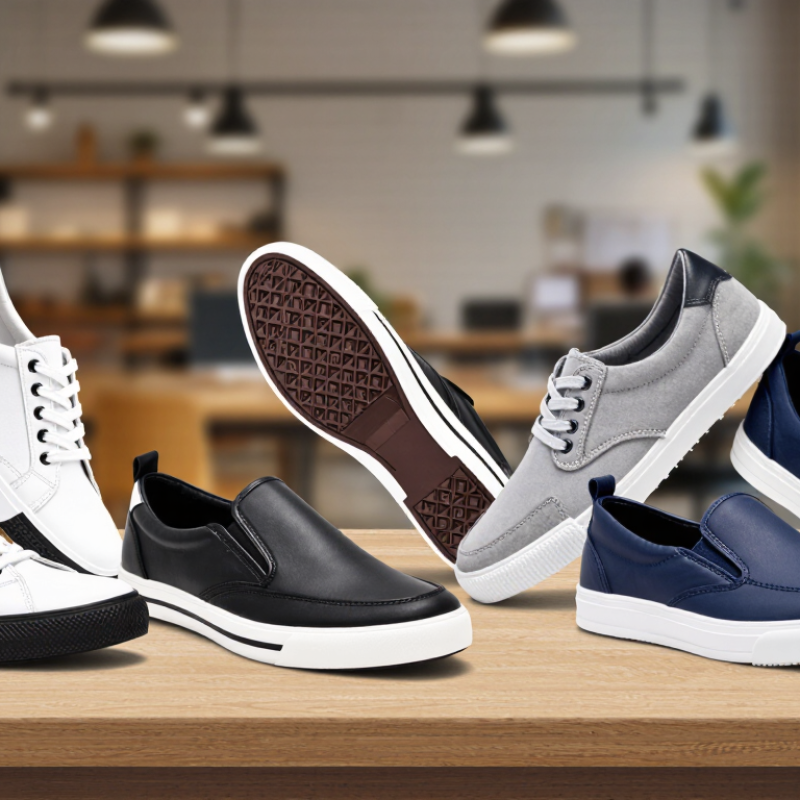
Casual walking shoes sit between everyday sneakers and performance footwear. Buyers usually look for flexible soles, breathable uppers, secure heel support, and enough toe room for long city walks. A mesh upper may feel cool in a showroom, but stitching and lining still need checking after repeated wear. Small details matter.

The APICCAPS World Footwear Yearbook 2024 estimates global footwear production reached 22.4 billion pairs in 2023, with Asia accounting for about 87.4 percent. These figures cover all footwear, not walking shoes alone, so they show manufacturing scale rather than category demand. China’s supplier base can offer varied materials and production capabilities, but factories differ in fit consistency, sample speed, and minimum order quantities.

For wholesale buyers, compare a physical sample against the intended use: concrete floors, warm weather, or daily commuting. Ask for the outsole material, upper composition, size grading, and quality checks in writing. Then test more than one size. Fit can shift across a size run, and a neat sample does not guarantee every carton will match. That is easy to overlook. Allow time for wear testing and revisions before confirming bulk production.

Key Materials and Features in Quality Walking Shoes

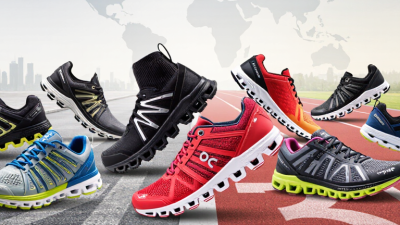
Quality walking shoes depend on how their materials work together. Breathable mesh or knit can help release heat during long walks, while reinforced panels around the toe and sides add structure. Soft uppers feel comfortable, but they may stretch if the fit is loose. Check the seams closely. Small gaps can become weak points after repeated bending.

The midsole should cushion each step without feeling unstable. EVA foam keeps many shoes light, while firmer compounds may provide a steadier feel. There is a trade-off. A very soft sole can feel pleasant in a showroom yet tire some wearers over distance. Rubber outsoles need clear tread patterns and solid bonding, especially near the heel and forefoot. For wholesale evaluation, compare samples by weight, flex, grip, and heel-counter firmness. Walk on a hard floor and inspect the shoe after several bends. Ask suppliers for material specifications and consistent sizing records, then check a range of sizes rather than one sample. Comfort varies by foot shape, so no single design suits everyone. That part is easy to overlook.

China Best Casual Walking Shoes Manufacturers for Wholesale Buyers - Key Materials and Features in Quality Walking Shoes
Shoe Component Common Material Options Key Characteristics Quality Checks for Wholesale Buyers Practical Design Considerations
Upper Engineered mesh, woven textile, synthetic leather, or leather Mesh and woven textiles can support airflow and flexibility. Synthetic leather and leather can provide more coverage and structure; performance varies by construction and finish. Check seam consistency, material coverage, abrasion-prone areas, color consistency, and whether the upper bends comfortably without separating from the sole. Match the upper to the intended use, climate, support level, and target retail price. Ventilation and water resistance depend on the complete construction, not material name alone.
Lining Polyester textile, mesh, or soft synthetic lining Creates a contact surface around the foot and can help manage friction. Breathability and moisture handling depend on fabric structure and shoe design. Inspect for smooth seams, secure attachment, even coverage, and areas that could rub against the heel or toes. For everyday walking styles, prioritize a comfortable feel and a lining that works with the upper's ventilation and intended season.
Collar and Tongue Padding Polyurethane foam, polyester foam, or other cushioning foams with textile covers Padding can improve comfort around the ankle and instep. Too much or uneven padding may affect fit and shoe volume. Compare left and right shoes for padding symmetry, recovery after compression, cover attachment, and consistent collar height. Test with the intended sock thickness and range of foot shapes; padding should not create pressure points or heel slippage.
Midsole Ethylene-vinyl acetate (EVA), polyurethane (PU), or combinations of cushioning foams EVA is generally lightweight and compressible. PU is commonly used where durability and resistance to compression are priorities; actual performance depends on formulation and geometry. Check for uniform molding, clean bonding, consistent feel between pairs, and visible cracks, voids, or deformation. Evaluate cushioning and stability together. A softer midsole is not automatically more supportive or more durable.
Outsole Rubber, carbon rubber, blown rubber, or rubber compounds combined with foam Rubber compounds are used for ground contact and wear resistance. Grip depends on compound, tread pattern, surface, and conditions. Inspect tread definition, outsole coverage, bonding, edges, and consistency of material. Request wear and slip-performance information relevant to the intended market. Use a tread pattern suited to everyday paved surfaces; avoid making universal slip-resistance claims without appropriate test evidence.
Sockliner (Insole) Open-cell or closed-cell polyurethane foam, EVA foam, or layered foam Provides a foot-contact surface and can add cushioning. Removable designs make cleaning and replacement easier. Check fit inside the shoe, edge finish, thickness consistency, surface durability, and whether the sockliner shifts during wear. Confirm that the sockliner leaves adequate internal volume and does not make the fit uncomfortably tight.
Toe Box and Heel Counter Reinforcing textiles, synthetic materials, thermoplastic components, or layered construction Can help maintain shape and provide structure. Stiffness and coverage affect flexibility, fit, and perceived support. Check that reinforcement is smooth, securely enclosed, symmetrical, and free from sharp edges or pressure-producing ridges. Balance toe protection and heel hold with comfortable movement; fit should be assessed across the target size range.
Strobel and Sole Bonding Textile Strobel board or other lasting construction, joined to the sole with adhesive and/or mechanical methods The construction method affects flexibility, internal feel, and how the upper is attached to the sole. Inspect bond lines for gaps, excess adhesive, contamination, or uneven attachment. Use suitable adhesion tests as part of a documented quality-control plan. Agree on construction details and acceptance criteria before bulk production; confirm samples represent the production method.
Fit and Flexibility Determined by the last shape, upper pattern, sole geometry, and component stiffness A well-balanced walking shoe should flex comfortably where the foot naturally bends while retaining the intended level of stability. Fit-test multiple sizes and both feet where possible. Check toe room, width, heel hold, pressure points, and flexibility during walking. Review size grading and fit consistency across a production run; size labels alone do not guarantee a consistent fit.
Production Consistency Applicable to all materials and construction stages Consistent material lots, cutting, stitching, assembly, and finishing help reduce variation between pairs. Set approved reference samples, inspection tolerances, defect classifications, and pre-shipment inspection procedures before placing a bulk order. Confirm applicable labeling, testing, and chemical-compliance requirements for the destination market and product category.

How China’s Shoe Manufacturers Serve Wholesale Buyers

China’s casual walking shoe manufacturers often support wholesale buyers from early product planning through bulk production. A buyer can share a target price, size range, upper material, outsole preference, and expected order volume. Clear inputs make quotations more useful and reduce avoidable revisions. Factory teams may recommend knit mesh for airflow or a denser woven upper for added structure. A molded insole sample can help assess cushioning before production begins. Small details matter.

Many suppliers offer sample development, color matching, packaging options, and production updates, though service levels differ by factory. Wholesale buyers should request a written specification sheet and confirm tolerances for stitching, sole bonding, and size grading. Ask how inspections are recorded and whether cartons can be labeled to match the purchase order. This is practical. A pre-production sample is useful, but it cannot guarantee every pair will feel identical. Materials may vary slightly between batches, and timelines can shift when components arrive late. It is easy to overlook this risk. Allow time for checks, keep communication specific, and review a small shipment before scaling an order. Not every process is perfect.

How to Compare and Select Walking Shoe Manufacturers

When comparing casual walking shoe manufacturers, start with the product, not the catalogue. Define your target wearer, daily walking surface, price range, and required materials. Then compare outsole grip, midsole rebound, upper breathability, and size consistency across the same sample specification. Ask each factory for test methods and recent batch records. Ask for proof. A neat sample does not guarantee repeatable production; small changes in foam density or stitching can alter comfort and fit.

Scale matters, but it is not a quality score. The World Footwear Yearbook 2024, published by APICCAPS, reports that global footwear production fell 6% to 22.4 billion pairs in 2023, with Asia accounting for about 87% of output. Use this context to assess a supplier’s capacity and sourcing network, not to assume every factory in a region performs equally. Request a pilot order and inspect finished pairs from different cartons. Check sole bonding, heel alignment, seam finish, and measurements against your approved sample.

Compare total cost, including tooling, packaging, inspection, and freight—not just the quoted unit price. Confirm minimum order quantities, lead times, defect handling, and who pays for replacement production. One point worth questioning: a fast sample turnaround may feel reassuring, yet it can leave less time for wear testing. Walk in the shoes on hard floors and pavement, then record pressure points and outsole wear. That step takes time. It can prevent an expensive mismatch.

Wholesale Ordering, Quality Control, and Shipping in China

For wholesale buyers, reliable casual walking shoes start with a clear purchase specification. The World Footwear Yearbook 2024 estimates that China produced about 55.8% of global footwear in 2023. That scale offers many sourcing options, but factory capacity alone does not guarantee consistent quality. List materials, size grading, outsole requirements, carton dimensions, order quantity, and delivery dates. Approve a signed sample before bulk production. Check that the sample’s fit and stitching match your written specifications.

Tip: Ask for photos of the production line and a pre-shipment inspection report. Keep one approved sample for comparison.

Set quality checkpoints for incoming materials, stitching, bonding, shoe measurements, and flex performance. Record defects by type, not just total count; this helps identify recurring issues. Agree on acceptable defect limits before production. No inspection plan catches everything. That is worth remembering. Before shipment, verify carton labels, packing lists, and shipping terms with the supplier. Build schedule room for inspection corrections and port delays, and confirm who books freight and pays each charge. A lower unit price can lose value if cartons arrive late or key documents are incomplete.

Footwear Lot Size vs. Quality Inspection Sample Size

Reference sample sizes for normal, single-sampling inspection at General Inspection Level II under ISO 2859-1.

For example, a lot of 1,201–3,200 pairs corresponds to a sample of 125 pairs. Sample size alone does not determine acceptance: the applicable AQL and acceptance/rejection criteria must also be specified.