Shose expert

15 Years Manufacturing Experience
DSC00533

What Are the Most Popular Types of Trainers?

Trainers come in more forms than a shop wall can suggest. Road-running models favor steady pavement, while trail trainers use grippier outsoles for loose dirt and uneven paths. Cross-training shoes often feel more stable during lateral movements and short lifting sessions. Walking trainers usually prioritize cushioning and a comfortable fit over quick transitions. The labels help, but they do not settle the choice.

Footwear researcher Dr. Geoffrey Gray studies how shoes interact with fit and movement. A practical question in the spirit of that work is: “Does this trainer suit my movement, surface, and foot?” It is not a magic test. Still, it can steer shoppers away from choosing only by color, trend, or a dramatic product claim. Try trainers near the end of the day, when feet may be slightly larger, and notice pressure around the toes and heel. A few careful steps can reveal more than a polished display.

This guide compares popular Trainers by purpose, feel, and typical design—not by declaring one type best for everyone. A soft, cushioned pair may feel pleasant on a short walk but unstable during quick side steps. A firm model can feel secure in a gym, yet less forgiving on long pavement routes. Personal preference matters, too, and sometimes the first choice is wrong. That is worth admitting. Check fit, intended activity, and wear over time before deciding; when pain persists, seek advice from a qualified health professional.
What Are the Most Popular Types of Trainers?

Trainer Categories and Market Context: 22.4 Billion Pairs Made in 2023

In 2023, the world made about 22.4 billion pairs of shoes. That figure matters, but it does not mean 22.4 billion trainers. It includes many types of footwear, and production is not the same as sales. Still, the scale helps explain why trainer categories keep expanding. A pair may need to move from a gym floor to a city pavement without feeling out of place.

Running trainers are designed for repeated forward motion, cushioning, and a secure fit. Walking models often prioritize comfort over speed, with flexible soles for long, ordinary days. Training shoes tend to feel firmer and support side-to-side movement and lifting. Court trainers focus on grip and quick changes of direction. Lifestyle trainers use athletic shapes for everyday wear. The lines blur. A walking shoe can become someone’s commuting shoe.

The production figure also raises a practical question: what counts as “popular”? High output may suggest broad demand, but it cannot show which category people wear most or how long shoes last. Nor does it reveal whether buyers prioritize comfort, price, or appearance. Those details matter. When comparing trainers, check the intended activity, heel stability, toe room, and outsole grip. Try them on later in the day, when feet may be slightly larger. “Popular” remains a slippery label: one person’s everyday pair is another person’s workout-only shoe.
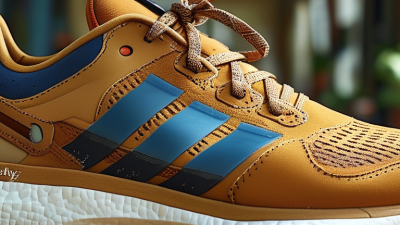
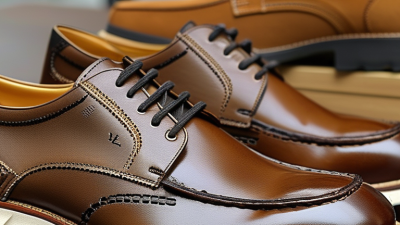
What Are the Most Popular Types of Trainers?

Trainer categories and market context: running, lifestyle, basketball, training, and trail trainers serve different uses. The chart provides industry context rather than a ranking of trainer sales: the 22.4 billion pairs made in 2023 refers to all footwear, not trainers alone.

Global footwear production reached 22.4 billion pairs in 2023, down from 23.9 billion in 2022. Source: World Footwear Yearbook 2024. Trainer categories listed above are functional types, not a sales ranking.

Running Trainers: Cushioning, Stability, and Speed-Focused Designs

Running trainers are usually designed around cushioning, stability, or speed. The right choice depends on your comfort, running habits, and the surfaces you use. A label alone cannot tell you how a shoe will feel.

Cushioned trainers have softer midsoles that can make easy runs feel more comfortable, especially on firm pavement. Too much softness may feel unstable to some runners, so test them with a short jog if possible.

Stability-focused designs often use a wider base or firmer support to guide the foot. They may suit runners who prefer that structured feel, but they are not automatically better for everyone.

Speed-focused trainers are often lighter and more responsive. They can feel nimble during faster workouts, though their firmer ride may be less pleasant on long, relaxed runs.

Fit comes first. I might be tempted by a lively feel, but comfort over several miles matters more than a quick first impression.

Tips: Try trainers later in the day, when feet may be slightly larger. Check for a thumb’s width of space at the toes, and notice any rubbing around the heel. Walk, jog, and turn in them if the shop allows it. If discomfort persists, reconsider the fit rather than assuming you need time to adapt.

Lifestyle Trainers: Everyday Wear and the Global Sportswear Market

Lifestyle trainers sit between athletic function and everyday clothing. People wear them on commutes, during errands, and through long hours on their feet. Comfort matters. A flexible sole, breathable upper, and padded heel can make a noticeable difference on a crowded train or a long city walk. Looks matter too. Neutral colors often work with office-casual outfits, while brighter shapes can make a simple wardrobe feel more expressive.

Their popularity reflects a wider sportswear market in which one pair may serve several parts of daily life. Fit is personal. Foot shape, local climate, walking habits, and price all influence what feels practical. In warmer regions, lighter materials may appeal; in wet cities, grip and easy-care surfaces can matter more. Market demand also shifts with changing tastes, so no single style suits everyone. There is a trade-off: a sleek trainer may feel less supportive after hours of walking. It is easy to focus on appearance and overlook durability. Stitching, sole wear, and how the shoe feels late in the day deserve attention, though shoppers may not always check them. Claims about recycled materials can be useful, but clear product details matter more than vague promises.

What Are the Most Popular Types of Trainers? — Lifestyle Trainers: Everyday Wear and the Global Sportswear Market
Trainer type Typical design features Common everyday use Market context Practical consideration
Classic court-style trainers Low-profile shape, relatively flat rubber outsole, and a simple leather-like or textile upper. Casual outfits, commuting, and general day-to-day wear. A versatile casual category that is commonly sold alongside both sports footwear and fashion footwear. Usually offers less cushioning than a dedicated running or walking shoe; fit and sole comfort vary by model.
Retro running-inspired trainers Sport-derived panels and profiles, often combining mesh or textile with synthetic overlays and a cushioned-looking midsole. Everyday outfits, travel, and casual walking. Connects athletic design heritage with lifestyle fashion; products are generally positioned for casual use unless specified otherwise. A running-inspired appearance does not necessarily mean the shoe is designed for current running training.
Walking-oriented trainers Comfort-focused cushioning, a flexible or supportive sole, and uppers designed to accommodate extended wear. Long walks, errands, sightseeing, and standing for extended periods. Serves consumers seeking comfort-led footwear for regular, low-impact daily activity. Comfort depends on individual fit, walking pattern, and intended surface; try-on and proper sizing matter.
Skate-inspired trainers Often feature a durable upper, reinforced high-wear areas, and a flat rubber outsole. Casual wear and, for suitable models, skateboarding. Reflects the overlap between action-sports footwear and streetwear-influenced lifestyle products. A lifestyle version may not include the durability or construction needed for frequent skateboarding.
Knit and lightweight trainers Breathable knitted or mesh uppers, low overall weight, and flexible construction. Warm-weather wear, travel, and casual daily use. Appeals to shoppers prioritizing lightness and a streamlined, athletic appearance. Breathability, water resistance, cleaning requirements, and support differ substantially between designs.
Cross-training-inspired trainers A stable base and supportive construction intended to handle varied gym movements. Gym sessions and casual wear between activities. Sits between performance footwear and everyday sportswear, depending on the shoe’s construction and marketing. For regular training, choose a model designed for the specific activity rather than relying on appearance alone.
Note: “Lifestyle trainer” is a broad retail and consumer category, not a single technical standard. Product features and suitability vary by design; lifestyle models should not automatically be treated as performance footwear.

Training Trainers: Cross-Training, Gym, and Court-Specific Features

What Are the Most Popular Types of Trainers?

Training Trainers: Cross-Training, Gym, and Court-Specific Features

Cross-training trainers

Cross-training trainers suit workouts that shift from short runs to lunges and side steps. Look for a stable base, secure heel, and enough forefoot flexibility to move naturally. For heavier lifting, a firmer, flatter sole can feel steadier than thick, soft cushioning. Tread patterns matter, too. A grippy sole helps with quick changes of direction, but overly aggressive tread may feel awkward on smooth floors. There is no perfect all-rounder; I’d still check the shoe against the workout I actually do.

Court-specific trainers

Court-specific trainers are built for repeated lateral movement and abrupt stops. Their supportive sides help keep the foot from sliding during a hard cut, while durable outsoles handle frequent court contact. Court choice matters: indoor surfaces and outdoor courts can wear soles differently. The SFIA 2024 Topline Participation Report recorded 13.6 million U.S. pickleball participants in 2023, up 51.8% from 2022. That growth makes court-ready footwear especially relevant, though participation data does not prove one shoe design prevents injury.

Tips

Try trainers late in the day, when feet may be slightly larger. Lace them firmly, then test a side step and a squat. Check for heel slip or toe pressure. A little doubt is useful: comfort in the shop does not guarantee comfort after an hour of movement.

Trail Trainers: Grip, Protection, and Off-Road Performance Needs

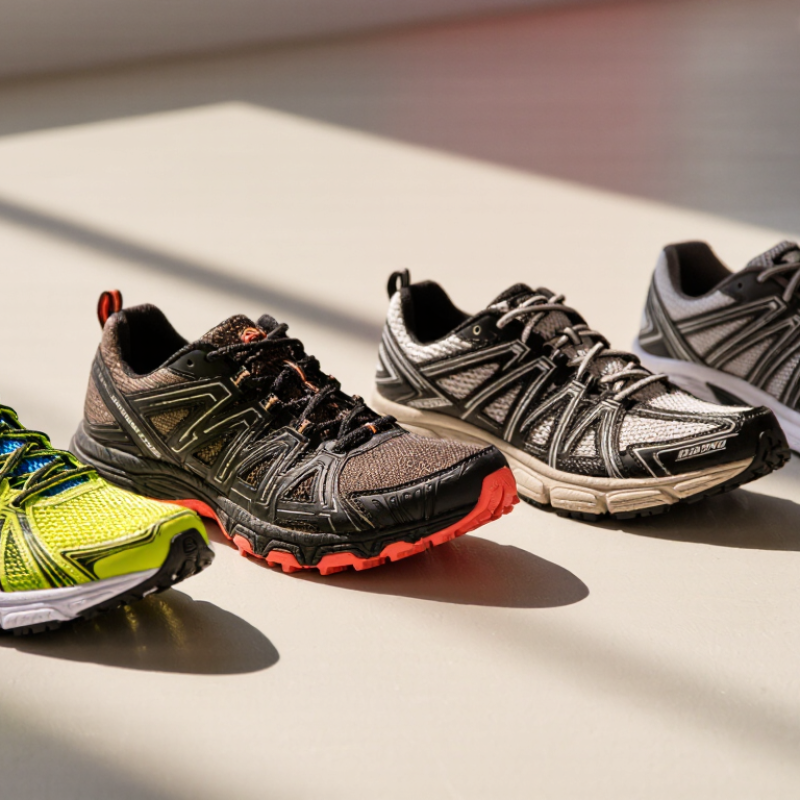
Trail trainers need a different balance from road shoes. Their outsoles use raised lugs to bite into dirt, mud, and loose gravel. On wet roots or smooth rock, however, deep lugs cannot guarantee traction. Rubber compound and lug spacing matter too. Grip matters most. Still, very aggressive tread can feel awkward on pavement and wear faster during road sections.

Protection helps when paths turn rough. A rock plate can soften the sting of sharp stones underfoot, while a reinforced toe area guards against roots and loose debris. These features add structure, but extra stiffness may feel tiring on long runs. There is no perfect setup. The right level depends on the trail, pace, and how much ground feel the runner prefers.

Fit becomes especially important on descents. Feet slide forward, so a secure heel and enough toe room can reduce rubbing and bruised nails. A snug midfoot helps, but overly tight lacing can create pressure. Look for an upper that holds the foot without trapping too much heat; drainage openings may help on wet routes. One easy mistake is choosing the most rugged-looking shoe for every trail. A packed, dry path may call for lighter tread, and that choice can feel less protective than expected.